THE ADVENTURE COLLECTIVE® · Independent discovery and booking for outdoor travel

Cross three high passes in the Khumbu—Kongma La, Cho La and Renjo La—on a 14–15 day high‑altitude trek that links Namche, Gokyo and the Everest Base Camp corridor. Expect long alpine days, teahouse nights and glacier travel.
Cross three high passes in the Khumbu—Kongma La, Cho La and Renjo La—on a 14–15 day high‑altitude trek that links Namche, Gokyo and the Everest Base Camp corridor. Expect long alpine days, teahouse nights and glacier travel.
A crisp Himalayan dawn frames your first step: prayer flags flutter on a ridgeline, yak bells punctuate the cold, and the path climbs toward a sky that feels close enough to touch. The Everest Three Pass Trek threads through villages, glacier moraines and three high saddles—Kongma La (5,535m), Cho La (5,420m) and Renjo La (5,360m)—delivering sustained high‑altitude exposure and sustained mountain views.
Verified experiences and guided adventures in the surrounding area.
Operated by Base Camp Adventure Pvt. Ltd. · Lukla, Province No. 1
A crisp Himalayan dawn frames your first step: prayer flags flutter on a ridgeline, yak bells punctuate the cold, and the path climbs toward a sky that feels close enough to touch. The Everest Three Pass Trek threads through villages, glacier moraines and three high saddles—Kongma La (5,535m), Cho La (5,420m) and Renjo La (5,360m)—delivering sustained high‑altitude exposure and sustained mountain views.
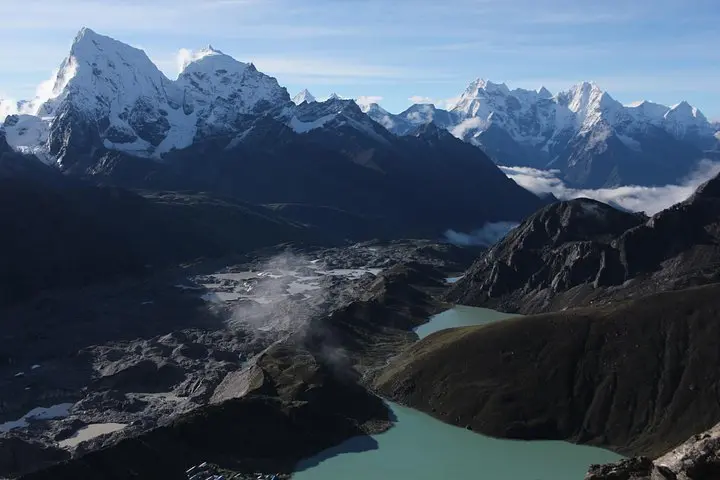
The route follows ancient Sherpa trade corridors and modern trails carved for climbers. Geologically, you move from river‑cut valleys lined with rhododendron into the grey, jagged world of the Mahalangur Himalaya and the sprawling Ngozumpa Glacier. Culturally, the trail runs through Sagarmatha (Everest) National Park: monasteries, stone mani walls and tea houses offer windows into Sherpa life and Tibetan Buddhist practice.
Expect long days—some 6–8 hours—on mixed terrain: packed earth, loose moraine, steep snow ramps and icy cols where crampons may be required. Nights are in teahouses (twin rooms usually), with basic food included; TIMS and Sagarmatha NP permits are compulsory. The itinerary includes a Lukla flight and acclimatization days in Namche and Gokyo to mitigate altitude risk.
Practical edge: plan for robust layering, 4–6 liters of water daily, and extra battery power for cold drains. Build aerobic fitness and practice uphill hiking with a loaded pack. If you're prone to altitude illness, consult a physician and consider a staged acclimatization schedule. When conditions are clear, the reward is uncompromising: Everest and its neighbors loom like living monuments—intense, proximate and unforgettable.
A licensed guide is strongly recommended for routefinding, acclimatization decisions and emergency response; porters are commonly provided to carry luggage.
You need a TIMS card and Sagarmatha National Park permit; domestic Lukla flights are booked separately and require ID and passport details.
Temperatures can drop well below freezing, especially at night and on exposed passes—wind chill can make conditions severe even in shoulder seasons.
Technical climbing isn’t required, but experience with high‑altitude trekking and comfort on snow/ice with crampons is important.
Base Camp Adventure Pvt. Ltd. operates guided outdoor trips and adventures with an emphasis on safety, stewardship, and memorable experiences.
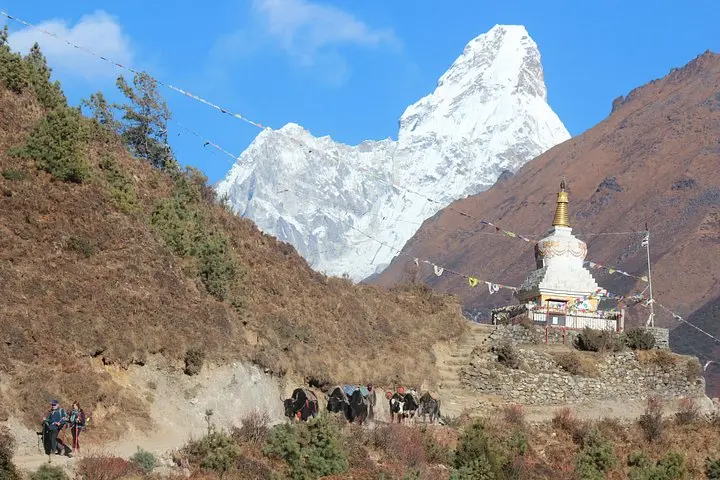
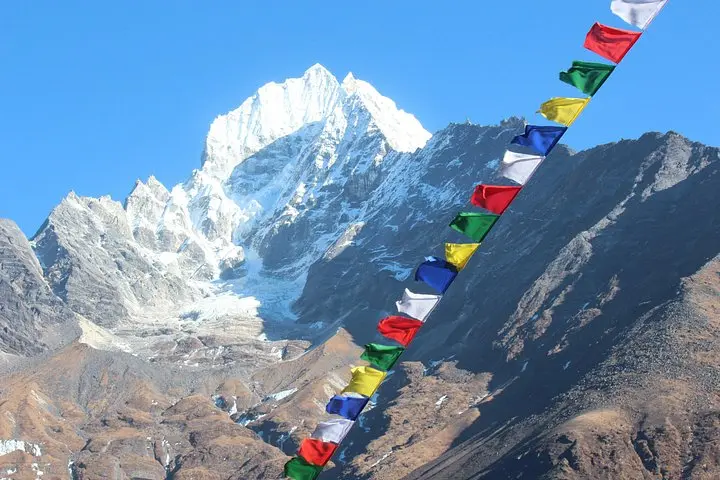
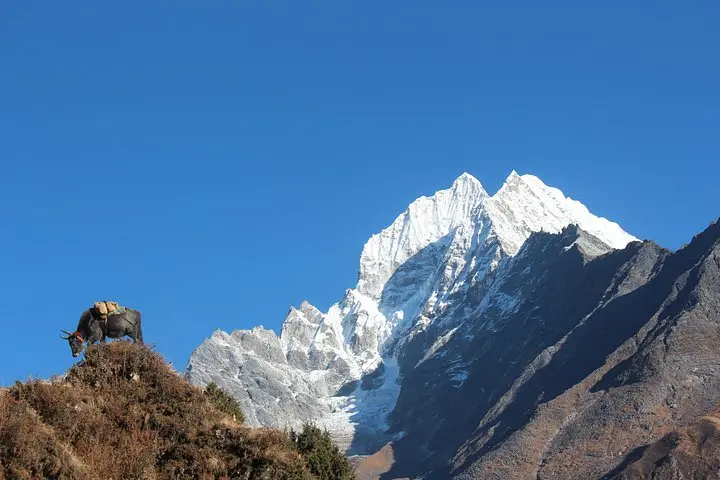
A crisp Himalayan dawn frames your first step: prayer flags flutter on a ridgeline, yak bells punctuate the cold, and the path climbs toward a sky that feels close enough to touch. The Everest Three Pass Trek threads through villages, glacier moraines and three high saddles—Kongma La (5,535m), Cho La (5,420m) and Renjo La (5,360m)—delivering sustained high‑altitude exposure and sustained mountain views.
A crisp Himalayan dawn frames your first step: prayer flags flutter on a ridgeline, yak bells punctuate the cold, and the path climbs toward a sky that feels close enough to touch. The Everest Three Pass Trek threads through villages, glacier moraines and three high saddles—Kongma La (5,535m), Cho La (5,420m) and Renjo La (5,360m)—delivering sustained high‑altitude exposure and sustained mountain views.
The route follows ancient Sherpa trade corridors and modern trails carved for climbers. Geologically, you move from river‑cut valleys lined with rhododendron into the grey, jagged world of the Mahalangur Himalaya and the sprawling Ngozumpa Glacier. Culturally, the trail runs through Sagarmatha (Everest) National Park: monasteries, stone mani walls and tea houses offer windows into Sherpa life and Tibetan Buddhist practice.
Expect long days—some 6–8 hours—on mixed terrain: packed earth, loose moraine, steep snow ramps and icy cols where crampons may be required. Nights are in teahouses (twin rooms usually), with basic food included; TIMS and Sagarmatha NP permits are compulsory. The itinerary includes a Lukla flight and acclimatization days in Namche and Gokyo to mitigate altitude risk.
Practical edge: plan for robust layering, 4–6 liters of water daily, and extra battery power for cold drains. Build aerobic fitness and practice uphill hiking with a loaded pack. If you're prone to altitude illness, consult a physician and consider a staged acclimatization schedule. When conditions are clear, the reward is uncompromising: Everest and its neighbors loom like living monuments—intense, proximate and unforgettable.