THE ADVENTURE COLLECTIVE® · Independent discovery and booking for outdoor travel

An 18‑day high‑altitude circuit that crosses Kongma La, Cho La and Renjo La, offering raw glacier views, Sherpa culture and remote valleys. Ideal for seasoned trekkers who can manage long days, steep passes and cold nights.
An 18‑day high‑altitude circuit that crosses Kongma La, Cho La and Renjo La, offering raw glacier views, Sherpa culture and remote valleys. Ideal for seasoned trekkers who can manage long days, steep passes and cold nights.
You step from the thin air into a corridor of rock and wind: prayer flags snap like bright punctuation against the sky, and glacial ridges push the horizon into teeth. The Everest Three Pass Trek threads three high saddles—Kongma La, Cho La and Renjo La—across the Khumbu and Gokyo valleys, stitching villages, mani walls and moraine into an 18‑day route for experienced trekkers.
Verified experiences and guided adventures in the surrounding area.
Operated by Bold Himalaya Treks and Travels Pvt Ltd · Lukla, Solukhumbu
You step from the thin air into a corridor of rock and wind: prayer flags snap like bright punctuation against the sky, and glacial ridges push the horizon into teeth. The Everest Three Pass Trek threads three high saddles—Kongma La, Cho La and Renjo La—across the Khumbu and Gokyo valleys, stitching villages, mani walls and moraine into an 18‑day route for experienced trekkers.
This terrain sits inside Sagarmatha National Park, a UNESCO reserve carved by tectonic uplift and scoured by ice. The passes sit above 5,300–5,500 m, where moraine and seracs mark past glacial advance and Everest’s greater geology is readable as layered thrusts and hanging glaciers. Sherpa culture defines the valleys: stone lodges, high monasteries like Tengboche and Thame, and centuries of trade routes that became modern trails.
Expect long days of rocky ascents, short glacier steps and steep descents into high villages. The environment is uncompromising—wind that gathers force and rivers that seem to dare you forward—so acclimatization days, layered clothing and conservative pacing are non‑negotiable. Guides and tea‑house logistics make remote travel possible; porters can shoulder loads when requested. Permits (Sagarmatha NP, TIMS) and seasonal timing—pre‑monsoon and post‑monsoon windows—shape the itinerary.
Practical note: train legs and core endurance beforehand, bring a sleeping bag rated for sub‑zero nights, carry a reliable water filter and use trekking poles. Start early on pass days to avoid afternoon weather, and plan for contingency evacuation options. This is high‑altitude travel: rewarding, raw and demanding—bring experience, patience and respect for the mountains.
Yes—Sagarmatha National Park entry and TIMS (Trekkers’ Information Management System) cards are required and typically arranged by your operator.
The passes are high and exposed with loose moraine and occasional snow/ice; hazards include altitude, weather and crevassed glaciers—experienced guides and cautious pacing mitigate risk.
Autumn (Sept–Nov) and spring (Mar–May) offer the best weather windows and visibility; monsoon summer and winter bring higher risk of bad conditions.
Not recommended—this itinerary requires prior multi‑day trekking experience and good acclimatization discipline; novices should build experience on lower high‑altitude routes first.
Bold Himalaya Treks and Travels Pvt Ltd operates guided outdoor trips and adventures with an emphasis on safety, stewardship, and memorable experiences.
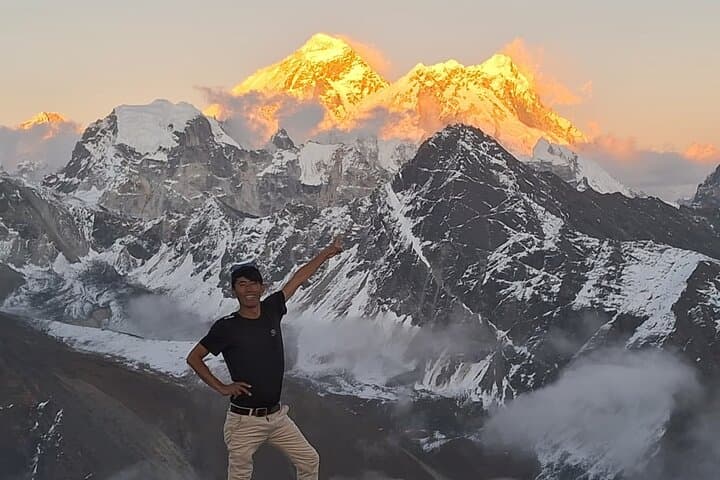


You step from the thin air into a corridor of rock and wind: prayer flags snap like bright punctuation against the sky, and glacial ridges push the horizon into teeth. The Everest Three Pass Trek threads three high saddles—Kongma La, Cho La and Renjo La—across the Khumbu and Gokyo valleys, stitching villages, mani walls and moraine into an 18‑day route for experienced trekkers.
You step from the thin air into a corridor of rock and wind: prayer flags snap like bright punctuation against the sky, and glacial ridges push the horizon into teeth. The Everest Three Pass Trek threads three high saddles—Kongma La, Cho La and Renjo La—across the Khumbu and Gokyo valleys, stitching villages, mani walls and moraine into an 18‑day route for experienced trekkers.
This terrain sits inside Sagarmatha National Park, a UNESCO reserve carved by tectonic uplift and scoured by ice. The passes sit above 5,300–5,500 m, where moraine and seracs mark past glacial advance and Everest’s greater geology is readable as layered thrusts and hanging glaciers. Sherpa culture defines the valleys: stone lodges, high monasteries like Tengboche and Thame, and centuries of trade routes that became modern trails.
Expect long days of rocky ascents, short glacier steps and steep descents into high villages. The environment is uncompromising—wind that gathers force and rivers that seem to dare you forward—so acclimatization days, layered clothing and conservative pacing are non‑negotiable. Guides and tea‑house logistics make remote travel possible; porters can shoulder loads when requested. Permits (Sagarmatha NP, TIMS) and seasonal timing—pre‑monsoon and post‑monsoon windows—shape the itinerary.
Practical note: train legs and core endurance beforehand, bring a sleeping bag rated for sub‑zero nights, carry a reliable water filter and use trekking poles. Start early on pass days to avoid afternoon weather, and plan for contingency evacuation options. This is high‑altitude travel: rewarding, raw and demanding—bring experience, patience and respect for the mountains.