THE ADVENTURE COLLECTIVE® · Independent discovery and booking for outdoor travel

Cross three high Himalayan passes on a 16-day traverse that links the Gokyo Lakes, Everest Base Camp viewpoints and remote Sherpa villages. This demanding trek combines high-altitude panoramas with rich cultural stops—best for experienced trekkers who plan carefully for acclimatization.
Cross three high Himalayan passes on a 16-day traverse that links the Gokyo Lakes, Everest Base Camp viewpoints and remote Sherpa villages. This demanding trek combines high-altitude panoramas with rich cultural stops—best for experienced trekkers who plan carefully for acclimatization.
The day opens with cold, thin air and a stitched ribbon of trail climbing into a world of stone, prayer flags and serrated peaks. You wake in teahouses where yak bells set the morning tempo, then push toward passes that force the horizon to rearrange itself: Renjo La, Cho La and Kongma La each demand attention and steady feet.
Verified experiences and guided adventures in the surrounding area.
Operated by Trek Mania Nepal · Kathmandu, Bagmati Province
The day opens with cold, thin air and a stitched ribbon of trail climbing into a world of stone, prayer flags and serrated peaks. You wake in teahouses where yak bells set the morning tempo, then push toward passes that force the horizon to rearrange itself: Renjo La, Cho La and Kongma La each demand attention and steady feet.
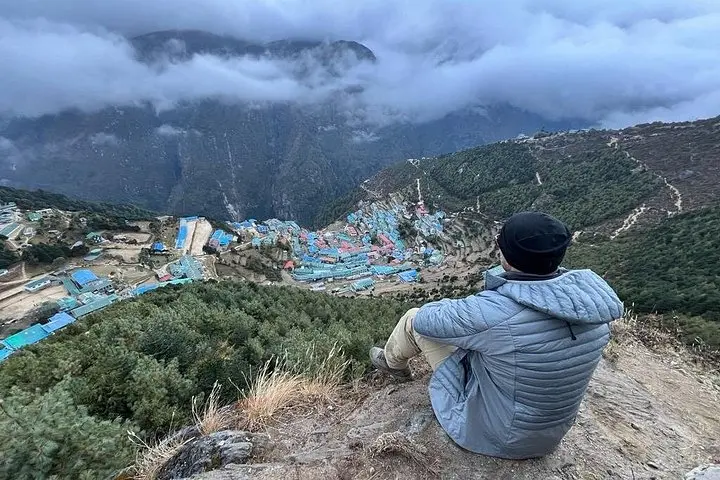
This route threads through Sagarmatha National Park, a geological gallery of glaciated valleys carved by ice and uplifted by the collision of the Indian and Eurasian plates. Sherpa villages—Khumjung, Namche and Tengboche—hold a living mountaineering history; monasteries, Hillary Hospital and local tales of early expeditions anchor the culture you pass through.
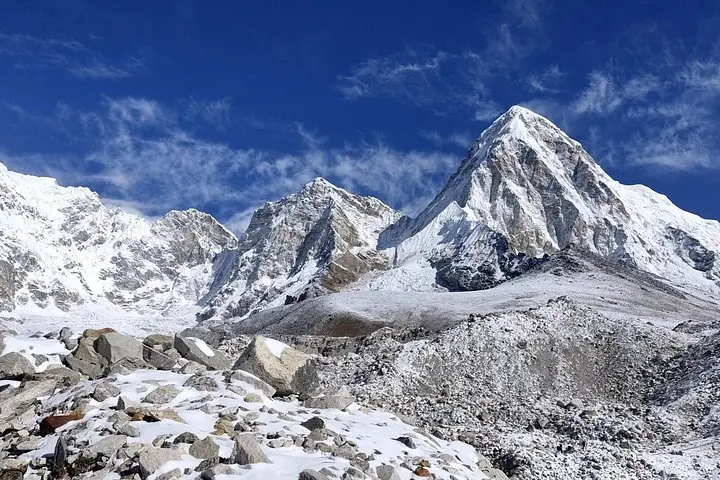
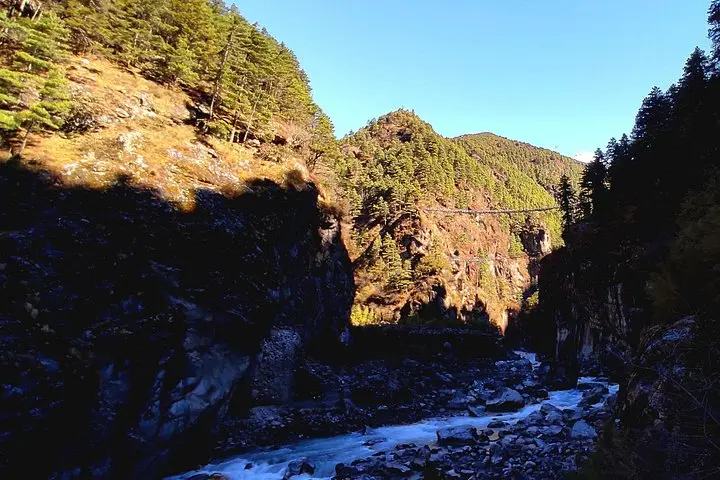
Expect glacier tongues, moraine fields and high alpine bowls. Rivers dare you with their thunder below suspension bridges; stone paths and carved steps test joints and resolve. Gokyo’s turquoise lakes sit like cooled breath against the Ngozumpa Glacier; Kala Patthar and Gokyo Ri repay early starts with Everest in full silhouette.
Practical guidance: acclimatize—plan rest days and short hikes to higher vantage points. Pack warm layers for night teahouses and windproof shells for exposed passes. Footwear should have solid ankle support and grip for icy scree; bring crampons if traveling outside peak seasons or when guides advise. Hydrate, eat consistently and move deliberately on steep, exposed descents. Weather shifts fast; keep a lightweight emergency bivy and know evacuation procedures. With careful pacing and respect for altitude, the Three Passes is an expert-level trek that rewards with some of the finest panoramic Himalayan views on the planet.
Yes—Sagarmatha National Park permits and TIMS (Trekkers' Information Management System) documents are required and usually handled by your operator.
High risk—passes exceed 5,400 m; strict acclimatization, symptom awareness and a prepared evacuation plan are mandatory.
No technical rock or ice climbing is usually required, but some sections are glaciated and require crampons and basic alpine skills.
Late spring (March–May) and autumn (Sept–Nov) offer the most reliable weather and visibility.
Trek Mania Nepal operates guided outdoor trips and adventures with an emphasis on safety, stewardship, and memorable experiences.
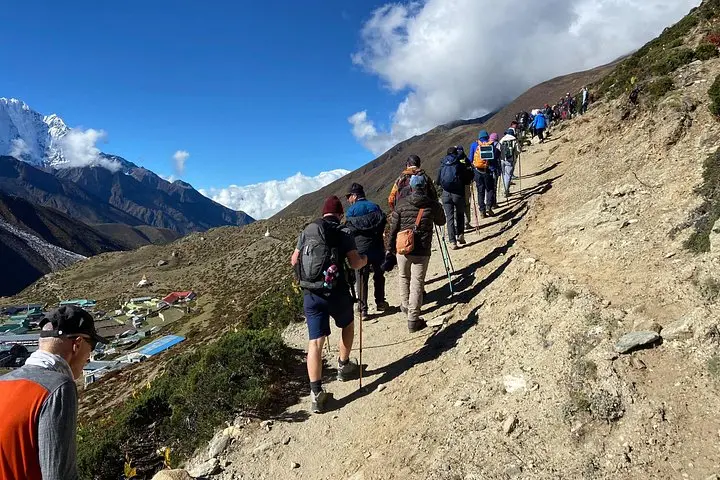
The day opens with cold, thin air and a stitched ribbon of trail climbing into a world of stone, prayer flags and serrated peaks. You wake in teahouses where yak bells set the morning tempo, then push toward passes that force the horizon to rearrange itself: Renjo La, Cho La and Kongma La each demand attention and steady feet.
The day opens with cold, thin air and a stitched ribbon of trail climbing into a world of stone, prayer flags and serrated peaks. You wake in teahouses where yak bells set the morning tempo, then push toward passes that force the horizon to rearrange itself: Renjo La, Cho La and Kongma La each demand attention and steady feet.
This route threads through Sagarmatha National Park, a geological gallery of glaciated valleys carved by ice and uplifted by the collision of the Indian and Eurasian plates. Sherpa villages—Khumjung, Namche and Tengboche—hold a living mountaineering history; monasteries, Hillary Hospital and local tales of early expeditions anchor the culture you pass through.
Expect glacier tongues, moraine fields and high alpine bowls. Rivers dare you with their thunder below suspension bridges; stone paths and carved steps test joints and resolve. Gokyo’s turquoise lakes sit like cooled breath against the Ngozumpa Glacier; Kala Patthar and Gokyo Ri repay early starts with Everest in full silhouette.
Practical guidance: acclimatize—plan rest days and short hikes to higher vantage points. Pack warm layers for night teahouses and windproof shells for exposed passes. Footwear should have solid ankle support and grip for icy scree; bring crampons if traveling outside peak seasons or when guides advise. Hydrate, eat consistently and move deliberately on steep, exposed descents. Weather shifts fast; keep a lightweight emergency bivy and know evacuation procedures. With careful pacing and respect for altitude, the Three Passes is an expert-level trek that rewards with some of the finest panoramic Himalayan views on the planet.