THE ADVENTURE COLLECTIVE® · Independent discovery and booking for outdoor travel

A compact, high-altitude trek that delivers panoramic Everest views and Sherpa culture in seven days. Short flights, lodge stays and a guided pace make it suitable for travelers on limited time who want a genuine Khumbu experience.
A compact, high-altitude trek that delivers panoramic Everest views and Sherpa culture in seven days. Short flights, lodge stays and a guided pace make it suitable for travelers on limited time who want a genuine Khumbu experience.
The trail opens with the thin hiss of a mountain plane and a first glimpse of granite teeth above the clouds. On arrival at Lukla, trekkers trade propellers for stone steps, following the Dudh Koshi’s confident rush as it dares you north into the Khumbu Valley.
Verified experiences and guided adventures in the surrounding area.
Operated by Himalayan Adventure Treks and Tours Pvt Ltd · Namche Bazaar, Solukhumbu
The trail opens with the thin hiss of a mountain plane and a first glimpse of granite teeth above the clouds. On arrival at Lukla, trekkers trade propellers for stone steps, following the Dudh Koshi’s confident rush as it dares you north into the Khumbu Valley.
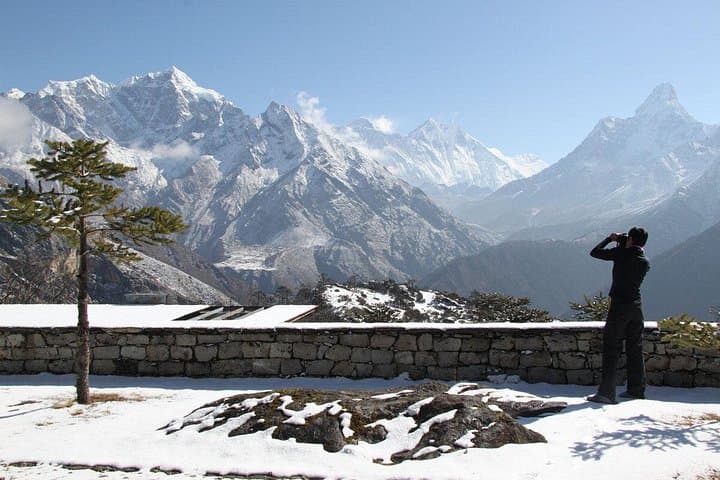
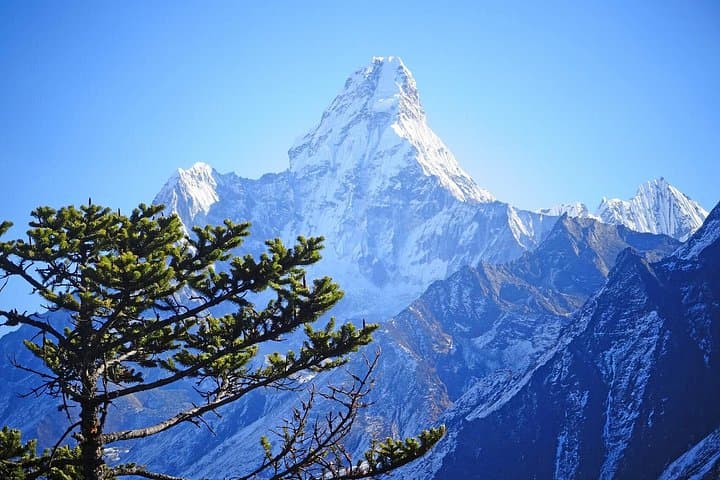
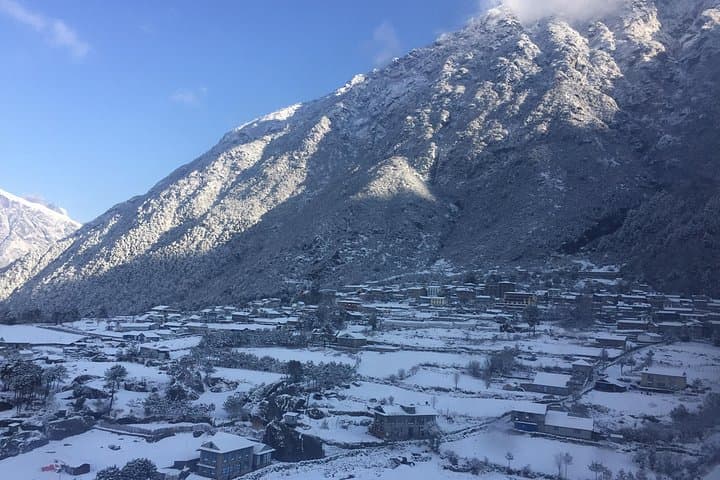
This seven-day loop moves quickly but deliberately: a short flight to Lukla, a steady descent to Phakding, then a long climb to Namche Bazaar where the air thins and views sharpen. The route crosses suspension bridges, threaded trails and rocky switchbacks before the acclimatization hike to Khumjung and the Hotel Everest View (≈3,850 m), which provides a rare 360° panorama of Everest and neighboring giants.
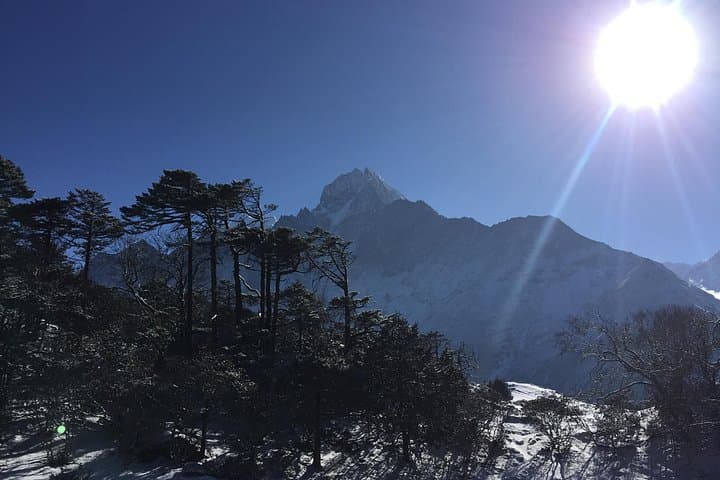
Geologically the region is young—uplifted Himalayan crust folded against sky—while culturally it is Sherpa country, shaped by centuries of Tibetan influence and modern mountaineering history; Sagarmatha National Park (a UNESCO site) protects this fragile mix.
Expect trails that are well-trodden but steep in places; total daily walking ranges from 3–7 hours with elevation gains of 200–1,000 m on key days. Lodges provide simple, warm shelter and hot meals; TIMS and park permits are required and usually handled by operators.
Practical notes: prioritize gradual pacing on ascent days, hydrate frequently, and carry cash for tea-house purchases. Morning flights to and from Lukla are weather-dependent—build flexibility into your schedule. With straightforward terrain but high-altitude exposure, this trek is an efficient way to stand close to Everest without committing to a full circuit.
The itinerary includes rapid elevation change up to ~3,850 m; acute mountain sickness is possible—follow the acclimatization day, ascend slowly, hydrate and inform your guide of symptoms.
No—Lukla flights are weather-dependent. Operators plan morning flights but build extra days into itineraries for potential delays.
Tea-house lodges provide basic private rooms or bunks, hot meals (rice, dal, noodle soups) and heated dining areas—expect simple comforts rather than luxury.
Yes—TIMS and Sagarmatha National Park permits are required and typically arranged by the operator before departure.
Himalayan Adventure Treks and Tours Pvt Ltd operates guided outdoor trips and adventures with an emphasis on safety, stewardship, and memorable experiences.
The trail opens with the thin hiss of a mountain plane and a first glimpse of granite teeth above the clouds. On arrival at Lukla, trekkers trade propellers for stone steps, following the Dudh Koshi’s confident rush as it dares you north into the Khumbu Valley.
The trail opens with the thin hiss of a mountain plane and a first glimpse of granite teeth above the clouds. On arrival at Lukla, trekkers trade propellers for stone steps, following the Dudh Koshi’s confident rush as it dares you north into the Khumbu Valley.
This seven-day loop moves quickly but deliberately: a short flight to Lukla, a steady descent to Phakding, then a long climb to Namche Bazaar where the air thins and views sharpen. The route crosses suspension bridges, threaded trails and rocky switchbacks before the acclimatization hike to Khumjung and the Hotel Everest View (≈3,850 m), which provides a rare 360° panorama of Everest and neighboring giants.
Geologically the region is young—uplifted Himalayan crust folded against sky—while culturally it is Sherpa country, shaped by centuries of Tibetan influence and modern mountaineering history; Sagarmatha National Park (a UNESCO site) protects this fragile mix.
Expect trails that are well-trodden but steep in places; total daily walking ranges from 3–7 hours with elevation gains of 200–1,000 m on key days. Lodges provide simple, warm shelter and hot meals; TIMS and park permits are required and usually handled by operators.
Practical notes: prioritize gradual pacing on ascent days, hydrate frequently, and carry cash for tea-house purchases. Morning flights to and from Lukla are weather-dependent—build flexibility into your schedule. With straightforward terrain but high-altitude exposure, this trek is an efficient way to stand close to Everest without committing to a full circuit.