THE ADVENTURE COLLECTIVE® · Independent discovery and booking for outdoor travel

Spend a private day moving from New Orleans’ historic streets to the living history of Evergreen Plantation. This six‑hour VIP tour pairs exclusive plantation access with a narrated drive through the city and River Road.
Spend a private day moving from New Orleans’ historic streets to the living history of Evergreen Plantation. This six‑hour VIP tour pairs exclusive plantation access with a narrated drive through the city and River Road.
You roll away from the French Quarter before the city has finished its coffee run: iron balconies blur into live oaks, streetcars clack like a heartbeat, and the Mississippi sits flat and patient to your right. The luxury vehicle hums south, guided by a private driver who knows which oak alleys hide the best angles and which neighborhoods still hold the quiet patience of old New Orleans. Hours later you step from the car onto red clay and sun-washed brick at Evergreen Plantation; the air here feels older, thicker—like history breathing.
Verified experiences and guided adventures in the surrounding area.
Operated by Michaelas Private New Orleans Tours · New Orleans, Louisiana
You roll away from the French Quarter before the city has finished its coffee run: iron balconies blur into live oaks, streetcars clack like a heartbeat, and the Mississippi sits flat and patient to your right. The luxury vehicle hums south, guided by a private driver who knows which oak alleys hide the best angles and which neighborhoods still hold the quiet patience of old New Orleans. Hours later you step from the car onto red clay and sun-washed brick at Evergreen Plantation; the air here feels older, thicker—like history breathing.
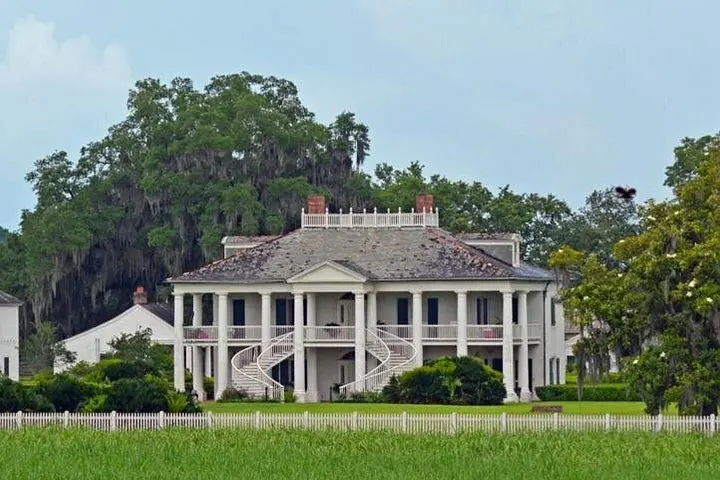
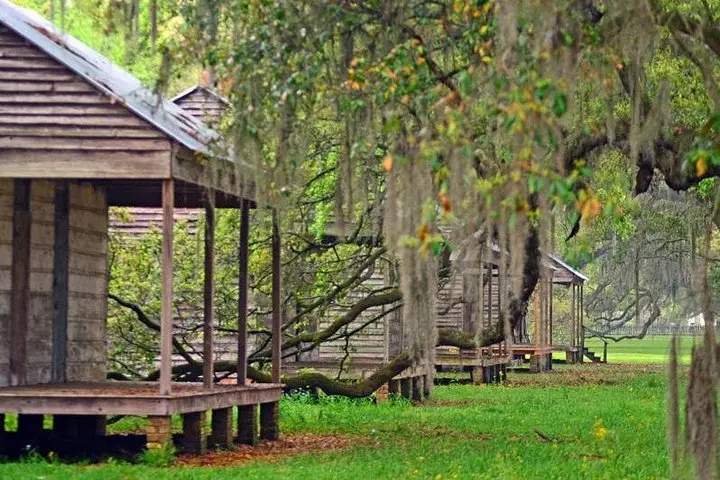
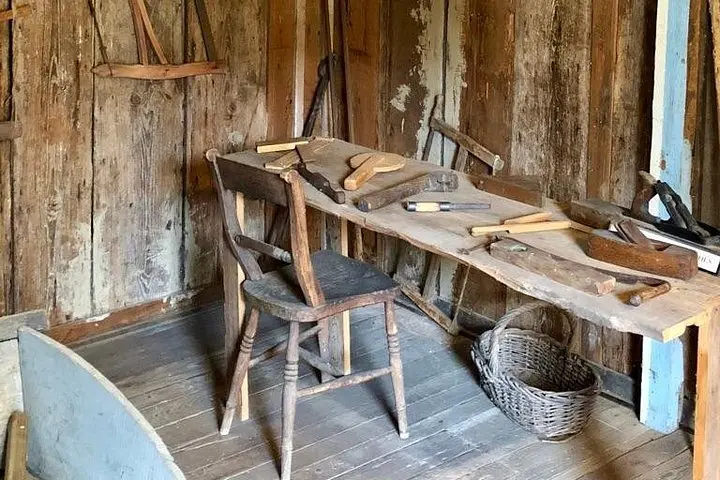
Evergreen is not a restored set-piece but a working sugar plantation and a rare survivor: thirty-seven historic buildings, a French parterre, and twenty-two original slave cabins arranged in a double row. The site lays out the region’s complicated geography of power—French and Creole architectural flourishes alongside the stark reality of a landscape shaped by enslaved labor. On the drive back, the guide will thread together the city’s cosmopolitan creole past and the river road’s agricultural present, offering context on New Orleans’ layered immigrant influences, the boom-and-bust cycles of sugar, and how the levee-altered Mississippi shaped settlement patterns.
Geologically, the route traces Louisiana’s slow drift: marsh to swamp to the higher ribbons of River Road where plantations clung to slightly firmer ground. Culturally, the tour collapses distance—you’ll see St. Charles mansions and Magazine Street storefronts, the swamp’s cypress knees poking like punctuation, and then Evergreen’s ordered rows of buildings that read like a ledger of lives.
Practical guidance: this is a six-hour private tour with door-to-door pickup in New Orleans hotels. Expect about 60–90 minutes of walking spread across the plantation grounds; surfaces include paved paths, packed earth, and uneven historic thresholds. Dress for sun and bugs—wide-brim hat, sturdy walking shoes, and a light rain shell during summer storms. Bring water (the guide carries extras) and be prepared for candid conversations about slavery and plantation life; guides often balance celebration of architecture with sober interpretation of the site’s human history.
Accessibility is better than many plantations—transportation and some pathways are wheelchair accessible—but several historic structures have steps and rough floors. Photography is excellent at the parterre and along the row of cabins; morning light and late-afternoon shadows give the white columns a slow, cinematic relief. Book early for private access; Evergreen limits group sizes to protect the site and the people who still live and work there.
For travelers who want context as they move—the private guide is the value here: a local narrative voice that stitches together neighborhoods, levees, and plantations into a single day that feels both reflective and vividly present.
The private tour lasts about six hours and includes VIP transportation, private licensed guide services, and plantation entrance fees.
Pickup is available at all New Orleans area hotels; provide your exact pickup location in the Special Requirements field when booking.
Transportation and some pathways are wheelchair accessible, but several historic buildings have steps and uneven floors—contact the operator to confirm specific accessibility needs.
Yes—strollers are allowed and the tour is family-friendly, though some portions involve walking and emotionally sensitive historical interpretation.
Dress in layers, wear closed-toe shoes, bring sun protection and insect repellent—light, breathable fabrics work best in summer heat.
For a full refund cancel at least 24 hours before the scheduled departure time; cancellations within 24 hours are non‑refundable.
Michaelas Private New Orleans Tours operates guided outdoor trips and adventures with an emphasis on safety, stewardship, and memorable experiences.
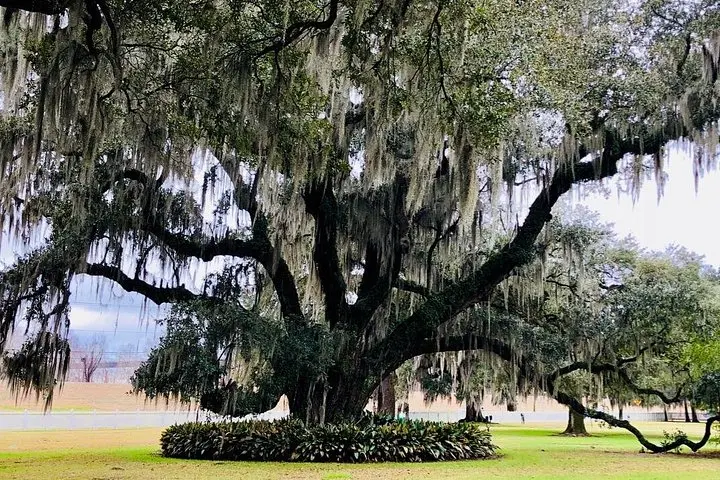
You roll away from the French Quarter before the city has finished its coffee run: iron balconies blur into live oaks, streetcars clack like a heartbeat, and the Mississippi sits flat and patient to your right. The luxury vehicle hums south, guided by a private driver who knows which oak alleys hide the best angles and which neighborhoods still hold the quiet patience of old New Orleans. Hours later you step from the car onto red clay and sun-washed brick at Evergreen Plantation; the air here feels older, thicker—like history breathing.
You roll away from the French Quarter before the city has finished its coffee run: iron balconies blur into live oaks, streetcars clack like a heartbeat, and the Mississippi sits flat and patient to your right. The luxury vehicle hums south, guided by a private driver who knows which oak alleys hide the best angles and which neighborhoods still hold the quiet patience of old New Orleans. Hours later you step from the car onto red clay and sun-washed brick at Evergreen Plantation; the air here feels older, thicker—like history breathing.
Evergreen is not a restored set-piece but a working sugar plantation and a rare survivor: thirty-seven historic buildings, a French parterre, and twenty-two original slave cabins arranged in a double row. The site lays out the region’s complicated geography of power—French and Creole architectural flourishes alongside the stark reality of a landscape shaped by enslaved labor. On the drive back, the guide will thread together the city’s cosmopolitan creole past and the river road’s agricultural present, offering context on New Orleans’ layered immigrant influences, the boom-and-bust cycles of sugar, and how the levee-altered Mississippi shaped settlement patterns.
Geologically, the route traces Louisiana’s slow drift: marsh to swamp to the higher ribbons of River Road where plantations clung to slightly firmer ground. Culturally, the tour collapses distance—you’ll see St. Charles mansions and Magazine Street storefronts, the swamp’s cypress knees poking like punctuation, and then Evergreen’s ordered rows of buildings that read like a ledger of lives.
Practical guidance: this is a six-hour private tour with door-to-door pickup in New Orleans hotels. Expect about 60–90 minutes of walking spread across the plantation grounds; surfaces include paved paths, packed earth, and uneven historic thresholds. Dress for sun and bugs—wide-brim hat, sturdy walking shoes, and a light rain shell during summer storms. Bring water (the guide carries extras) and be prepared for candid conversations about slavery and plantation life; guides often balance celebration of architecture with sober interpretation of the site’s human history.
Accessibility is better than many plantations—transportation and some pathways are wheelchair accessible—but several historic structures have steps and rough floors. Photography is excellent at the parterre and along the row of cabins; morning light and late-afternoon shadows give the white columns a slow, cinematic relief. Book early for private access; Evergreen limits group sizes to protect the site and the people who still live and work there.
For travelers who want context as they move—the private guide is the value here: a local narrative voice that stitches together neighborhoods, levees, and plantations into a single day that feels both reflective and vividly present.