THE ADVENTURE COLLECTIVE® · Independent discovery and booking for outdoor travel

Spend a day on a rural Antioquia coffee farm learning to harvest, process and cup coffee like a local. This five-hour experience mixes hands-on practice with cultural context and a village stop in Sabaneta.
Spend a day on a rural Antioquia coffee farm learning to harvest, process and cup coffee like a local. This five-hour experience mixes hands-on practice with cultural context and a village stop in Sabaneta.
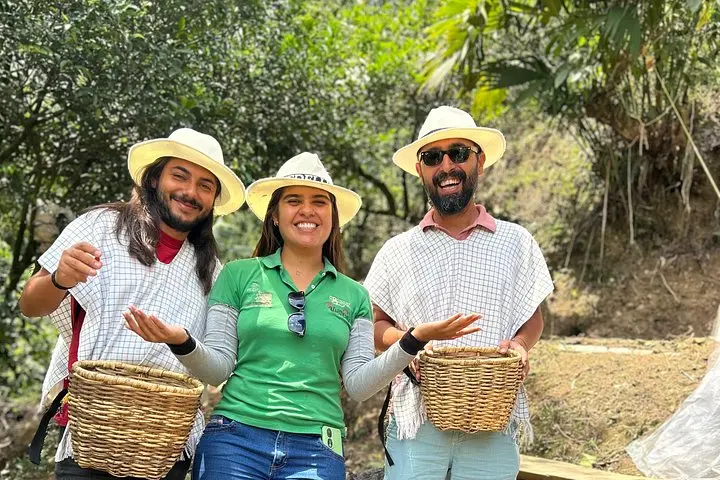
You arrive on a narrow dirt lane and the air changes — warm, slightly sweet, with the sharp green scent of freshly picked coffee leaves. The house is a working campesina finca: corrugated roof, a drying patio catching sun, and workers moving between shaded coffee trees. For five hours you’ll move from plant to cup, hands stained by berries one moment and holding a steaming taster spoon the next.
Verified experiences and guided adventures in the surrounding area.
Operated by Xplore Colombia · Medellín, Antioquia
You arrive on a narrow dirt lane and the air changes — warm, slightly sweet, with the sharp green scent of freshly picked coffee leaves. The house is a working campesina finca: corrugated roof, a drying patio catching sun, and workers moving between shaded coffee trees. For five hours you’ll move from plant to cup, hands stained by berries one moment and holding a steaming taster spoon the next.
Antioquia’s coffee tradition grew from 19th-century smallholdings and a rugged geography that rewards steep, well-drained slopes. The region’s volcanic soils and microclimates give beans distinct acidity and floral notes; local growers learned to read clouds and soil the way others read maps. The tour threads that history into practice — seed selection, harvesting technique, pulping and drying — with cultural context from campesino hosts who share family stories and photos.
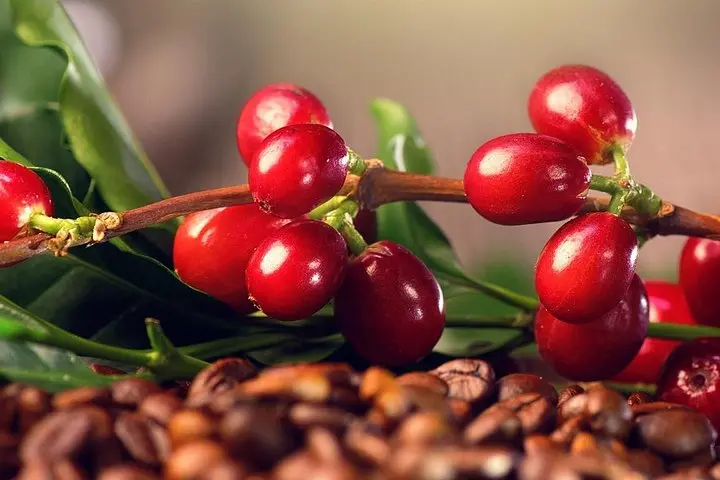
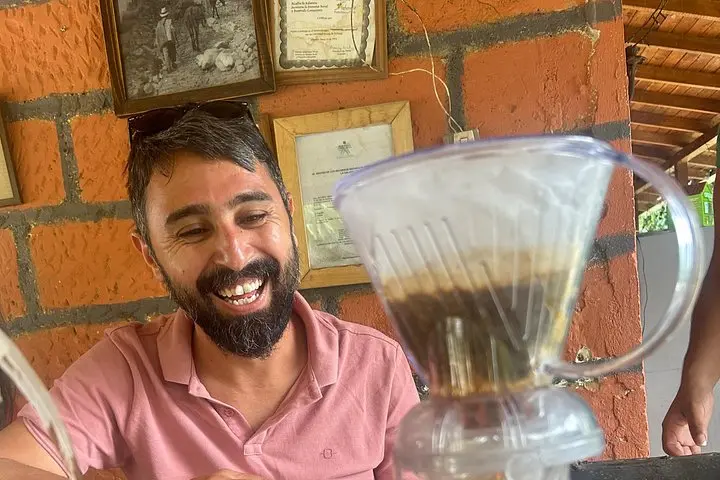
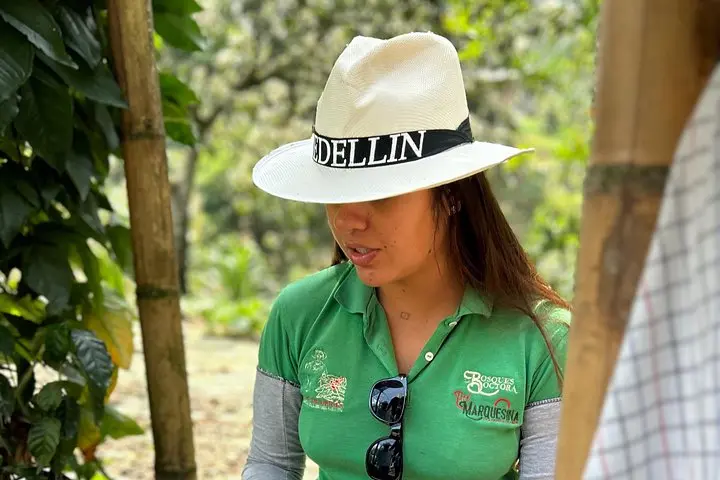
Expect practical instruction: how to pick ripe cherries, why shade trees cool the crop, and a guided cupping that trains you to note aroma, body and finish. The rhythm is deliberate — a short village stop in Sabaneta, a drive through patchwork farmland, then hands-on time at the farm. Photography and casual farm chores are part of the day, and guides speak Spanish and English.
Plan for sun, uneven ground and sensory overload: bring sturdy shoes, a refillable water bottle, and a light jacket for sudden mountain breezes. The tour is accessible for most fitness levels and suitable for families; it’s intimate rather than crowded. Leave with practical skills to brew better coffee at home and a clearer sense of the work that shapes every cup.
Yes — an air-conditioned vehicle transfer is included from the agreed pickup point in Medellín as part of the tour.
Guides provide commentary in Spanish and English; special language needs should be confirmed when booking.
Yes — the tour is family-friendly and stroller accessible, though infants must sit on laps during vehicle transport.
The operator notes wheelchair accessibility for parts of the experience, but some outdoor surfaces and steps may limit access to every area — check specifics when booking.
Xplore Colombia operates guided outdoor trips and adventures with an emphasis on safety, stewardship, and memorable experiences.
You arrive on a narrow dirt lane and the air changes — warm, slightly sweet, with the sharp green scent of freshly picked coffee leaves. The house is a working campesina finca: corrugated roof, a drying patio catching sun, and workers moving between shaded coffee trees. For five hours you’ll move from plant to cup, hands stained by berries one moment and holding a steaming taster spoon the next.
You arrive on a narrow dirt lane and the air changes — warm, slightly sweet, with the sharp green scent of freshly picked coffee leaves. The house is a working campesina finca: corrugated roof, a drying patio catching sun, and workers moving between shaded coffee trees. For five hours you’ll move from plant to cup, hands stained by berries one moment and holding a steaming taster spoon the next.
Antioquia’s coffee tradition grew from 19th-century smallholdings and a rugged geography that rewards steep, well-drained slopes. The region’s volcanic soils and microclimates give beans distinct acidity and floral notes; local growers learned to read clouds and soil the way others read maps. The tour threads that history into practice — seed selection, harvesting technique, pulping and drying — with cultural context from campesino hosts who share family stories and photos.
Expect practical instruction: how to pick ripe cherries, why shade trees cool the crop, and a guided cupping that trains you to note aroma, body and finish. The rhythm is deliberate — a short village stop in Sabaneta, a drive through patchwork farmland, then hands-on time at the farm. Photography and casual farm chores are part of the day, and guides speak Spanish and English.
Plan for sun, uneven ground and sensory overload: bring sturdy shoes, a refillable water bottle, and a light jacket for sudden mountain breezes. The tour is accessible for most fitness levels and suitable for families; it’s intimate rather than crowded. Leave with practical skills to brew better coffee at home and a clearer sense of the work that shapes every cup.