THE ADVENTURE COLLECTIVE® · Independent discovery and booking for outdoor travel

An exclusive, permit-led visit to the Osireion at Abydos paired with Seti I’s mortuary temple. Spend two private hours inside one of Egypt’s most mysterious structures and return to Luxor after a full-day cultural excursion.
An exclusive, permit-led visit to the Osireion at Abydos paired with Seti I’s mortuary temple. Spend two private hours inside one of Egypt’s most mysterious structures and return to Luxor after a full-day cultural excursion.
You arrive before the heat gathers, the road from Luxor shrinking to a ribbon of cultivated fields and then to open desert as the profile of Seti I’s mortuary temple rises out of the plain.
Verified experiences and guided adventures in the surrounding area.
Operated by Egypt & Africa Travel · Abydos, Sohag Governorate
You arrive before the heat gathers, the road from Luxor shrinking to a ribbon of cultivated fields and then to open desert as the profile of Seti I’s mortuary temple rises out of the plain.
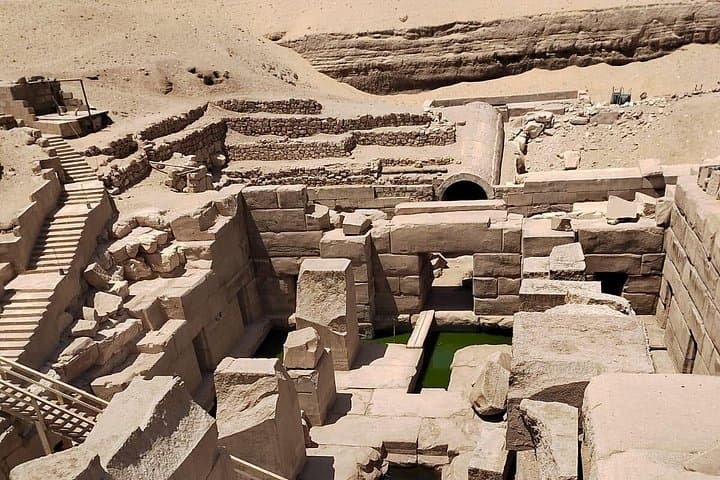
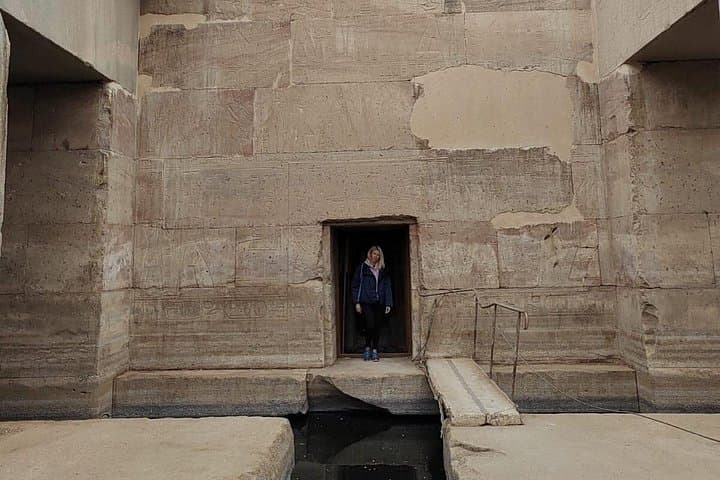
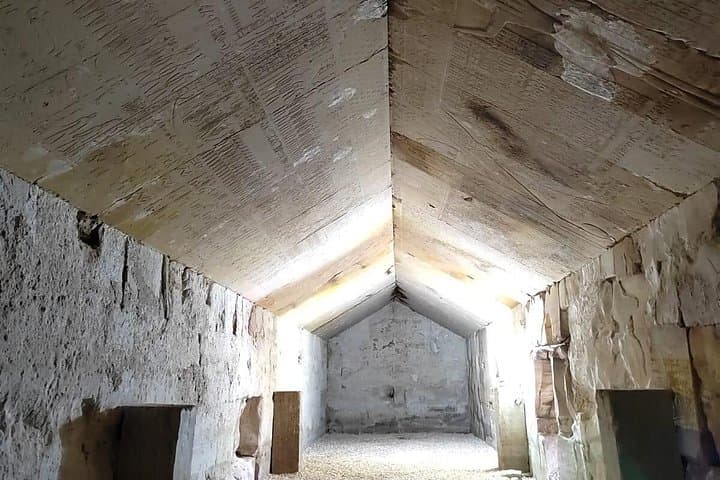
The day centers on two connected sites: the painted, columned approaches of Seti I and the low, enigmatic Osireion behind it — a chamber unlike other Egyptian mortuary complexes. Built in the New Kingdom and finished by Ramses II, the complex was a pilgrimage focus for the cult of Osiris; hieroglyphs and reliefs still speak of funerary rites and the promise of the afterlife. The Osireion itself is built as a broad, megalithic hall with a sunken basin and massive stone blocks that give it an almost engineered, other-worldly feel; some walls bear unusual astral motifs that have long invited speculation.
Practically, this tour is a long day: expect about 10 hours total including transfers. The unique draw is exclusive, two-hour access to the Osireion under an Antiquities Ministry permit — a quiet window to study reliefs and architecture without the crowds. Walks are on packed earth and stone with uneven steps and low light in parts.
Bring sun protection, plenty of water and a headlamp or phone light for shadowed corners. Photography is generally allowed but follow guide directions and avoid touching carved surfaces. The visit finishes with a local lunch before returning to Luxor.
This is an archeological and cultural outing more than a strenuous trek — rewarding for anyone curious about Egypt’s funerary geography and the whispers of older beliefs carved into stone.
No — the Osireion is normally closed; this tour operates under a special Antiquities Ministry permit that provides exclusive access to clients for a fixed period.
The total experience is marketed as a day trip from Luxor and includes round-trip transfer; total duration is about 10 hours including driving time.
The provider advises moderate fitness; the site has uneven ground and low steps and is not recommended for travelers with spinal, serious heart conditions, or for pregnant travelers.
Photography is generally permitted but must follow guide instructions; flash or close contact with carved surfaces may be restricted to protect the reliefs.
Egypt & Africa Travel operates guided outdoor trips and adventures with an emphasis on safety, stewardship, and memorable experiences.

You arrive before the heat gathers, the road from Luxor shrinking to a ribbon of cultivated fields and then to open desert as the profile of Seti I’s mortuary temple rises out of the plain.
You arrive before the heat gathers, the road from Luxor shrinking to a ribbon of cultivated fields and then to open desert as the profile of Seti I’s mortuary temple rises out of the plain.
The day centers on two connected sites: the painted, columned approaches of Seti I and the low, enigmatic Osireion behind it — a chamber unlike other Egyptian mortuary complexes. Built in the New Kingdom and finished by Ramses II, the complex was a pilgrimage focus for the cult of Osiris; hieroglyphs and reliefs still speak of funerary rites and the promise of the afterlife. The Osireion itself is built as a broad, megalithic hall with a sunken basin and massive stone blocks that give it an almost engineered, other-worldly feel; some walls bear unusual astral motifs that have long invited speculation.
Practically, this tour is a long day: expect about 10 hours total including transfers. The unique draw is exclusive, two-hour access to the Osireion under an Antiquities Ministry permit — a quiet window to study reliefs and architecture without the crowds. Walks are on packed earth and stone with uneven steps and low light in parts.
Bring sun protection, plenty of water and a headlamp or phone light for shadowed corners. Photography is generally allowed but follow guide directions and avoid touching carved surfaces. The visit finishes with a local lunch before returning to Luxor.
This is an archeological and cultural outing more than a strenuous trek — rewarding for anyone curious about Egypt’s funerary geography and the whispers of older beliefs carved into stone.