THE ADVENTURE COLLECTIVE® · Independent discovery and booking for outdoor travel

Step into Tahrir Square and into centuries of Egyptian history at the Egyptian Museum. This private visit highlights Tutankhamun’s treasures, carved reliefs and the museum’s conservation story, with practical tips for a smooth, informed visit.
Step into Tahrir Square and into centuries of Egyptian history at the Egyptian Museum. This private visit highlights Tutankhamun’s treasures, carved reliefs and the museum’s conservation story, with practical tips for a smooth, informed visit.
You step out into the pulse of Tahrir Square and the city seems to fold around a single stone building: the Egyptian Museum. A breeze carrying the scent of asphalt and the Nile slips between cars, and the museum’s façade keeps a quieter choreography—one of glass cases and gold that does not shout but insists you look closer.
Verified experiences and guided adventures in the surrounding area.
Operated by Egyptravel Tours · Cairo, Cairo Governorate
You step out into the pulse of Tahrir Square and the city seems to fold around a single stone building: the Egyptian Museum. A breeze carrying the scent of asphalt and the Nile slips between cars, and the museum’s façade keeps a quieter choreography—one of glass cases and gold that does not shout but insists you look closer.
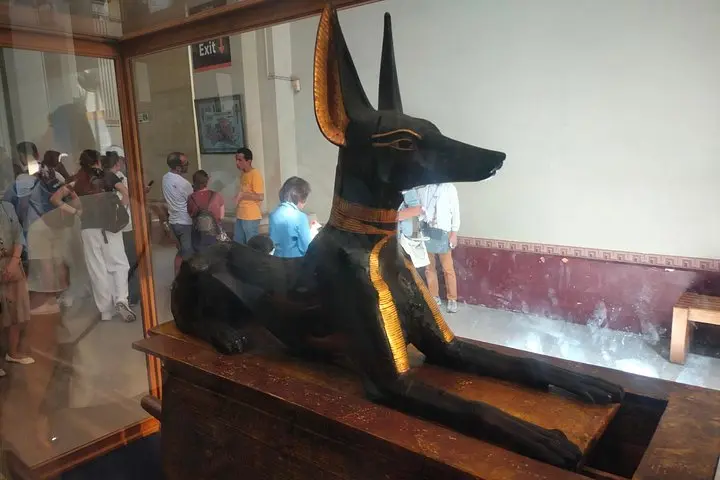
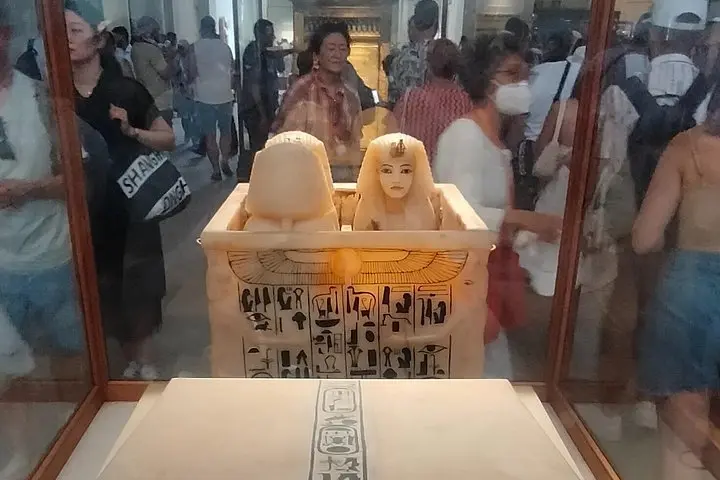
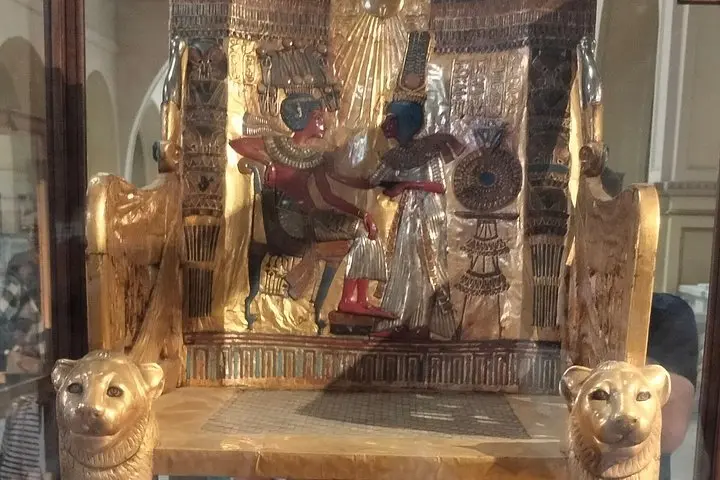
Opened in 1902 and designed by a French architect, the museum became Egypt’s primary home for Pharaonic collections for more than a century. Inside, galleries of limestone stelae, painted coffins and the compact, incandescent array of Tutankhamun’s funerary goods lay in sequence. The institution traces layers of modern Egyptian history alongside millennia: colonial-era collecting practices, 20th-century excavations, and recent conservation efforts to stabilize fragile artifacts.
Geology gives way to craftsmanship here: carved sandstone, glazed faience and hammered gold tell as much about ancient quarrying and metallurgy as they do about belief and burial. Local guides—often Egyptologists—connect objects to Cairo’s streets and to broader Mediterranean trade networks.
Practical guidance: plan 2–4 hours depending on interest; prioritize the Tutankhamun rooms and the relief galleries. Buy or reserve tickets in advance where possible, arrive early to avoid peak crowds, and expect security screening. The museum is largely accessible but carries tight display spaces; photography rules vary by gallery. Carry water, wear comfortable shoes for tile floors, and leave large backpacks at your hotel or in lockers to move through rooms easily. Respect signage, avoid touching artifacts, and allow time afterward to sit in a nearby café to let the scale of what you’ve seen settle.
This private visit typically does not include admission by default—confirm with the operator and book tickets in advance if needed.
Allocate 2–4 hours depending on how many galleries you want to explore and whether you join a guided tour.
Most public areas and transportation options in this tour are wheelchair accessible, though some display rooms may be tight—notify the operator of accessibility needs before booking.
Photography policies vary by room and by exhibit; flash is commonly prohibited and certain artifacts or rooms may ban photos—check onsite signs or ask staff.
Egyptravel Tours operates guided outdoor trips and adventures with an emphasis on safety, stewardship, and memorable experiences.
You step out into the pulse of Tahrir Square and the city seems to fold around a single stone building: the Egyptian Museum. A breeze carrying the scent of asphalt and the Nile slips between cars, and the museum’s façade keeps a quieter choreography—one of glass cases and gold that does not shout but insists you look closer.
You step out into the pulse of Tahrir Square and the city seems to fold around a single stone building: the Egyptian Museum. A breeze carrying the scent of asphalt and the Nile slips between cars, and the museum’s façade keeps a quieter choreography—one of glass cases and gold that does not shout but insists you look closer.
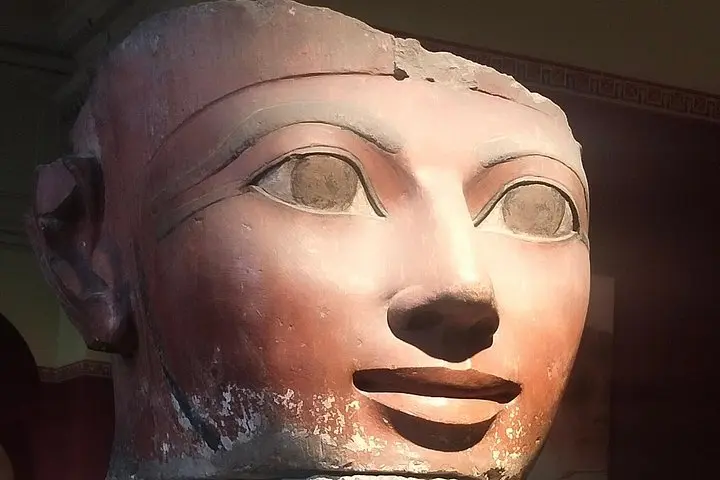
Opened in 1902 and designed by a French architect, the museum became Egypt’s primary home for Pharaonic collections for more than a century. Inside, galleries of limestone stelae, painted coffins and the compact, incandescent array of Tutankhamun’s funerary goods lay in sequence. The institution traces layers of modern Egyptian history alongside millennia: colonial-era collecting practices, 20th-century excavations, and recent conservation efforts to stabilize fragile artifacts.
Geology gives way to craftsmanship here: carved sandstone, glazed faience and hammered gold tell as much about ancient quarrying and metallurgy as they do about belief and burial. Local guides—often Egyptologists—connect objects to Cairo’s streets and to broader Mediterranean trade networks.
Practical guidance: plan 2–4 hours depending on interest; prioritize the Tutankhamun rooms and the relief galleries. Buy or reserve tickets in advance where possible, arrive early to avoid peak crowds, and expect security screening. The museum is largely accessible but carries tight display spaces; photography rules vary by gallery. Carry water, wear comfortable shoes for tile floors, and leave large backpacks at your hotel or in lockers to move through rooms easily. Respect signage, avoid touching artifacts, and allow time afterward to sit in a nearby café to let the scale of what you’ve seen settle.