THE ADVENTURE COLLECTIVE® · Independent discovery and booking for outdoor travel

Drive into southwestern Mauritius on an eight‑hour private tour that threads volcanic craters, sacred lakes and the Seven Coloured Earth. From Trou aux Cerfs’ rim to a jeep safari through Ebony Forest, this is a day that pairs dramatic geology with cultural context and practical comfort.
Drive into southwestern Mauritius on an eight‑hour private tour that threads volcanic craters, sacred lakes and the Seven Coloured Earth. From Trou aux Cerfs’ rim to a jeep safari through Ebony Forest, this is a day that pairs dramatic geology with cultural context and practical comfort.
You step into the day before the island wakes fully: humid air on your skin, a low sun gilding sugarcane slopes as the van eases away from your hotel toward the southwest. The first sight is Trou aux Cerfs — a sleeping giant’s rim cut into the sky. From the crater rim (about 605 m above sea level) the island folds away in ridgelines and ocean-blue seams; the guide points out Rempart Mountain and Trois Mamelles while the vehicle hums on to the reservoir.
Verified experiences and guided adventures in the surrounding area.
Operated by Freshverde Holidays · Chamarel, Rivière Noire
You step into the day before the island wakes fully: humid air on your skin, a low sun gilding sugarcane slopes as the van eases away from your hotel toward the southwest. The first sight is Trou aux Cerfs — a sleeping giant’s rim cut into the sky. From the crater rim (about 605 m above sea level) the island folds away in ridgelines and ocean-blue seams; the guide points out Rempart Mountain and Trois Mamelles while the vehicle hums on to the reservoir.
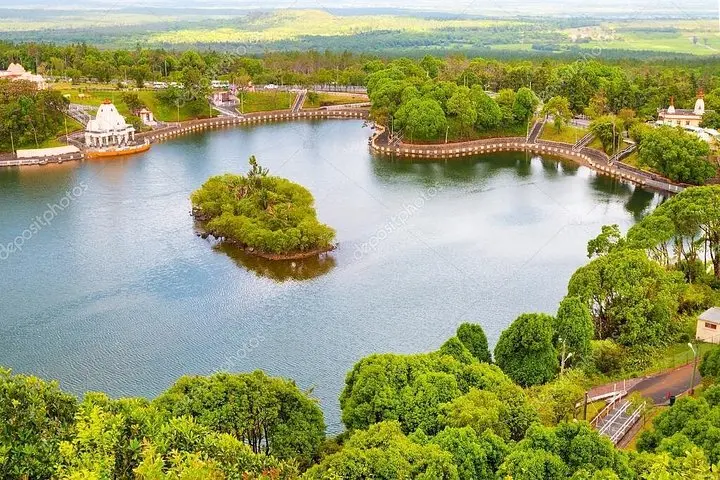
This eight-hour circuit reads like a natural-history primer. Mare aux Vacoas, Mauritius’ largest reservoir, sits like a glass lung amid reforested hills; its 26 million cubic-metre capacity shaped how the highlands supply the coast. At Grand Bassin (Ganga Talao) you trade geology for culture — a deep volcanic lake at roughly 550 m elevation ringed by shrines and a 33 m statue of Shiva. Pilgrims’ offerings and the scent of incense make the place feel alive in a deliberate, ancestral way.
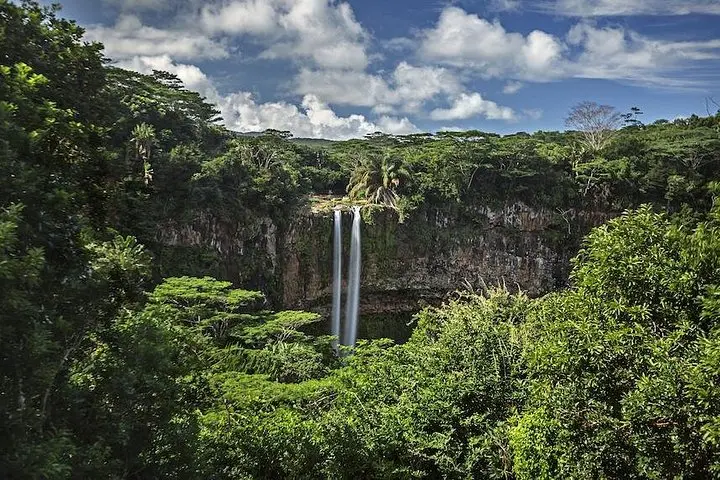
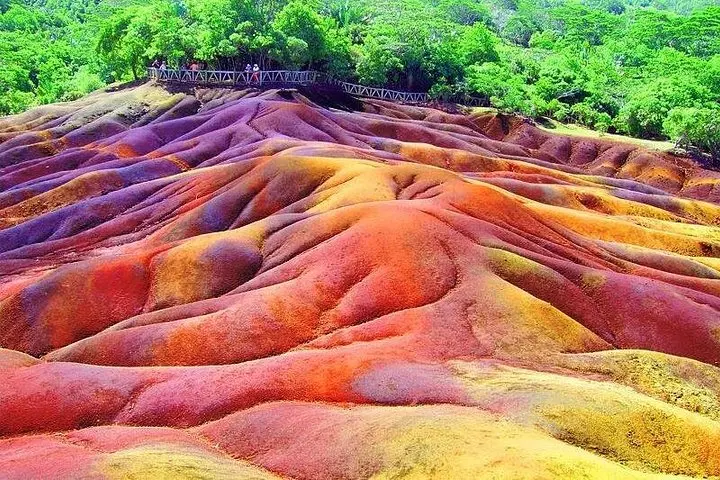
The tour’s spine is Chamarel: a succession of geological oddities and waterfalls. The Seven Coloured Earth is not just an Instagram stop — the layered clays are a visible record of basalt weathering under tropical conditions that separate into striking bands of red, violet, green and yellow. Nearby Chamarel Waterfall crashes about 100 m into a forested bowl, a raw display of erosion and runoff from the island’s central spine.
Ebony Forest crowns the day with a conservation lesson. The reserve’s jeep-driven discovery tour threads through one of the island’s last remnants of native forest; guides point out endemic plants and endangered birds such as the Mauritius Paradise Flycatcher, and explain ongoing restoration and replanting efforts designed to undo centuries of deforestation.
Practical side: you’ll be picked up from most hotels across the island; total time is about 8 hours with most stops 20–40 minutes long and a 3-course lunch included. Trails are short and mostly easy — expect some stairs at viewpoints and a gentle forest trail at Ebony. Wear non-slip shoes, sun protection and bring a small daypack with water and insect repellent. Cameras will fill quickly: wide lenses for panoramas, zooms for rare birds, and a neutral polariser for the reservoir reflections.
Timing matters: mornings are cooler and quieter at the viewpoints; late afternoon returns give softer light over the coast. The pace is steady but curated — a private guide handles permits, ferrying and local context so you can focus on the view and the story each site tells about Mauritius’ volcanic past, colonial shifts in land use, and current conservation efforts.
Yes — pick up and drop off at most hotels across Mauritius is included; confirm your location at booking.
Yes — entrance to Seven Coloured Earth, Chamarel waterfall, Ebony Forest access and a 3‑course lunch are included.
Children are welcome; infants under 3 are free. Infant seats are available on request — notify at booking.
No — stops are viewpoint and cultural visits; swimming is not part of this itinerary.
Yes — the 3‑course lunch includes vegetarian options and halal meals; advise dietary needs when booking.
The operator reserves the right to cancel for severe weather; in light rain the tour usually proceeds and you’ll have covered transport and indoor options.
Freshverde Holidays operates guided outdoor trips and adventures with an emphasis on safety, stewardship, and memorable experiences.
You step into the day before the island wakes fully: humid air on your skin, a low sun gilding sugarcane slopes as the van eases away from your hotel toward the southwest. The first sight is Trou aux Cerfs — a sleeping giant’s rim cut into the sky. From the crater rim (about 605 m above sea level) the island folds away in ridgelines and ocean-blue seams; the guide points out Rempart Mountain and Trois Mamelles while the vehicle hums on to the reservoir.
You step into the day before the island wakes fully: humid air on your skin, a low sun gilding sugarcane slopes as the van eases away from your hotel toward the southwest. The first sight is Trou aux Cerfs — a sleeping giant’s rim cut into the sky. From the crater rim (about 605 m above sea level) the island folds away in ridgelines and ocean-blue seams; the guide points out Rempart Mountain and Trois Mamelles while the vehicle hums on to the reservoir.
This eight-hour circuit reads like a natural-history primer. Mare aux Vacoas, Mauritius’ largest reservoir, sits like a glass lung amid reforested hills; its 26 million cubic-metre capacity shaped how the highlands supply the coast. At Grand Bassin (Ganga Talao) you trade geology for culture — a deep volcanic lake at roughly 550 m elevation ringed by shrines and a 33 m statue of Shiva. Pilgrims’ offerings and the scent of incense make the place feel alive in a deliberate, ancestral way.
The tour’s spine is Chamarel: a succession of geological oddities and waterfalls. The Seven Coloured Earth is not just an Instagram stop — the layered clays are a visible record of basalt weathering under tropical conditions that separate into striking bands of red, violet, green and yellow. Nearby Chamarel Waterfall crashes about 100 m into a forested bowl, a raw display of erosion and runoff from the island’s central spine.
Ebony Forest crowns the day with a conservation lesson. The reserve’s jeep-driven discovery tour threads through one of the island’s last remnants of native forest; guides point out endemic plants and endangered birds such as the Mauritius Paradise Flycatcher, and explain ongoing restoration and replanting efforts designed to undo centuries of deforestation.
Practical side: you’ll be picked up from most hotels across the island; total time is about 8 hours with most stops 20–40 minutes long and a 3-course lunch included. Trails are short and mostly easy — expect some stairs at viewpoints and a gentle forest trail at Ebony. Wear non-slip shoes, sun protection and bring a small daypack with water and insect repellent. Cameras will fill quickly: wide lenses for panoramas, zooms for rare birds, and a neutral polariser for the reservoir reflections.
Timing matters: mornings are cooler and quieter at the viewpoints; late afternoon returns give softer light over the coast. The pace is steady but curated — a private guide handles permits, ferrying and local context so you can focus on the view and the story each site tells about Mauritius’ volcanic past, colonial shifts in land use, and current conservation efforts.