THE ADVENTURE COLLECTIVE® · Independent discovery and booking for outdoor travel

Follow a slow boat into the Ciénaga Grande del Magdalena to see mangrove channels, stilted fishing villages and Ciénaga’s colonial core. This full-day expedition blends birding, cultural visits and a taste of García Márquez’s Caribbean.
Follow a slow boat into the Ciénaga Grande del Magdalena to see mangrove channels, stilted fishing villages and Ciénaga’s colonial core. This full-day expedition blends birding, cultural visits and a taste of García Márquez’s Caribbean.
You push off from Santa Marta before the heat peaks, the mangroves closing in like green hands that steer you deeper into a shallow world. The lagoon opens and the water becomes a wide, reflective plain; the boat’s wake is the only line cutting across it. Birds wheel and call, and the Sevilla River threads into reeds, daring you to follow.
Verified experiences and guided adventures in the surrounding area.
Operated by Macondo Surreal · Ciénaga, Magdalena
You push off from Santa Marta before the heat peaks, the mangroves closing in like green hands that steer you deeper into a shallow world. The lagoon opens and the water becomes a wide, reflective plain; the boat’s wake is the only line cutting across it. Birds wheel and call, and the Sevilla River threads into reeds, daring you to follow.
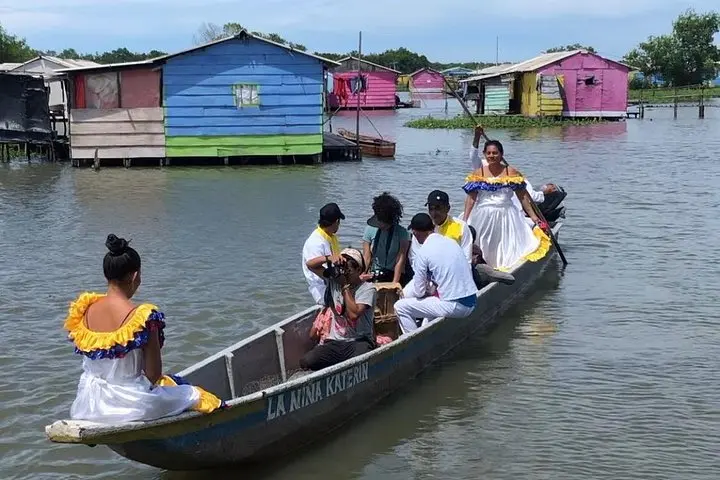
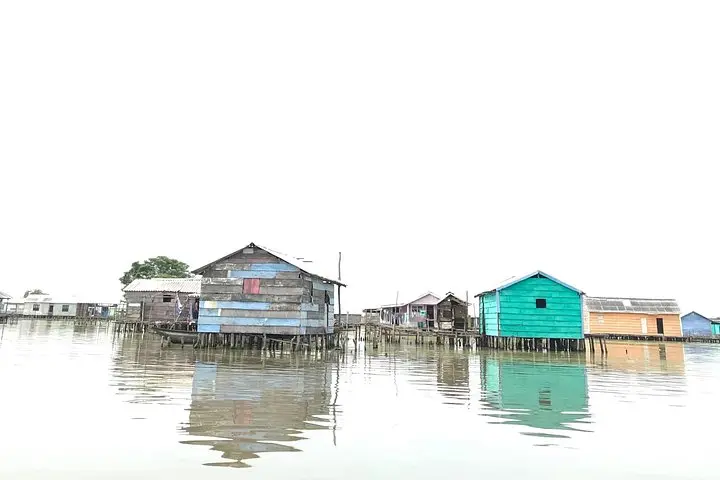
This is the Ciénaga Grande del Magdalena — Colombia’s largest coastal lagoon and the landscape that Enrique García Márquez famously folded into his fiction. Geologically, the lagoon is a mix of brackish marshes and river-fed channels shaped by Magdalena River sediment and Caribbean tides. Culturally, the day pairs aquatic life with human adaptation: BuenaVista’s houses on stilts, fishermen mending nets, and Ciénaga’s colonial streets where marble-faced facades recall the town’s nineteenth-century banana-trade boom.
Expect slow-moving boat travel, birdwatching at the river mouth, a guided conversation with village residents, and a walking tour of Ciénaga’s historic center capped by a meal of local macabí fish. Practical notes: the lagoon’s channels can be shallow and muddy, so wear shoes that handle wet decks and short, firm walks. Bring sun protection, insect repellent, and a light daypack for camera gear and water.
Timing matters — mornings offer quieter waters and better light for photography; afternoons can bring more breeze and clouds. This is a day of layered contrasts: glassy water that mirrors sky, people whose lives bend with tides, and a history you can hear in the streets.
This is a full-day tour (about 12 hours) that departs from Santa Marta and returns the same day.
Yes — the tour is rated easy to moderate and suitable for most fitness levels, though boat transfers and short walks are required.
Yes — expect a variety of waterbirds and occasional fish activity; sightings of larger mammals are rare in this coastal lagoon.
Private air-conditioned transport is included; the tour typically ends with a traditional meal at a local restaurant as part of the experience.
Macondo Surreal operates guided outdoor trips and adventures with an emphasis on safety, stewardship, and memorable experiences.
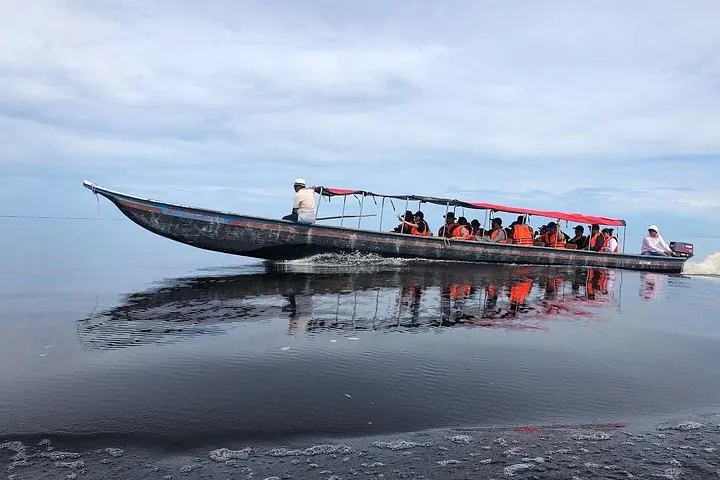
You push off from Santa Marta before the heat peaks, the mangroves closing in like green hands that steer you deeper into a shallow world. The lagoon opens and the water becomes a wide, reflective plain; the boat’s wake is the only line cutting across it. Birds wheel and call, and the Sevilla River threads into reeds, daring you to follow.
You push off from Santa Marta before the heat peaks, the mangroves closing in like green hands that steer you deeper into a shallow world. The lagoon opens and the water becomes a wide, reflective plain; the boat’s wake is the only line cutting across it. Birds wheel and call, and the Sevilla River threads into reeds, daring you to follow.
This is the Ciénaga Grande del Magdalena — Colombia’s largest coastal lagoon and the landscape that Enrique García Márquez famously folded into his fiction. Geologically, the lagoon is a mix of brackish marshes and river-fed channels shaped by Magdalena River sediment and Caribbean tides. Culturally, the day pairs aquatic life with human adaptation: BuenaVista’s houses on stilts, fishermen mending nets, and Ciénaga’s colonial streets where marble-faced facades recall the town’s nineteenth-century banana-trade boom.
Expect slow-moving boat travel, birdwatching at the river mouth, a guided conversation with village residents, and a walking tour of Ciénaga’s historic center capped by a meal of local macabí fish. Practical notes: the lagoon’s channels can be shallow and muddy, so wear shoes that handle wet decks and short, firm walks. Bring sun protection, insect repellent, and a light daypack for camera gear and water.
Timing matters — mornings offer quieter waters and better light for photography; afternoons can bring more breeze and clouds. This is a day of layered contrasts: glassy water that mirrors sky, people whose lives bend with tides, and a history you can hear in the streets.