THE ADVENTURE COLLECTIVE® · Independent discovery and booking for outdoor travel

Move from Mughal cityscapes to Bhutan’s alpine valleys on a structured 12-day tour that pairs iconic monuments like the Taj Mahal with Himalayan highlights including the Taktsang (Tiger’s Nest). Practical, guided, and hotel-based, it’s an accessible cultural expedition with a single serious hike.
Move from Mughal cityscapes to Bhutan’s alpine valleys on a structured 12-day tour that pairs iconic monuments like the Taj Mahal with Himalayan highlights including the Taktsang (Tiger’s Nest). Practical, guided, and hotel-based, it’s an accessible cultural expedition with a single serious hike.
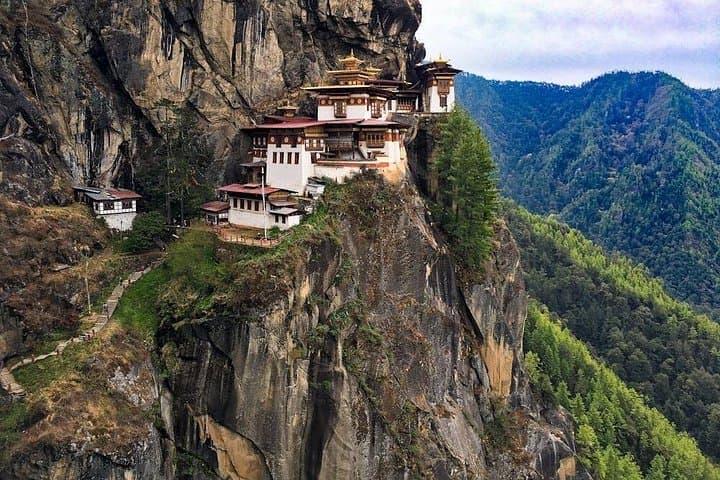
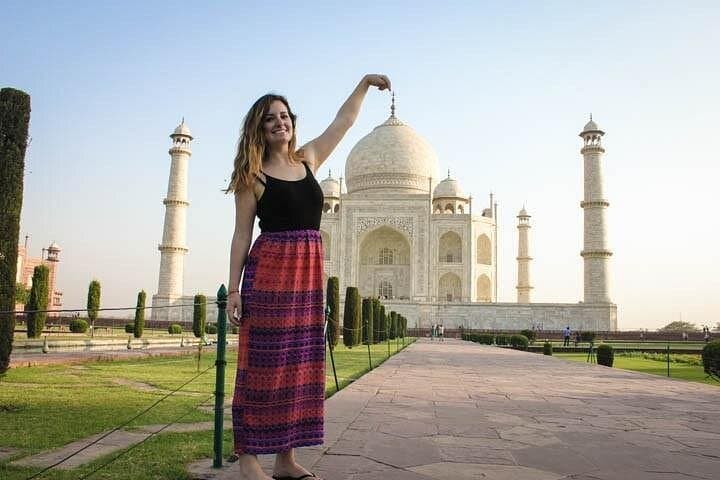
You step out of a Delhi dawn into a city that favors motion: rickshaws threading through spice-scented alleys, red sandstone fortresses catching early light, and the distant hum of a nation on the move. Over twelve days this itinerary carries you from Mughal monuments — the Taj Mahal’s ivory glow, Agra Fort’s layered ramparts — into the high green valleys of Bhutan where prayer flags stitch the wind and a cliff-top monastery hangs like a quiet dare.
Verified experiences and guided adventures in the surrounding area.
Operated by Amazing India Tours · New Delhi, Delhi
You step out of a Delhi dawn into a city that favors motion: rickshaws threading through spice-scented alleys, red sandstone fortresses catching early light, and the distant hum of a nation on the move. Over twelve days this itinerary carries you from Mughal monuments — the Taj Mahal’s ivory glow, Agra Fort’s layered ramparts — into the high green valleys of Bhutan where prayer flags stitch the wind and a cliff-top monastery hangs like a quiet dare.
History here is visible in stone. In India the Mughal era left garden tombs, fortified capitals and market lanes such as Chandni Chowk; in Bhutan, medieval dzongs and cliff monasteries reflect a Himalayan theocracy shaped by Tibetan Buddhism and centuries of mountain governance. Geology shifts as you drive east: the Gangetic plains give way to foothills and then the sedimentary, forested valleys carved by rivers like the Mo Chhu and Pa Chhu. Cultural rhythms change too — crowded bazaars trade in sweets and textiles, while Bhutanese dzongs host monastic schedules and strict dress protocols.
Expect guided city tours, comfortable hotel nights, and a demanding half-day trek to Taktsang (Tiger’s Nest) in Paro. Practical essentials: carry your Bhutan permit and visa paperwork, allow time to acclimatize for higher passes such as Dochu La, and wear supportive footwear for steep trails and city cobbles. Hydrate for long drives, pack layers for temperature swings between plains and 3,000+m passes, and respect local customs in religious sites. This trip balances urban monuments with Himalayan hiking, offering both architectural spectacle and mountain silence.
Yes — Bhutan requires a visa and daily tariff handled by tour operators; ensure your tour provider secures permits before arrival.
The morning hike to Taktsang is included; it’s a steep 2–4 hour ascent depending on pace and rest stops, suitable for walkers with good fitness.
The itinerary uses 3–4 star hotels in India and standard tourist hotels in Bhutan; expect comfortable rooms, sometimes with limited heating at higher elevations.
Autumn (Sept–Nov) and spring (Mar–May) offer the clearest skies and most stable conditions for Himalayan vistas.
Amazing India Tours operates guided outdoor trips and adventures with an emphasis on safety, stewardship, and memorable experiences.


You step out of a Delhi dawn into a city that favors motion: rickshaws threading through spice-scented alleys, red sandstone fortresses catching early light, and the distant hum of a nation on the move. Over twelve days this itinerary carries you from Mughal monuments — the Taj Mahal’s ivory glow, Agra Fort’s layered ramparts — into the high green valleys of Bhutan where prayer flags stitch the wind and a cliff-top monastery hangs like a quiet dare.
You step out of a Delhi dawn into a city that favors motion: rickshaws threading through spice-scented alleys, red sandstone fortresses catching early light, and the distant hum of a nation on the move. Over twelve days this itinerary carries you from Mughal monuments — the Taj Mahal’s ivory glow, Agra Fort’s layered ramparts — into the high green valleys of Bhutan where prayer flags stitch the wind and a cliff-top monastery hangs like a quiet dare.
History here is visible in stone. In India the Mughal era left garden tombs, fortified capitals and market lanes such as Chandni Chowk; in Bhutan, medieval dzongs and cliff monasteries reflect a Himalayan theocracy shaped by Tibetan Buddhism and centuries of mountain governance. Geology shifts as you drive east: the Gangetic plains give way to foothills and then the sedimentary, forested valleys carved by rivers like the Mo Chhu and Pa Chhu. Cultural rhythms change too — crowded bazaars trade in sweets and textiles, while Bhutanese dzongs host monastic schedules and strict dress protocols.
Expect guided city tours, comfortable hotel nights, and a demanding half-day trek to Taktsang (Tiger’s Nest) in Paro. Practical essentials: carry your Bhutan permit and visa paperwork, allow time to acclimatize for higher passes such as Dochu La, and wear supportive footwear for steep trails and city cobbles. Hydrate for long drives, pack layers for temperature swings between plains and 3,000+m passes, and respect local customs in religious sites. This trip balances urban monuments with Himalayan hiking, offering both architectural spectacle and mountain silence.