
Experience Al Ain: Oasis City Tour with Jahili Fort, Jebel Hafeet & Lunch
Spend a day tracing Al Ain’s living history—from the cooling palms of a 3,000-year-old falaj system to the stone memory of Jahili Fort and the panoramic shoulders of Jebel Hafeet. This full-day tour pairs cultural sites with an included lunch and air-conditioned transport.
An Adventure In Al Ain.
Spend a day tracing Al Ain’s living history—from the cooling palms of a 3,000-year-old falaj system to the stone memory of Jahili Fort and the panoramic shoulders of Jebel Hafeet. This full-day tour pairs cultural sites with an included lunch and air-conditioned transport.
Read the full experience
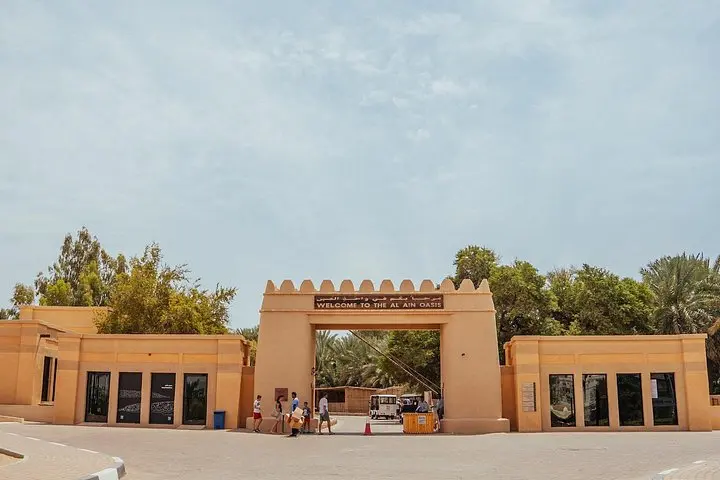
Step out of the air-conditioned car and into the slow cadence of Al Ain: palms shade a lattice of irrigation channels while the desert beyond seems to hold its breath. The tour moves from cool, green alleys to sun-baked ramparts and then up a winding road where Jebel Hafeet lets the horizon expand until the city becomes a grid of dust and palms.
Step out of the air-conditioned car and into the slow cadence of Al Ain: palms shade a lattice of irrigation channels while the desert beyond seems to hold its breath. The tour moves from cool, green alleys to sun-baked ramparts and then up a winding road where Jebel Hafeet lets the horizon expand until the city becomes a grid of dust and palms.
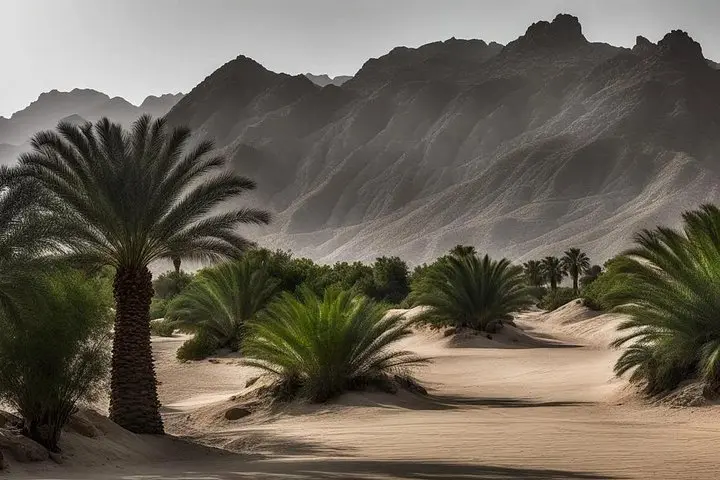
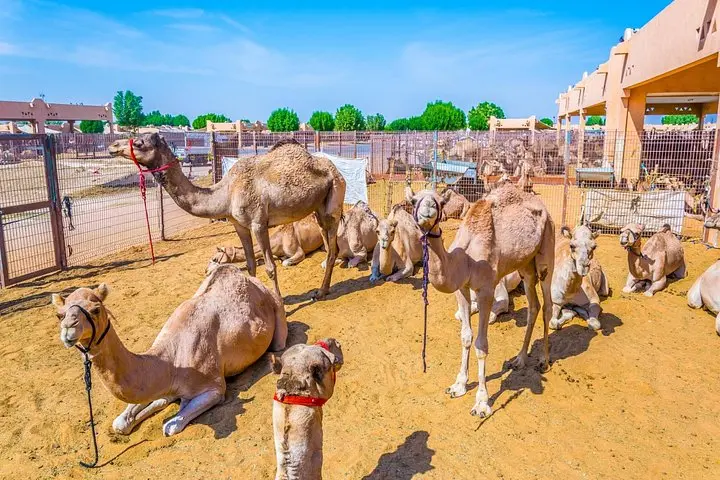
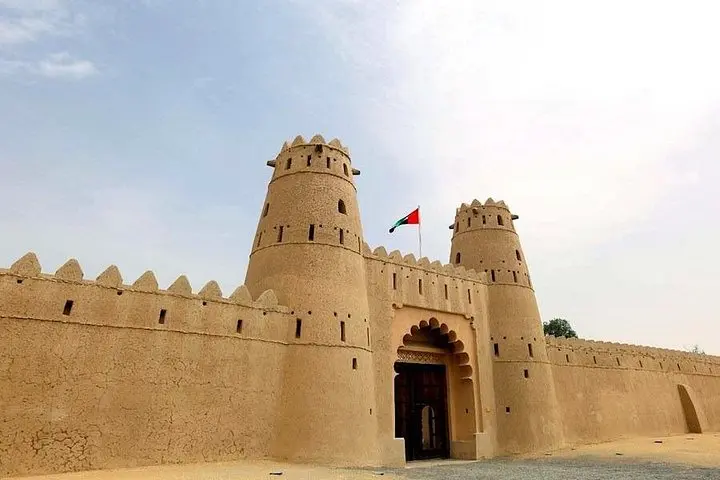
History sits in the mud-brick curves of Jahili Fort and in the rooms of Al Ain Palace Museum, where Sheikh Zayed’s pre-1966 domestic life offers a practical window into regional change. Geology announces itself on Jebel Hafeet’s slopes—pale limestone ledges that catch late light—while the Al Ain Oasis demonstrates millennia-old falaj irrigation engineering still feeding date palms and local gardens. The Camel Souk and lunch stop bring culture into tactile focus: trade practices, flavors and the steady business of market life.
Practically, expect a full day (roughly nine hours) with moderate walking on paved and compacted surfaces, easy stairs at heritage sites, and vehicle transfers between stops. The tour typically includes entrance tickets, bottled water and an included lunch; wear sun-protective layers, bring a hat and comfortable walking shoes, and plan for strong midday heat outside winter months. Photographers should time Jebel Hafeet for sunrise or late afternoon; the oasis is best mid-morning when shade is cooler. The route is largely accessible, but travelers with serious back or heart conditions should consult the operator. In short: this is a paced, cultural day that balances archaeological depth, desert geology and a clear sense of Emirati daily life.
Frequently asked questions
The tour runs about nine hours and typically includes air-conditioned transport, entrance tickets to listed attractions, bottled water and a lunch.
Most transportation and several sites like the Al Ain Oasis and museum have wheelchair access; however some areas of Jahili Fort and rocky viewpoints may have limited access—check with the operator for specific mobility needs.
Early morning or late afternoon provides the best light and cooler temperatures; sunset can be popular but busy.
Yes—infants and small children can join; infant seats and stroller-accessible transport are usually available but request them when booking.
About This Experience
Desert Voyagers Tourism operates guided outdoor trips and adventures with an emphasis on safety, stewardship, and memorable experiences.
Adventure tips
Recommended gear
- Sun hat or cap: Provides shade during oasis walks and when photographing Jebel Hafeet.
- Light long-sleeve layer: Protects from sun and offers modesty in cultural sites while remaining breathable.
- Sturdy walking shoes: Comfortable footwear for mixed paved paths and steps at heritage sites.
- Sunscreen and sunglasses: Necessary protection from strong desert sun, especially outside winter months.
Photos of the experience
Related adventures & guides
Read the full experience
Step out of the air-conditioned car and into the slow cadence of Al Ain: palms shade a lattice of irrigation channels while the desert beyond seems to hold its breath. The tour moves from cool, green alleys to sun-baked ramparts and then up a winding road where Jebel Hafeet lets the horizon expand until the city becomes a grid of dust and palms.
Step out of the air-conditioned car and into the slow cadence of Al Ain: palms shade a lattice of irrigation channels while the desert beyond seems to hold its breath. The tour moves from cool, green alleys to sun-baked ramparts and then up a winding road where Jebel Hafeet lets the horizon expand until the city becomes a grid of dust and palms.
History sits in the mud-brick curves of Jahili Fort and in the rooms of Al Ain Palace Museum, where Sheikh Zayed’s pre-1966 domestic life offers a practical window into regional change. Geology announces itself on Jebel Hafeet’s slopes—pale limestone ledges that catch late light—while the Al Ain Oasis demonstrates millennia-old falaj irrigation engineering still feeding date palms and local gardens. The Camel Souk and lunch stop bring culture into tactile focus: trade practices, flavors and the steady business of market life.
Practically, expect a full day (roughly nine hours) with moderate walking on paved and compacted surfaces, easy stairs at heritage sites, and vehicle transfers between stops. The tour typically includes entrance tickets, bottled water and an included lunch; wear sun-protective layers, bring a hat and comfortable walking shoes, and plan for strong midday heat outside winter months. Photographers should time Jebel Hafeet for sunrise or late afternoon; the oasis is best mid-morning when shade is cooler. The route is largely accessible, but travelers with serious back or heart conditions should consult the operator. In short: this is a paced, cultural day that balances archaeological depth, desert geology and a clear sense of Emirati daily life.
Make a day of it nearby.
Verified experiences and guided adventures in the surrounding area.