THE ADVENTURE COLLECTIVE® · Independent discovery and booking for outdoor travel

Walk through Atlixco’s Day of the Dead season where monumental catrinas and fields of cempasúchil turn the town into a living celebration. This guided urban walk blends colonial history, local floriculture, and panoramic viewpoints with practical tips for the best visit.
Walk through Atlixco’s Day of the Dead season where monumental catrinas and fields of cempasúchil turn the town into a living celebration. This guided urban walk blends colonial history, local floriculture, and panoramic viewpoints with practical tips for the best visit.
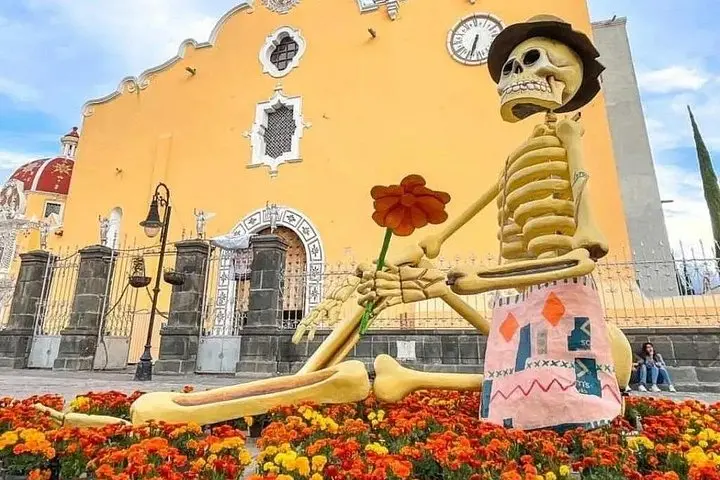
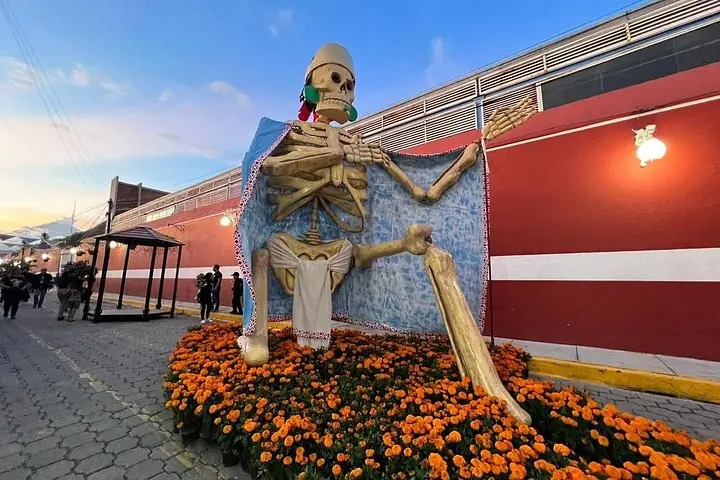
A low sun slants across Atlixco’s cobbled streets, and orange cempasúchil petals carpet the plazas as giant catrinas stand like folk-art sentries. The walk begins in the historic center, where colonial walls and the 16th-century Convent of San Francisco frame altars and papel picado. Up narrow stairways lined with murals, the city opens into the Mirador de Cristal on San Miguel Hill — here Popocatépetl’s steam-laced silhouette dares you to look farther across the valley.
Verified experiences and guided adventures in the surrounding area.
Operated by Unlimited Experiences · Atlixco, Puebla
A low sun slants across Atlixco’s cobbled streets, and orange cempasúchil petals carpet the plazas as giant catrinas stand like folk-art sentries. The walk begins in the historic center, where colonial walls and the 16th-century Convent of San Francisco frame altars and papel picado. Up narrow stairways lined with murals, the city opens into the Mirador de Cristal on San Miguel Hill — here Popocatépetl’s steam-laced silhouette dares you to look farther across the valley.
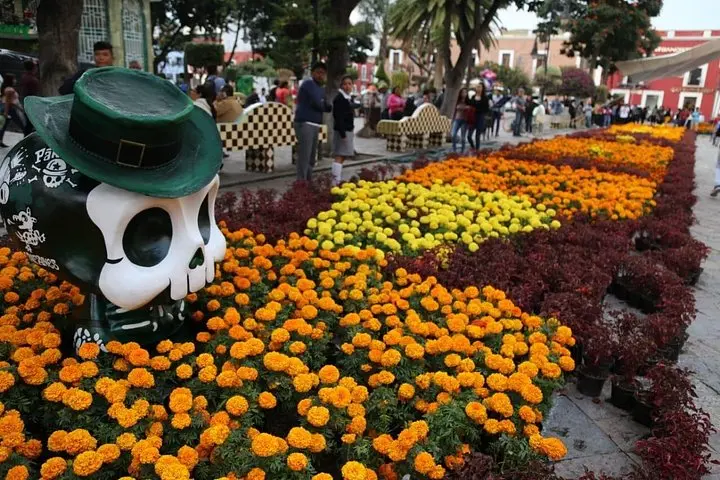
Atlixco’s identity is tied to soil and bloom: volcanic loam from nearby peaks and a long tradition of floriculture that turned this town into the City of Flowers. The multiviveros (multi-nurseries) show growers cultivating cempasúchil for the season, and monumental catrinas — oversized skeletal figures dressed in color — transform streets into living processions of art and memory.
Expect a cultural walking tour that mixes architecture, folk art and close-up time in flower fields. History and local craft are foregrounded: colonial convents, public murals, and vendors who keep ancestral practices alive.
Practical guidance: this is an urban walk of mostly paved streets with some steep stairs; wear sturdy shoes, bring sunscreen and water, and carry small bills for market purchases. Visit mid-morning to late afternoon for best light and cooler air; if you climb to viewpoints, pause to let altitude and the climb settle. Respect growers: don’t cut flowers, stay on paths, and leave no trace of offerings or trash.
The tour runs about 7 hours with several kilometers of walking across paved streets, stairways to viewpoints, and time in nurseries; expect moderate time on your feet.
The listed tour includes a guide but typically does not cover optional purchases from vendors; confirm with the operator for any included admissions.
Yes — the route is family-friendly but involves stairs and some uphill sections; bring pacing breaks and plan for shorter legs if needed.
Tour language depends on the operator; many local guides conduct tours in Spanish and some offer explanations in English—confirm at booking.
Unlimited Experiences operates guided outdoor trips and adventures with an emphasis on safety, stewardship, and memorable experiences.

A low sun slants across Atlixco’s cobbled streets, and orange cempasúchil petals carpet the plazas as giant catrinas stand like folk-art sentries. The walk begins in the historic center, where colonial walls and the 16th-century Convent of San Francisco frame altars and papel picado. Up narrow stairways lined with murals, the city opens into the Mirador de Cristal on San Miguel Hill — here Popocatépetl’s steam-laced silhouette dares you to look farther across the valley.
A low sun slants across Atlixco’s cobbled streets, and orange cempasúchil petals carpet the plazas as giant catrinas stand like folk-art sentries. The walk begins in the historic center, where colonial walls and the 16th-century Convent of San Francisco frame altars and papel picado. Up narrow stairways lined with murals, the city opens into the Mirador de Cristal on San Miguel Hill — here Popocatépetl’s steam-laced silhouette dares you to look farther across the valley.
Atlixco’s identity is tied to soil and bloom: volcanic loam from nearby peaks and a long tradition of floriculture that turned this town into the City of Flowers. The multiviveros (multi-nurseries) show growers cultivating cempasúchil for the season, and monumental catrinas — oversized skeletal figures dressed in color — transform streets into living processions of art and memory.
Expect a cultural walking tour that mixes architecture, folk art and close-up time in flower fields. History and local craft are foregrounded: colonial convents, public murals, and vendors who keep ancestral practices alive.
Practical guidance: this is an urban walk of mostly paved streets with some steep stairs; wear sturdy shoes, bring sunscreen and water, and carry small bills for market purchases. Visit mid-morning to late afternoon for best light and cooler air; if you climb to viewpoints, pause to let altitude and the climb settle. Respect growers: don’t cut flowers, stay on paths, and leave no trace of offerings or trash.