THE ADVENTURE COLLECTIVE® · Independent discovery and booking for outdoor travel

Feel the stadium energy and Midwestern hospitality at a Colts game inside Lucas Oil Stadium. This guide outlines what to expect—history, atmosphere and practical tips—to make game day smooth and memorable.
Feel the stadium energy and Midwestern hospitality at a Colts game inside Lucas Oil Stadium. This guide outlines what to expect—history, atmosphere and practical tips—to make game day smooth and memorable.
The roar arrives before you do: a rolling wave of cheers and chant, lights blinking like a controlled storm over downtown Indianapolis. Inside Lucas Oil Stadium the crowd presses inward and upward, a human current that carries every kickoff, tackle and field-goal attempt.
Verified experiences and guided adventures in the surrounding area.
The roar arrives before you do: a rolling wave of cheers and chant, lights blinking like a controlled storm over downtown Indianapolis. Inside Lucas Oil Stadium the crowd presses inward and upward, a human current that carries every kickoff, tackle and field-goal attempt.
Opened in 2008 to replace the RCA Dome, Lucas Oil Stadium put a modern, retractable-roof cap on a city already defined by motorsports and Midwestern grit. The Colts franchise relocated to Indianapolis in 1984 and has been central to the city's sports identity ever since, with the Super Bowl XLI victory still a bright chapter in local lore. The stadium sits on reclaimed urban ground; beneath the concrete pulse you'll find the city grid, cultural institutions and a compact downtown that makes post-game plans simple.
Expect a mix of polished amenities—concession variety, covered seating and clear sightlines—and the unpredictable elements of live sport: crowd noise, sudden weather when the roof is open, and last-minute plays that start and stop the room's breath. Tailgating culture here leans casual and community-driven: fans arrive early, trade stories and warm up for the game.
Practical guidance: arrive 60–90 minutes early to navigate security and traffic, bring digital or printed tickets, and pack ear protection for young or noise-sensitive attendees. Wear layers for walk-to-venue weather and a small daypack for essentials. Use public transit or nearby garages to avoid downtown congestion, and plan a post-game route to one of the local bars or the Indiana State Museum if you want to extend the evening.
Small clear bags and single small clutch bags are usually allowed; check the Colts' official bag policy before you go since security procedures can change.
Lucas Oil Stadium has a retractable roof; its position is at the discretion of stadium operations and can change based on weather and event requirements.
Yes—most stadiums offer vegetarian and some allergy-aware options; if you have strict dietary needs call the stadium ahead of time for specifics.
The most efficient options are taxi, rideshare or the IndyGo Red Line bus from the airport to downtown; travel time is typically 20–30 minutes depending on traffic.
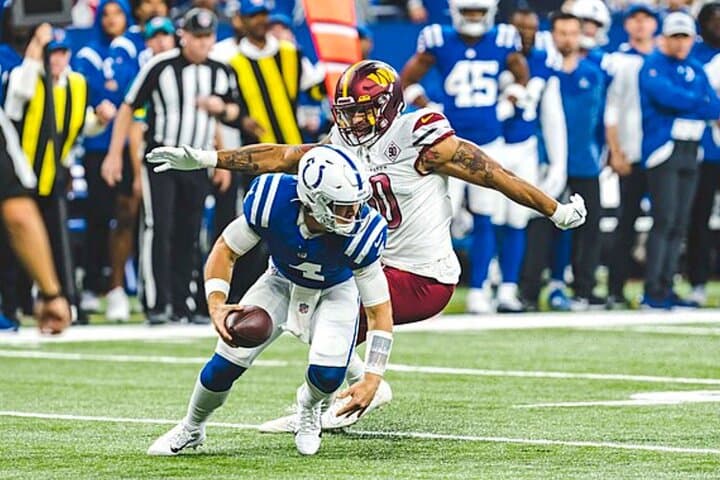
The roar arrives before you do: a rolling wave of cheers and chant, lights blinking like a controlled storm over downtown Indianapolis. Inside Lucas Oil Stadium the crowd presses inward and upward, a human current that carries every kickoff, tackle and field-goal attempt.
The roar arrives before you do: a rolling wave of cheers and chant, lights blinking like a controlled storm over downtown Indianapolis. Inside Lucas Oil Stadium the crowd presses inward and upward, a human current that carries every kickoff, tackle and field-goal attempt.
Opened in 2008 to replace the RCA Dome, Lucas Oil Stadium put a modern, retractable-roof cap on a city already defined by motorsports and Midwestern grit. The Colts franchise relocated to Indianapolis in 1984 and has been central to the city's sports identity ever since, with the Super Bowl XLI victory still a bright chapter in local lore. The stadium sits on reclaimed urban ground; beneath the concrete pulse you'll find the city grid, cultural institutions and a compact downtown that makes post-game plans simple.
Expect a mix of polished amenities—concession variety, covered seating and clear sightlines—and the unpredictable elements of live sport: crowd noise, sudden weather when the roof is open, and last-minute plays that start and stop the room's breath. Tailgating culture here leans casual and community-driven: fans arrive early, trade stories and warm up for the game.
Practical guidance: arrive 60–90 minutes early to navigate security and traffic, bring digital or printed tickets, and pack ear protection for young or noise-sensitive attendees. Wear layers for walk-to-venue weather and a small daypack for essentials. Use public transit or nearby garages to avoid downtown congestion, and plan a post-game route to one of the local bars or the Indiana State Museum if you want to extend the evening.