THE ADVENTURE COLLECTIVE® · Independent discovery and booking for outdoor travel

Walk the steep alleys between Albaicín and Sacromonte to meet flamenco artists, hear live guitar and song, and learn how Granada’s Moorish and Gitano past shaped cante and dance. This three-hour guided tour combines viewpoints, caves and intimate musical encounters.
Walk the steep alleys between Albaicín and Sacromonte to meet flamenco artists, hear live guitar and song, and learn how Granada’s Moorish and Gitano past shaped cante and dance. This three-hour guided tour combines viewpoints, caves and intimate musical encounters.
The tour begins on the Paseo de los Tristes, where the Darro murmurs below and guitar strings thread the air as the group gathers by the dancer statue.
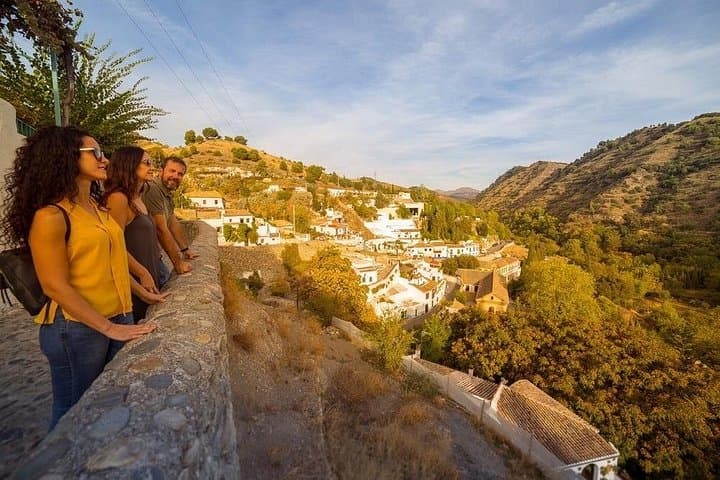
Narrow alleys climb into the Albaicín and wind up to Sacromonte’s cave-lined slopes; every turn yields a doorway, a fountain pillar, a viewpoint where a single voice can fill the valley.
Verified experiences and guided adventures in the surrounding area.
Operated by Andalucía 360 · Granada, Andalusia
The tour begins on the Paseo de los Tristes, where the Darro murmurs below and guitar strings thread the air as the group gathers by the dancer statue.
Narrow alleys climb into the Albaicín and wind up to Sacromonte’s cave-lined slopes; every turn yields a doorway, a fountain pillar, a viewpoint where a single voice can fill the valley.
Flamenco here is braided with history: Andalusian, Moorish and Gitano currents converged in these neighborhoods. The Sacromonte caves were carved into soft, clay-rich slopes and became homes and tablaos where zambra and cante jondo took shape. The tour traces that cultural geography while introducing local artists who demonstrate cajón rhythms, guitar technique and the vocal phrasing unique to Granada.
Expect a mix of paved streets, cobbled lanes and short stair sections—gentle elevation changes but uneven surfaces. Guides pause at public fountains and viewpoints for context: why the box (cajón) arrived from the Americas, how the albaicin’s Moorish urban plan shaped performance in public squares, and the social role of caves in Sacromonte’s identity.
Practical tips: meet on time at the statue, wear comfortable shoes for three hours of walking and short climbs, and bring water and modest cash for tips or a drink afterward. Small groups improve access to artists, but note caves and narrow alleys limit wheelchair access and are not recommended for very young children. This is a sensory, conversational experience—less a staged show and more a living introduction to Granada’s flamenco threads.
The group meets at the statue of the dancer on Paseo de los Tristes; guides carry a dark blue Andalusia 360 umbrella and recommend arriving 10–15 minutes early.
The route is not recommended for children under 7 and is unsuitable for people with reduced mobility due to stairs, narrow alleys and cave access.
The experience focuses on meeting artists and live musical demonstrations; it includes access to a cave meeting with a singer, but it is framed as an intimate encounter rather than a full commercial show.
Yes—public transport options serve central Granada and the Paseo de los Tristes area; the walkable historic center also makes taxi or walking access straightforward.
Andalucía 360 operates guided outdoor trips and adventures with an emphasis on safety, stewardship, and memorable experiences.


The tour begins on the Paseo de los Tristes, where the Darro murmurs below and guitar strings thread the air as the group gathers by the dancer statue.
Narrow alleys climb into the Albaicín and wind up to Sacromonte’s cave-lined slopes; every turn yields a doorway, a fountain pillar, a viewpoint where a single voice can fill the valley.
Flamenco here is braided with history: Andalusian, Moorish and Gitano currents converged in these neighborhoods. The Sacromonte caves were carved into soft, clay-rich slopes and became homes and tablaos where zambra and cante jondo took shape. The tour traces that cultural geography while introducing local artists who demonstrate cajón rhythms, guitar technique and the vocal phrasing unique to Granada.
Expect a mix of paved streets, cobbled lanes and short stair sections—gentle elevation changes but uneven surfaces. Guides pause at public fountains and viewpoints for context: why the box (cajón) arrived from the Americas, how the albaicin’s Moorish urban plan shaped performance in public squares, and the social role of caves in Sacromonte’s identity.
Practical tips: meet on time at the statue, wear comfortable shoes for three hours of walking and short climbs, and bring water and modest cash for tips or a drink afterward. Small groups improve access to artists, but note caves and narrow alleys limit wheelchair access and are not recommended for very young children. This is a sensory, conversational experience—less a staged show and more a living introduction to Granada’s flamenco threads.