THE ADVENTURE COLLECTIVE® · Independent discovery and booking for outdoor travel

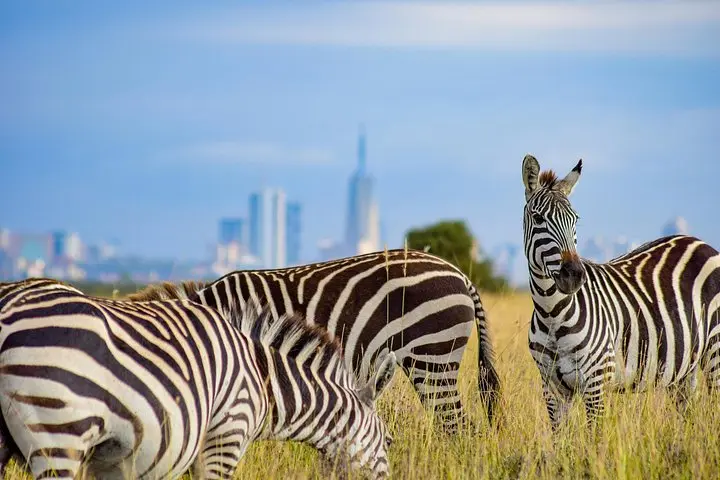
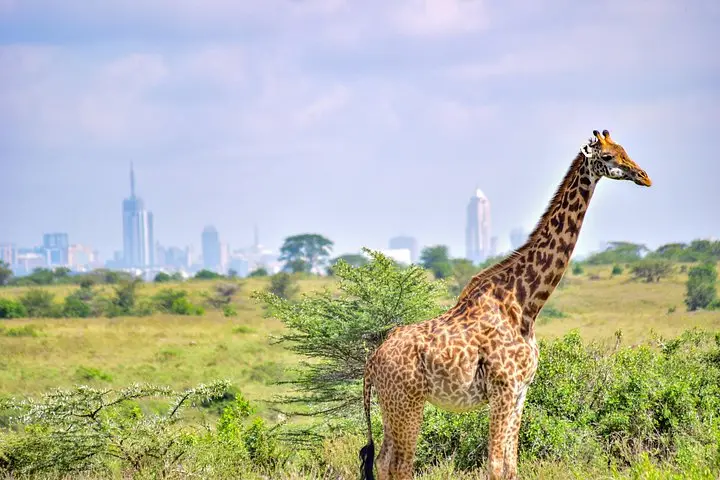
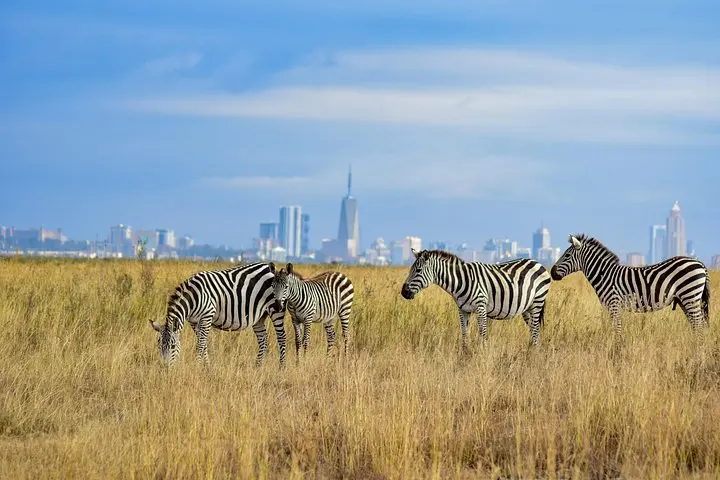
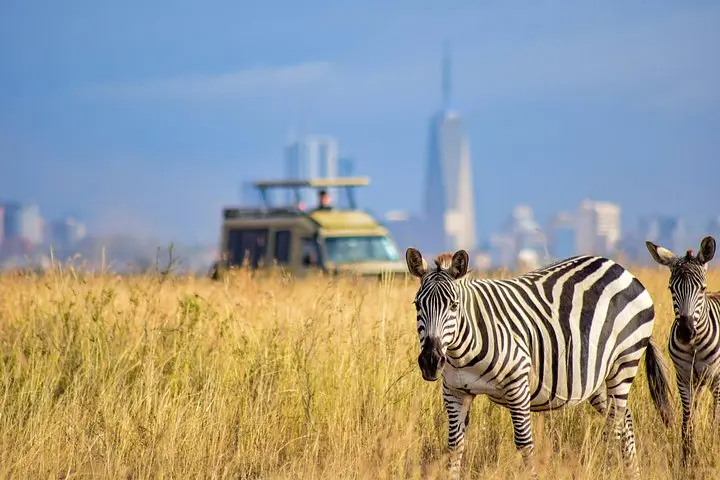
Discover the unique thrill of Nairobi National Park, where expansive savanna wildlife roams with the city skyline in the background. This early morning group safari offers up-close encounters with lions, rhinos, giraffes, and more, all within minutes of Nairobi’s urban core.
Discover the unique thrill of Nairobi National Park, where expansive savanna wildlife roams with the city skyline in the background. This early morning group safari offers up-close encounters with lions, rhinos, giraffes, and more, all within minutes of Nairobi’s urban core.
As dawn breaks over Nairobi, the city’s skyscrapers silhouette against a muted orange sky—yet just seven kilometers beyond the urban bustle lies a wild expanse daring you to explore. Nairobi National Park, Kenya's first national park, sprawls across 117 square kilometers of open grass plains, acacia thickets, highland dry forests, and a permanent river running through riverine woodlands. This juxtaposition of cityscape and wilderness creates a singular safari experience accessible within minutes from Kenya’s capital.
Verified experiences and guided adventures in the surrounding area.
Operated by Bush Pumba Safaris · Nairobi, Nairobi County
As dawn breaks over Nairobi, the city’s skyscrapers silhouette against a muted orange sky—yet just seven kilometers beyond the urban bustle lies a wild expanse daring you to explore. Nairobi National Park, Kenya's first national park, sprawls across 117 square kilometers of open grass plains, acacia thickets, highland dry forests, and a permanent river running through riverine woodlands. This juxtaposition of cityscape and wilderness creates a singular safari experience accessible within minutes from Kenya’s capital.
Here, wildlife roams freely with the city’s pulse close at hand. On an early morning group safari, the park’s plains come alive as lions stretch under acacia shadows, buffalos trudge steadily through tall grasses, and giraffes nibble atop hardy acacia leaves. Spotting four of the Big Five—excluding elephants—becomes this safari’s core draw, with rhinos, cheetahs, zebras, and an array of antelope species also holding ground. Birdwatchers find rich variety with over 300 species including Secretary birds, crowned cranes, and vultures circling overhead.
Nairobi National Park’s geology tells the story of a landscape formed by ancient volcanic activity and erosion, shaping rocky valleys and broken bush terrains that provide cover and varied habitats. The highland forests on the western edge offer cool refuge in contrast to the sunbaked plains to the east. Riverine forest hugs the permanent river to the south, fueling the park’s sustained biodiversity even in dry spells.
Organized tours typically start with hotel pickups around 6 a.m., followed by a short drive to the park entrance. A professional guide sets the pace, navigating the trails through open plains and forest edges in search of elusive wildlife. The tour lasts about four hours, perfectly timed to enjoy animals’ early activity while avoiding midday heat and crowds.
Practical advice is key: sturdy closed shoes are a must for comfort on unpaved tracks; carry sun protection as the open plains offer little shade; a refillable water bottle will keep you hydrated—though bottled water is usually provided; and early starts mean layering is advisable against the morning chill. Cameras with zoom lenses will capture the best close-ups, but don’t miss the stunning contrast of natural wilderness framed by Nairobi’s urban skyline.
Beyond the safari, the area invites reflection on conservation challenges as the park balances protection of endangered species with proximity to human settlement. Sustainable tourism here supports local communities and park management, ensuring that this rare urban wilderness continues to thrive.
For travelers seeking a wildlife adventure with an uncommon urban twist, Nairobi National Park delivers a memorable slice of Kenya’s wild heart—where concrete and savanna meet at nature’s doorstep.
Vehicles keep a safe distance to minimize disturbance, but the park’s open terrain allows excellent viewing opportunities for a range of species.
Yes, the safari is family-friendly and suitable for children of all ages, with safety protocols in place.
Bottled water is included, but it’s advisable to bring light snacks especially for longer excursions.
No prior experience is needed; the professional guide on board will manage the route and wildlife spotting.
The tour uses comfortable 4x4 safari vehicles adapted for wildlife viewing with open windows or pop-up roofs.
Yes, hotel pickups within Nairobi are included, with free pickup from hotels along Mombasa Road and an additional USD 20 fee for airport or Westlands pickups.
Bush Pumba Safaris operates guided outdoor trips and adventures with an emphasis on safety, stewardship, and memorable experiences.
As dawn breaks over Nairobi, the city’s skyscrapers silhouette against a muted orange sky—yet just seven kilometers beyond the urban bustle lies a wild expanse daring you to explore. Nairobi National Park, Kenya's first national park, sprawls across 117 square kilometers of open grass plains, acacia thickets, highland dry forests, and a permanent river running through riverine woodlands. This juxtaposition of cityscape and wilderness creates a singular safari experience accessible within minutes from Kenya’s capital.
As dawn breaks over Nairobi, the city’s skyscrapers silhouette against a muted orange sky—yet just seven kilometers beyond the urban bustle lies a wild expanse daring you to explore. Nairobi National Park, Kenya's first national park, sprawls across 117 square kilometers of open grass plains, acacia thickets, highland dry forests, and a permanent river running through riverine woodlands. This juxtaposition of cityscape and wilderness creates a singular safari experience accessible within minutes from Kenya’s capital.
Here, wildlife roams freely with the city’s pulse close at hand. On an early morning group safari, the park’s plains come alive as lions stretch under acacia shadows, buffalos trudge steadily through tall grasses, and giraffes nibble atop hardy acacia leaves. Spotting four of the Big Five—excluding elephants—becomes this safari’s core draw, with rhinos, cheetahs, zebras, and an array of antelope species also holding ground. Birdwatchers find rich variety with over 300 species including Secretary birds, crowned cranes, and vultures circling overhead.
Nairobi National Park’s geology tells the story of a landscape formed by ancient volcanic activity and erosion, shaping rocky valleys and broken bush terrains that provide cover and varied habitats. The highland forests on the western edge offer cool refuge in contrast to the sunbaked plains to the east. Riverine forest hugs the permanent river to the south, fueling the park’s sustained biodiversity even in dry spells.
Organized tours typically start with hotel pickups around 6 a.m., followed by a short drive to the park entrance. A professional guide sets the pace, navigating the trails through open plains and forest edges in search of elusive wildlife. The tour lasts about four hours, perfectly timed to enjoy animals’ early activity while avoiding midday heat and crowds.
Practical advice is key: sturdy closed shoes are a must for comfort on unpaved tracks; carry sun protection as the open plains offer little shade; a refillable water bottle will keep you hydrated—though bottled water is usually provided; and early starts mean layering is advisable against the morning chill. Cameras with zoom lenses will capture the best close-ups, but don’t miss the stunning contrast of natural wilderness framed by Nairobi’s urban skyline.
Beyond the safari, the area invites reflection on conservation challenges as the park balances protection of endangered species with proximity to human settlement. Sustainable tourism here supports local communities and park management, ensuring that this rare urban wilderness continues to thrive.
For travelers seeking a wildlife adventure with an uncommon urban twist, Nairobi National Park delivers a memorable slice of Kenya’s wild heart—where concrete and savanna meet at nature’s doorstep.