THE ADVENTURE COLLECTIVE® · Independent discovery and booking for outdoor travel

Experience360 at the Illinois Holocaust Museum uses holography and virtual reality to bring survivor testimony to life. Plan 1–2 hours for the VR and theater experiences, and note the program is geared toward mature visitors.
Experience360 at the Illinois Holocaust Museum uses holography and virtual reality to bring survivor testimony to life. Plan 1–2 hours for the VR and theater experiences, and note the program is geared toward mature visitors.
You step off Woods Drive into cool glass and quiet light; voices give way to recorded testimony and the rooms guide you from document to memory. Experience360 at the Illinois Holocaust Museum is less a passive gallery than a paced program of theaters, artifacts, and interactive technologies that place individual lives at the center of history.
Verified experiences and guided adventures in the surrounding area.
Operated by Illinois Holocaust Museum and Education Center · Skokie, Illinois
You step off Woods Drive into cool glass and quiet light; voices give way to recorded testimony and the rooms guide you from document to memory. Experience360 at the Illinois Holocaust Museum is less a passive gallery than a paced program of theaters, artifacts, and interactive technologies that place individual lives at the center of history.
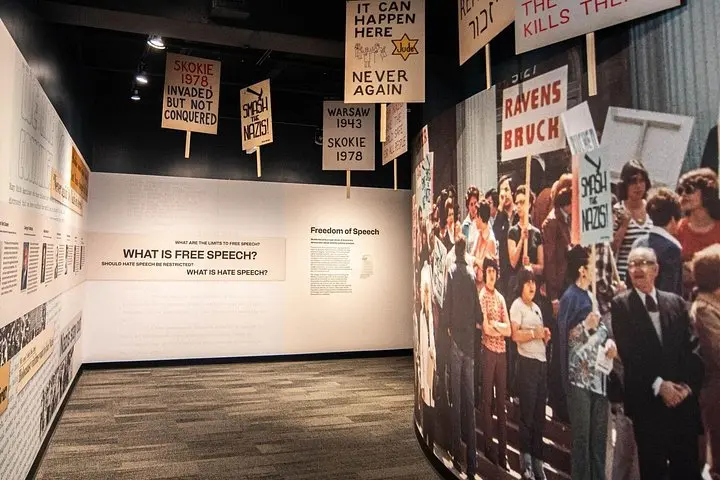
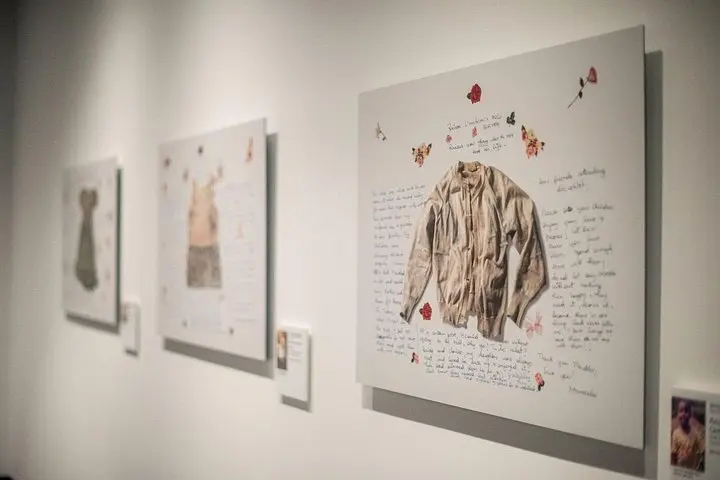
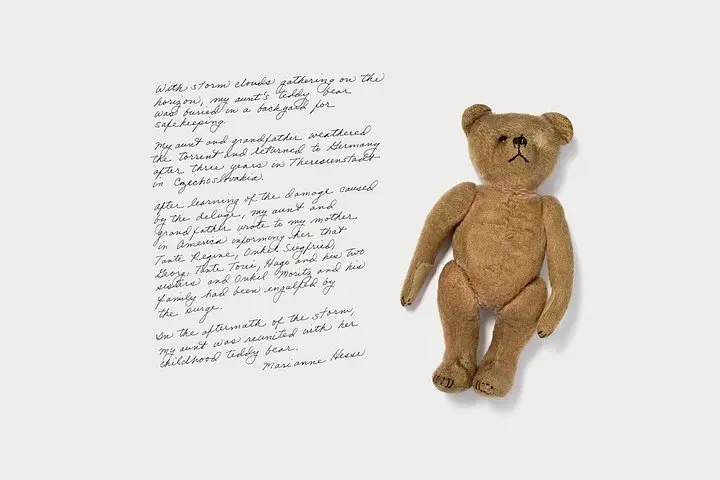
The museum grew from a Chicago-area commitment to preserve survivor testimony and to confront difficult local history. Exhibits combine standard archival materials with contemporary media: a Karkomi Foundation overview of World War II, the ITW Stories of Survival collection of objects and images, a Virtual Reality Theater that returns visitors to survivors’ childhood neighborhoods, and holographic interviews that simulate real conversations.
Expect a carefully sequenced visit: orientation, one or two theater experiences (VR and holography), and artifact galleries. The content is intense and recommended for mature visitors; it’s not recommended for children under 12. The architecture uses controlled lighting and acoustic design to keep attention on testimony and objects, and staff guide respectful interaction.
Practically, allow 60–120 minutes. Tickets are mobile or paper and should be shown at Admissions; advanced booking avoids lines for VR slots. The site is fully accessible and stroller-friendly, but some theater seats and VR setups have specific seating rules. Photography is limited in certain galleries and prohibited during holographic and VR segments—observe signage. Dress in layers for climate-controlled galleries, bring a charged phone for digital tickets, and plan a quiet debrief afterward—this visit asks for reflection as much as observation.
Plan for 60–120 minutes depending on theater schedules and how much time you spend with the artifact galleries.
Children can visit, but the museum does not recommend Experience360 for those under 12 due to the mature subject matter.
Yes—entrances, galleries, surfaces, and most theater spaces are wheelchair accessible; contact the museum for specific seating needs.
Photography rules vary by gallery—flash and tripods are prohibited, and photography is restricted during VR and holographic presentations; follow posted signage.
Illinois Holocaust Museum and Education Center operates guided outdoor trips and adventures with an emphasis on safety, stewardship, and memorable experiences.
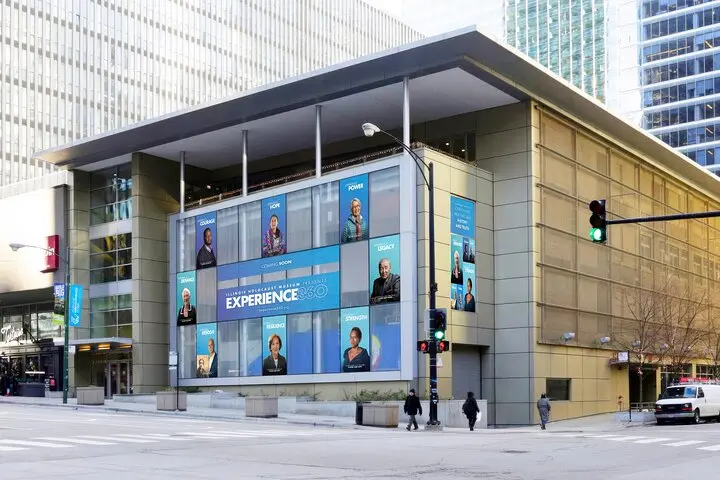
You step off Woods Drive into cool glass and quiet light; voices give way to recorded testimony and the rooms guide you from document to memory. Experience360 at the Illinois Holocaust Museum is less a passive gallery than a paced program of theaters, artifacts, and interactive technologies that place individual lives at the center of history.
You step off Woods Drive into cool glass and quiet light; voices give way to recorded testimony and the rooms guide you from document to memory. Experience360 at the Illinois Holocaust Museum is less a passive gallery than a paced program of theaters, artifacts, and interactive technologies that place individual lives at the center of history.
The museum grew from a Chicago-area commitment to preserve survivor testimony and to confront difficult local history. Exhibits combine standard archival materials with contemporary media: a Karkomi Foundation overview of World War II, the ITW Stories of Survival collection of objects and images, a Virtual Reality Theater that returns visitors to survivors’ childhood neighborhoods, and holographic interviews that simulate real conversations.
Expect a carefully sequenced visit: orientation, one or two theater experiences (VR and holography), and artifact galleries. The content is intense and recommended for mature visitors; it’s not recommended for children under 12. The architecture uses controlled lighting and acoustic design to keep attention on testimony and objects, and staff guide respectful interaction.
Practically, allow 60–120 minutes. Tickets are mobile or paper and should be shown at Admissions; advanced booking avoids lines for VR slots. The site is fully accessible and stroller-friendly, but some theater seats and VR setups have specific seating rules. Photography is limited in certain galleries and prohibited during holographic and VR segments—observe signage. Dress in layers for climate-controlled galleries, bring a charged phone for digital tickets, and plan a quiet debrief afterward—this visit asks for reflection as much as observation.