THE ADVENTURE COLLECTIVE® · Independent discovery and booking for outdoor travel

Walk Al-Balad with a guide who grew up in its lanes and learn the stories behind coral-stone houses, century-old mosques and bustling souks. This private 1–2 hour tour blends architecture, local lore and practical tips for exploring Jeddah’s UNESCO-listed old town.
Walk Al-Balad with a guide who grew up in its lanes and learn the stories behind coral-stone houses, century-old mosques and bustling souks. This private 1–2 hour tour blends architecture, local lore and practical tips for exploring Jeddah’s UNESCO-listed old town.
The narrow lanes of Al-Balad press close around you as the Red Sea breeze threads through wooden balconies and carved window screens. A local guide born in Jeddah leads the pace, pointing out coral-stone façades, latticed rawashin, and the low wooden doors that have watched generations move throughthis port city.
Verified experiences and guided adventures in the surrounding area.
Operated by Kholoud The Tour Guide · Jeddah, Makkah Province
The narrow lanes of Al-Balad press close around you as the Red Sea breeze threads through wooden balconies and carved window screens. A local guide born in Jeddah leads the pace, pointing out coral-stone façades, latticed rawashin, and the low wooden doors that have watched generations move throughthis port city.
Al-Balad is Jeddah’s original quarter — a trading hub and gateway for pilgrims since the Ottoman era. Designated a UNESCO World Heritage Site in 2014, its streets are an open ledger of migration, commerce and coastal building techniques that used coral rock and mangrove timbers. The market rhythm persists: coffee spiced with cardamom, shopkeepers negotiating over textiles, and small family-run museums preserving old photographs and manuscripts.
Culturally, the area blends Hijazi traditions with influences brought by pilgrims and merchants from Africa, South Asia and the Arabian interior. Geology is visible in the coral-stone blocks themselves; porous and sun-bleached, they weather differently than inland masonry and require specialized conservation.
Practical guidance: this private walking tour runs about 1–2 hours and is suitable for most fitness levels. Mornings and late afternoons keep temperatures manageable; wear comfortable walking shoes and carry sun protection and water. Many points are close together but uneven thresholds and narrow alleys mean mobility assistance may be limited in parts—confirm accessible routing when you book. Bring some cash for small purchases, and allow time to pause on rooftops or at a café to take in the layered cityscape.
The private tour typically lasts between 60 and 120 minutes depending on your pace and chosen stops.
The tour lists wheelchair accessibility, but some narrow alleys or historic buildings may have thresholds or stairs—confirm accessible routing when booking.
Yes—your guide can take you to the main shopping street and small museums; plan 30–45 minutes if you want time to shop or enter exhibits.
Tipping is discretionary; if you enjoyed the tour, a modest tip is appreciated and customary for private guided experiences.
Kholoud The Tour Guide operates guided outdoor trips and adventures with an emphasis on safety, stewardship, and memorable experiences.

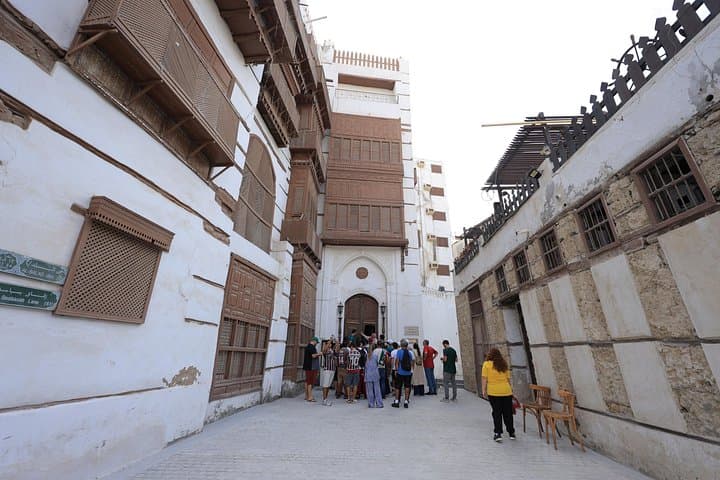


The narrow lanes of Al-Balad press close around you as the Red Sea breeze threads through wooden balconies and carved window screens. A local guide born in Jeddah leads the pace, pointing out coral-stone façades, latticed rawashin, and the low wooden doors that have watched generations move throughthis port city.
The narrow lanes of Al-Balad press close around you as the Red Sea breeze threads through wooden balconies and carved window screens. A local guide born in Jeddah leads the pace, pointing out coral-stone façades, latticed rawashin, and the low wooden doors that have watched generations move throughthis port city.
Al-Balad is Jeddah’s original quarter — a trading hub and gateway for pilgrims since the Ottoman era. Designated a UNESCO World Heritage Site in 2014, its streets are an open ledger of migration, commerce and coastal building techniques that used coral rock and mangrove timbers. The market rhythm persists: coffee spiced with cardamom, shopkeepers negotiating over textiles, and small family-run museums preserving old photographs and manuscripts.
Culturally, the area blends Hijazi traditions with influences brought by pilgrims and merchants from Africa, South Asia and the Arabian interior. Geology is visible in the coral-stone blocks themselves; porous and sun-bleached, they weather differently than inland masonry and require specialized conservation.
Practical guidance: this private walking tour runs about 1–2 hours and is suitable for most fitness levels. Mornings and late afternoons keep temperatures manageable; wear comfortable walking shoes and carry sun protection and water. Many points are close together but uneven thresholds and narrow alleys mean mobility assistance may be limited in parts—confirm accessible routing when you book. Bring some cash for small purchases, and allow time to pause on rooftops or at a café to take in the layered cityscape.