THE ADVENTURE COLLECTIVE® · Independent discovery and booking for outdoor travel

Take a full‑day trip from Riyadh to Al Ahsa to walk the weathered faces of Al Qara Hill, visit the early Jawatha Mosque ruins, and taste oasis culture among millions of date palms. This practical guide covers what to expect, why the sites matter, and how to prepare.
Take a full‑day trip from Riyadh to Al Ahsa to walk the weathered faces of Al Qara Hill, visit the early Jawatha Mosque ruins, and taste oasis culture among millions of date palms. This practical guide covers what to expect, why the sites matter, and how to prepare.
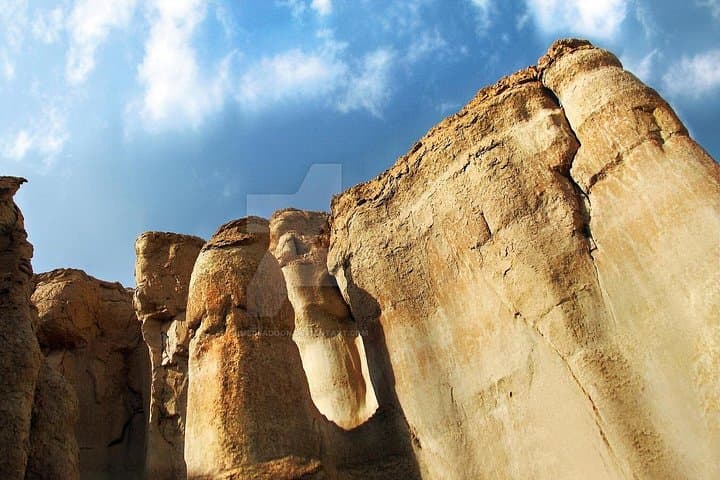
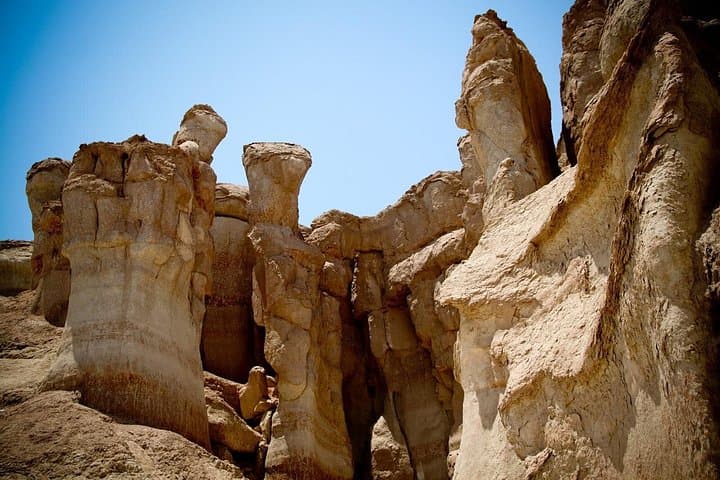
You step out of the air‑conditioned van into heat that tastes of date palms and sandstone; a low ridge of weathered rock—Al Qara Hill—cuts the skyline and draws you forward. The air here carries history: salt wind from the Gulf, the hush of palm groves, and the faint echo of prayer from villages clustered around ancient wells.
Verified experiences and guided adventures in the surrounding area.
Operated by Saudi Arabia Tours · Hofuf, Eastern Province
You step out of the air‑conditioned van into heat that tastes of date palms and sandstone; a low ridge of weathered rock—Al Qara Hill—cuts the skyline and draws you forward. The air here carries history: salt wind from the Gulf, the hush of palm groves, and the faint echo of prayer from villages clustered around ancient wells.
Al Ahsa is a living oasis, recognized by UNESCO and recently noted by Guinness as the largest self‑contained oasis in the world. Geologically, Al Qara is a small limestone massif formed through uplift and erosion over millions of years; its clefts and caves show clear bedding and wind‑smoothed faces. Culture here is palm‑centric—millions of date palms, traditional mudbrick architecture, and markets where dates and crafts trade hands as they have for generations.
Jawatha Mosque, a short drive from Hofuf, is one of eastern Arabia’s earliest mosque sites; much of the original structure now lies in ruins, but the site anchors the region’s Islamic and communal history. Nearby, Al‑Ahsa Heritage Village offers restored houses and local dishes served on low tables—food that helps explain how oasis communities thrived.
Practical guidance: expect a full 7–8 hour day with multiple short walks, some stairs and uneven ground. Bring sun protection, at least 2 liters of water, and closed‑toe shoes for limestone terraces and cave accesses. Photography is welcome but be respectful at religious sites. If you’re traveling from Riyadh, the drive is about 300 km each way—most tours include air‑conditioned transfers and an English‑speaking guide, so plan for an early start and a late return.
The full experience runs about 7–8 hours; most operators depart early morning from Riyadh to allow daylight visits and return in the evening.
Typical tours include entrance fees and round‑trip transfers by air‑conditioned van from Riyadh, as well as an English‑speaking guide.
No—the tour is rated easy and suitable for most fitness levels; you’ll do short walks, some stairs and minor uneven terrain.
Autumn through spring (October–April) offers milder temperatures; summers are very hot, so plan early starts or travel in cooler months.
Saudi Arabia Tours operates guided outdoor trips and adventures with an emphasis on safety, stewardship, and memorable experiences.
You step out of the air‑conditioned van into heat that tastes of date palms and sandstone; a low ridge of weathered rock—Al Qara Hill—cuts the skyline and draws you forward. The air here carries history: salt wind from the Gulf, the hush of palm groves, and the faint echo of prayer from villages clustered around ancient wells.
You step out of the air‑conditioned van into heat that tastes of date palms and sandstone; a low ridge of weathered rock—Al Qara Hill—cuts the skyline and draws you forward. The air here carries history: salt wind from the Gulf, the hush of palm groves, and the faint echo of prayer from villages clustered around ancient wells.
Al Ahsa is a living oasis, recognized by UNESCO and recently noted by Guinness as the largest self‑contained oasis in the world. Geologically, Al Qara is a small limestone massif formed through uplift and erosion over millions of years; its clefts and caves show clear bedding and wind‑smoothed faces. Culture here is palm‑centric—millions of date palms, traditional mudbrick architecture, and markets where dates and crafts trade hands as they have for generations.
Jawatha Mosque, a short drive from Hofuf, is one of eastern Arabia’s earliest mosque sites; much of the original structure now lies in ruins, but the site anchors the region’s Islamic and communal history. Nearby, Al‑Ahsa Heritage Village offers restored houses and local dishes served on low tables—food that helps explain how oasis communities thrived.
Practical guidance: expect a full 7–8 hour day with multiple short walks, some stairs and uneven ground. Bring sun protection, at least 2 liters of water, and closed‑toe shoes for limestone terraces and cave accesses. Photography is welcome but be respectful at religious sites. If you’re traveling from Riyadh, the drive is about 300 km each way—most tours include air‑conditioned transfers and an English‑speaking guide, so plan for an early start and a late return.