THE ADVENTURE COLLECTIVE® · Independent discovery and booking for outdoor travel

Walk the creekside courtyards of Al Shindagha Museum to trace Dubai’s transformation from pearling village to global port. This immersive visit combines restored domestic spaces, multimedia exhibits, and guided tours to make Emirati history tangible.
Walk the creekside courtyards of Al Shindagha Museum to trace Dubai’s transformation from pearling village to global port. This immersive visit combines restored domestic spaces, multimedia exhibits, and guided tours to make Emirati history tangible.
You step off the tram and the creek seems to lean toward you, its tides still marking the rhythms that built the city. Al Shindagha Museum occupies a cluster of restored courtyard houses along Dubai Creek, where the air tastes faintly of salt and solder—remnants of a port city that became a global hub.
Verified experiences and guided adventures in the surrounding area.
Operated by Dream Fly Tourism LLC · Dubai, Dubai
You step off the tram and the creek seems to lean toward you, its tides still marking the rhythms that built the city. Al Shindagha Museum occupies a cluster of restored courtyard houses along Dubai Creek, where the air tastes faintly of salt and solder—remnants of a port city that became a global hub.
The site charts Dubai’s arc from pearling and fishing village to oil-fueled metropolis. Exhibits combine original architecture with multimedia storytelling: rooms with wind towers that once cooled merchants now host immersive films explaining trade routes and urban growth. Geologically, the creek carved a shallow estuary that invited dhows and shaped settlement patterns; culturally, the neighborhood preserves Emirati domestic life, craft traditions, and the social codes that organized coastal life.
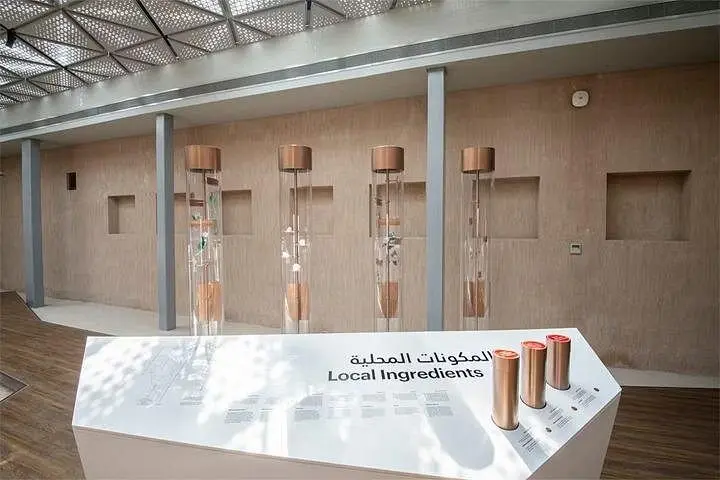
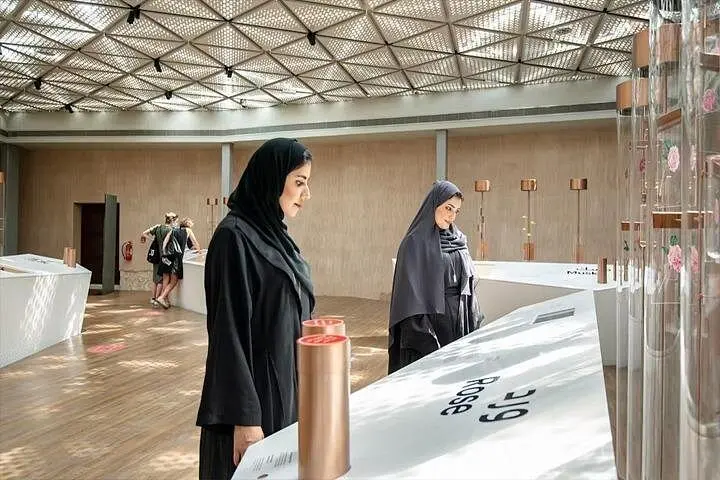
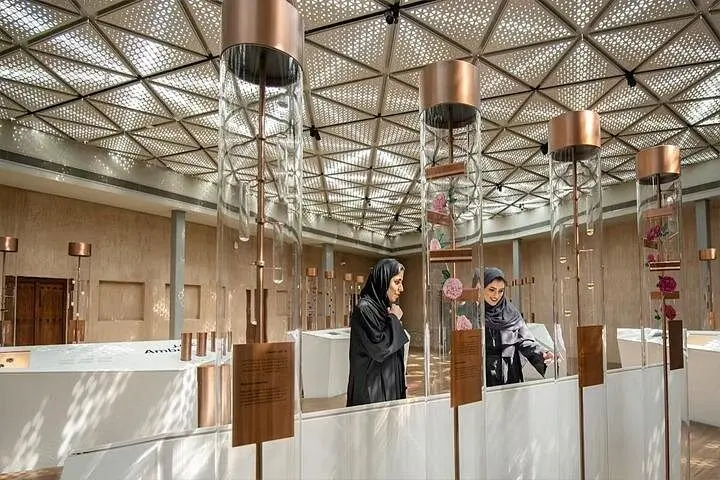
Walk the shaded alleys between courtyards to see traditional majlis spaces, restored textile and navigation displays, and rotating cultural workshops. Audio guides and scheduled English and Arabic tours clarify artifacts and local customs; signage directs visitors through the sequence that links personal histories to national development.
Practical guidance: allow 60–180 minutes depending on interest in film presentations and workshops. Midday in summer can be hot; plan indoor viewing times early or late in the day. Public transit access makes it an easy half-day add-on to Old Dubai sights like the spice souk and Al Fahidi quarter. Tickets cover admission to operational houses and multimedia experiences—Al Maktoum Residence may remain closed—so check opening notes before you go.
Most visitors spend 60–180 minutes depending on interest in films and workshops; budget extra if attending guided tours.
Yes—scheduled guided tours in English and Arabic are offered; check the daily schedule on arrival or online.
The museum is largely accessible with flat paths and ramps in many areas, but some historic houses have limited access; inquire on arrival.
Mobile or paper tickets are accepted and instant confirmation is available; advance booking is recommended during peak tourist seasons.
Dream Fly Tourism LLC operates guided outdoor trips and adventures with an emphasis on safety, stewardship, and memorable experiences.

You step off the tram and the creek seems to lean toward you, its tides still marking the rhythms that built the city. Al Shindagha Museum occupies a cluster of restored courtyard houses along Dubai Creek, where the air tastes faintly of salt and solder—remnants of a port city that became a global hub.
You step off the tram and the creek seems to lean toward you, its tides still marking the rhythms that built the city. Al Shindagha Museum occupies a cluster of restored courtyard houses along Dubai Creek, where the air tastes faintly of salt and solder—remnants of a port city that became a global hub.
The site charts Dubai’s arc from pearling and fishing village to oil-fueled metropolis. Exhibits combine original architecture with multimedia storytelling: rooms with wind towers that once cooled merchants now host immersive films explaining trade routes and urban growth. Geologically, the creek carved a shallow estuary that invited dhows and shaped settlement patterns; culturally, the neighborhood preserves Emirati domestic life, craft traditions, and the social codes that organized coastal life.
Walk the shaded alleys between courtyards to see traditional majlis spaces, restored textile and navigation displays, and rotating cultural workshops. Audio guides and scheduled English and Arabic tours clarify artifacts and local customs; signage directs visitors through the sequence that links personal histories to national development.
Practical guidance: allow 60–180 minutes depending on interest in film presentations and workshops. Midday in summer can be hot; plan indoor viewing times early or late in the day. Public transit access makes it an easy half-day add-on to Old Dubai sights like the spice souk and Al Fahidi quarter. Tickets cover admission to operational houses and multimedia experiences—Al Maktoum Residence may remain closed—so check opening notes before you go.