THE ADVENTURE COLLECTIVE® · Independent discovery and booking for outdoor travel

Board a private bus at the Alotau cruise terminal and follow the WWII routes from Wahuhuba landing to Gurney Airport. This three-hour tour pairs concise history with accessible stops ideal for cruise passengers on a tight schedule.
Board a private bus at the Alotau cruise terminal and follow the WWII routes from Wahuhuba landing to Gurney Airport. This three-hour tour pairs concise history with accessible stops ideal for cruise passengers on a tight schedule.
The bus rumbles away from the Alotau cruise terminal and within minutes you are riding the same coastal roads where soldiers once moved and combat lines formed. Sea-breezes push through open windows as the guide points out palms, low mangrove flats and the first stop: the Wahuhuba Japanese landing site, where tracks in the sand still mark an entry that shaped this coastline.
Verified experiences and guided adventures in the surrounding area.
Operated by Tumbuna Tours · Alotau, Milne Bay Province
The bus rumbles away from the Alotau cruise terminal and within minutes you are riding the same coastal roads where soldiers once moved and combat lines formed. Sea-breezes push through open windows as the guide points out palms, low mangrove flats and the first stop: the Wahuhuba Japanese landing site, where tracks in the sand still mark an entry that shaped this coastline.
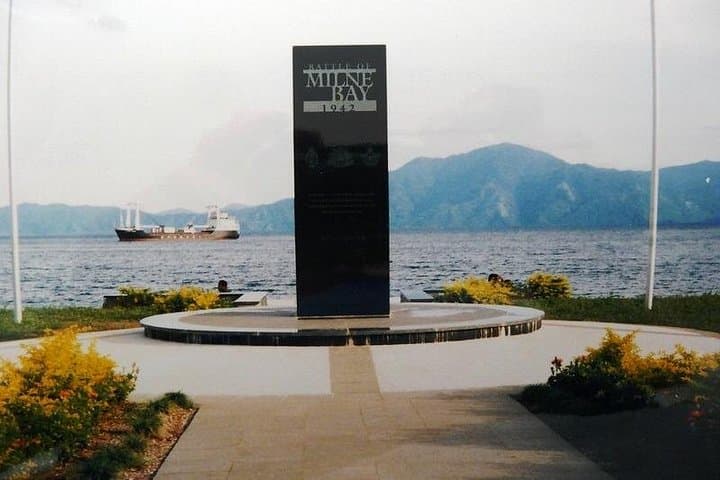
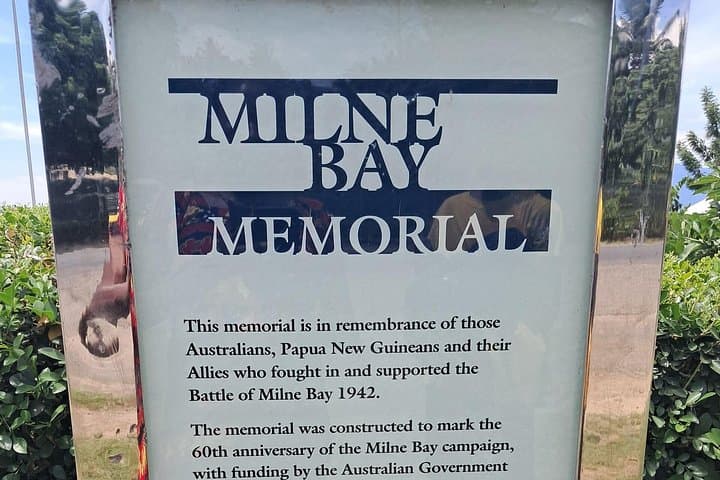
Milne Bay’s history is raw and local — the 1942 battle here was the first outright defeat of a Japanese amphibious force by Allied troops, and memorials around Alotau mark both strategy and sacrifice. Geologically the province is formed of volcanic highlands sloping to coral-fringed bays; the tour follows low-lying roads that stitch town, airfield and shoreline together. Expect fragments of local life between stops: roadside markets, corrugated churches, and homes built on stilts where sea and sky meet.
Practical guidance: the route is short and mostly on paved roads with brief on-foot visits to memorials and viewpoints. Bring sun protection and a light rain layer — weather can shift quickly. Guides typically offer historical context, pointing to artifacts, gravesites and the strategic layout around Gurney Airport where fighting intensified. For cruise passengers with limited time, the tour balances interpretation with efficient transport back to the ship. Keep identification and your cruise card handy for reboarding, and allow 10–15 minutes at each stop for photos and questions. This is a quiet, respectful tour — expect reflection as much as sightseeing.
Pickup is at the Alotau main cruise terminal; guides meet guests at disembarkation and run a pre-departure briefing before leaving.
Most stops are 10–20 minutes for photos, interpretation and short walks; the full loop including travel time is three hours.
Yes—infants must sit on an adult’s lap; the tour is rated easy with minimal walking, but parents should watch children near roads and memorial areas.
Yes, local guides provide context on the Battle of Milne Bay, point out memorials like the Corporal John French and Peter Turnbull sites, and explain the layout around Gurney Airport.
Tumbuna Tours operates guided outdoor trips and adventures with an emphasis on safety, stewardship, and memorable experiences.


The bus rumbles away from the Alotau cruise terminal and within minutes you are riding the same coastal roads where soldiers once moved and combat lines formed. Sea-breezes push through open windows as the guide points out palms, low mangrove flats and the first stop: the Wahuhuba Japanese landing site, where tracks in the sand still mark an entry that shaped this coastline.
The bus rumbles away from the Alotau cruise terminal and within minutes you are riding the same coastal roads where soldiers once moved and combat lines formed. Sea-breezes push through open windows as the guide points out palms, low mangrove flats and the first stop: the Wahuhuba Japanese landing site, where tracks in the sand still mark an entry that shaped this coastline.
Milne Bay’s history is raw and local — the 1942 battle here was the first outright defeat of a Japanese amphibious force by Allied troops, and memorials around Alotau mark both strategy and sacrifice. Geologically the province is formed of volcanic highlands sloping to coral-fringed bays; the tour follows low-lying roads that stitch town, airfield and shoreline together. Expect fragments of local life between stops: roadside markets, corrugated churches, and homes built on stilts where sea and sky meet.
Practical guidance: the route is short and mostly on paved roads with brief on-foot visits to memorials and viewpoints. Bring sun protection and a light rain layer — weather can shift quickly. Guides typically offer historical context, pointing to artifacts, gravesites and the strategic layout around Gurney Airport where fighting intensified. For cruise passengers with limited time, the tour balances interpretation with efficient transport back to the ship. Keep identification and your cruise card handy for reboarding, and allow 10–15 minutes at each stop for photos and questions. This is a quiet, respectful tour — expect reflection as much as sightseeing.