THE ADVENTURE COLLECTIVE® · Independent discovery and booking for outdoor travel

Walk through a living medieval neighborhood where mud-brick alleys open onto courtyards and views of a 10th‑century castle. This guided, 35–60 minute tour delivers history, local culture, and practical tips for visiting AlUla Old Town.
Walk through a living medieval neighborhood where mud-brick alleys open onto courtyards and views of a 10th‑century castle. This guided, 35–60 minute tour delivers history, local culture, and practical tips for visiting AlUla Old Town.
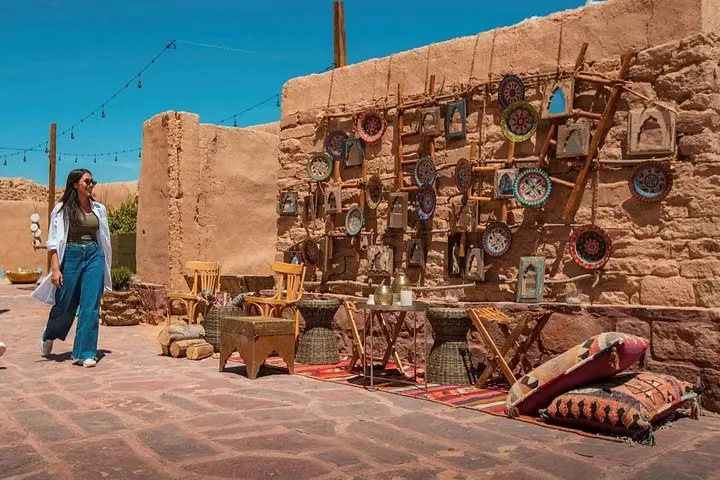
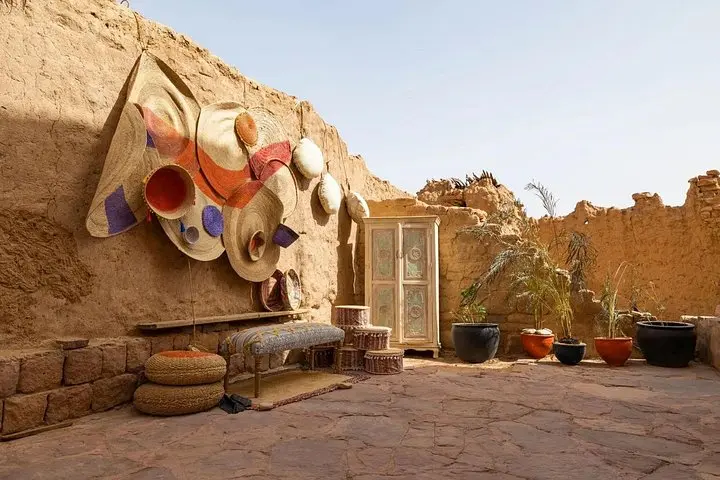
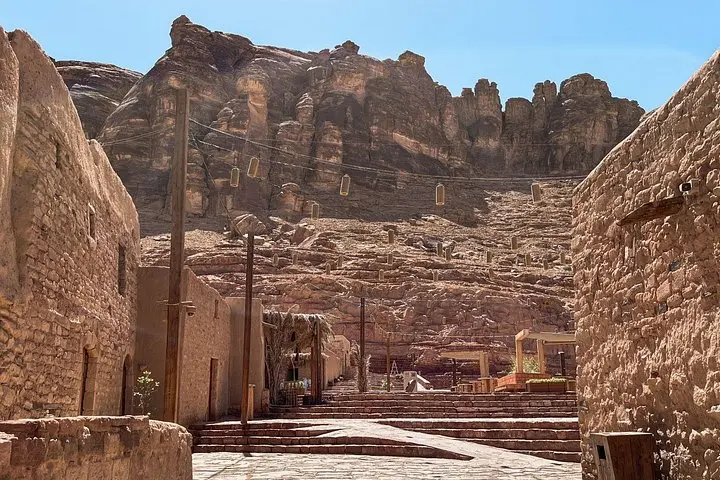
Sunlight slants into a canyon of sunbaked walls as the guide leads the group into the maze of AlUla Old Town. Narrow alleys funnel voices and spice scents, while mud-brick houses press close, their flat roofs and shuttered windows holding centuries of weather and stories.
Verified experiences and guided adventures in the surrounding area.
Operated by Golden Destination · AlUla, Al Madinah Region
Sunlight slants into a canyon of sunbaked walls as the guide leads the group into the maze of AlUla Old Town. Narrow alleys funnel voices and spice scents, while mud-brick houses press close, their flat roofs and shuttered windows holding centuries of weather and stories.
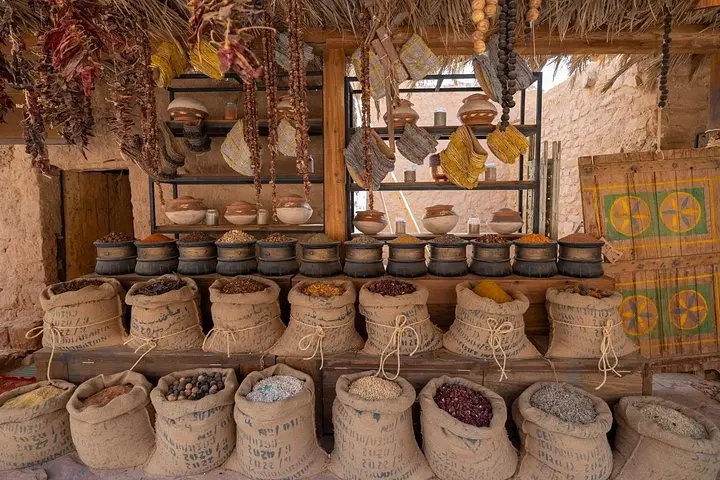
This compact settlement grew beside an ancient caravan route and expanded through the medieval period; AlUla Castle, visible above the cluster of homes, dates to roughly the 10th century and marks the town’s defensive and social heart. Geologically, the town sits amid sandstone escarpments carved by wind and episodic rain, the same rock that frames nearby tombs and outcrops. Local culture remains evident in markets where merchants sell dates, woven goods, and coffee—traditions shaped by pilgrimage routes and desert life.
On a guided hour-long circuit, visitors pass hundreds of mud-brick dwellings aligned like defensive walls, enter pocket courtyards, and hear stories about settlers, pilgrims, and the restoration efforts that earned AlUla recognition from the UN World Tourism Organization.
Practical guidance: the route is short and largely flat but paved unevenly—bring sturdy shoes and sun protection. Mornings and late afternoons are best for cooler temperatures and softer light for photography. Water and modest dress are expected in this conservative region; follow your guide in restricted zones, as some parts of the Old Town and the top of AlUla Fort are closed to the public. Expect frequent stops for interpretation; the tour is suitable for families and most fitness levels, offering a concentrated cultural encounter in under an hour.
The guided Old Town tour runs approximately 35–60 minutes depending on group pace and stops for interpretation.
Yes—some parts of the Old Town and the top of AlUla Fort are restricted to the public; your guide will indicate where entry is not permitted.
Yes, the tour is rated physically easy and infants can ride in strollers, though some alleyways are narrow or uneven and may require lifting the stroller briefly.
Lightweight, modest clothing that covers shoulders and knees is recommended, plus closed-toe shoes for uneven surfaces and sun protection.
Golden Destination operates guided outdoor trips and adventures with an emphasis on safety, stewardship, and memorable experiences.
Sunlight slants into a canyon of sunbaked walls as the guide leads the group into the maze of AlUla Old Town. Narrow alleys funnel voices and spice scents, while mud-brick houses press close, their flat roofs and shuttered windows holding centuries of weather and stories.
Sunlight slants into a canyon of sunbaked walls as the guide leads the group into the maze of AlUla Old Town. Narrow alleys funnel voices and spice scents, while mud-brick houses press close, their flat roofs and shuttered windows holding centuries of weather and stories.
This compact settlement grew beside an ancient caravan route and expanded through the medieval period; AlUla Castle, visible above the cluster of homes, dates to roughly the 10th century and marks the town’s defensive and social heart. Geologically, the town sits amid sandstone escarpments carved by wind and episodic rain, the same rock that frames nearby tombs and outcrops. Local culture remains evident in markets where merchants sell dates, woven goods, and coffee—traditions shaped by pilgrimage routes and desert life.
On a guided hour-long circuit, visitors pass hundreds of mud-brick dwellings aligned like defensive walls, enter pocket courtyards, and hear stories about settlers, pilgrims, and the restoration efforts that earned AlUla recognition from the UN World Tourism Organization.
Practical guidance: the route is short and largely flat but paved unevenly—bring sturdy shoes and sun protection. Mornings and late afternoons are best for cooler temperatures and softer light for photography. Water and modest dress are expected in this conservative region; follow your guide in restricted zones, as some parts of the Old Town and the top of AlUla Fort are closed to the public. Expect frequent stops for interpretation; the tour is suitable for families and most fitness levels, offering a concentrated cultural encounter in under an hour.