THE ADVENTURE COLLECTIVE® · Independent discovery and booking for outdoor travel

Descend into Amboni Caves on a 4–5 hour guided outing from Tanga City — a geological and cultural walk through limestone halls, nearby village life and coastal forest. Practical advice and local insights help you plan a comfortable, responsible visit.
Descend into Amboni Caves on a 4–5 hour guided outing from Tanga City — a geological and cultural walk through limestone halls, nearby village life and coastal forest. Practical advice and local insights help you plan a comfortable, responsible visit.
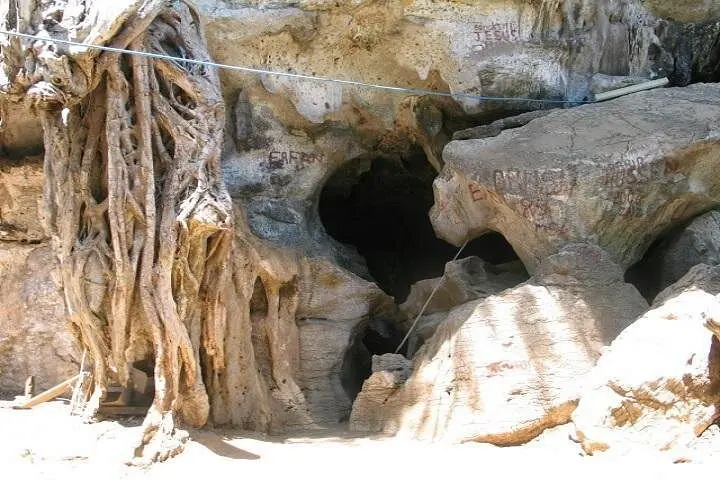
You step off the roadside into a cool, shadowed mouth of limestone; the air tightens and the distant chatter of the town is swallowed by echoing chambers. Amboni Caves, eight kilometres from Tanga on the Mombasa Road, opens like a hidden room in the coastal cliffs — passages cut by water over millennia that now guide your stride.
Verified experiences and guided adventures in the surrounding area.
Operated by Livan Cultural Tourism Enterprise-Tanzania · Tanga, Tanga Region
You step off the roadside into a cool, shadowed mouth of limestone; the air tightens and the distant chatter of the town is swallowed by echoing chambers. Amboni Caves, eight kilometres from Tanga on the Mombasa Road, opens like a hidden room in the coastal cliffs — passages cut by water over millennia that now guide your stride.
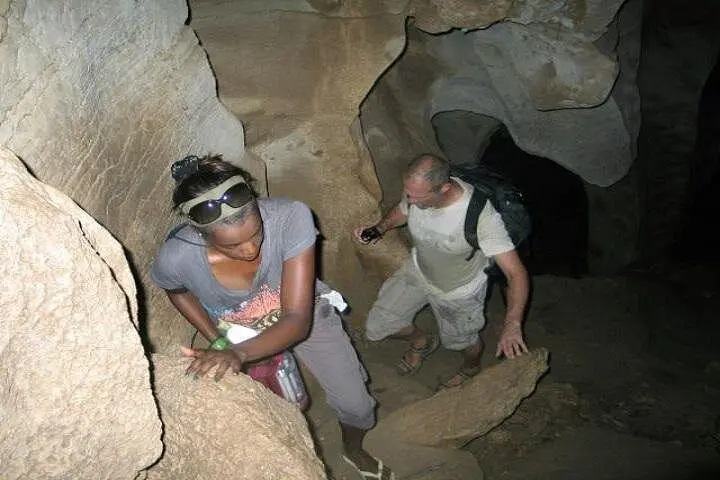
Geologically the caves are karst limestone, sculpted by groundwater into halls, columns and narrow clefts. Local guides point out chambers that were used historically for shelter and ritual, and tell stories threaded through colonial-era records and community memory. Outside, a pocket of indigenous forest hums with monkeys and forest birds; the landscape here shifts from coastal scrub to shaded ravines.
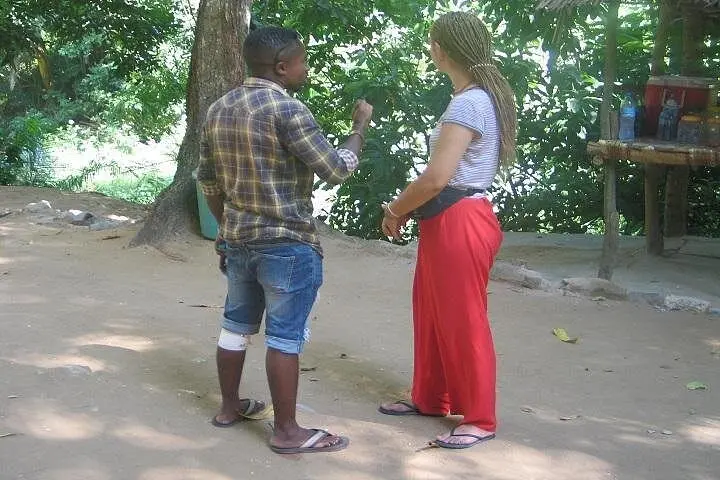
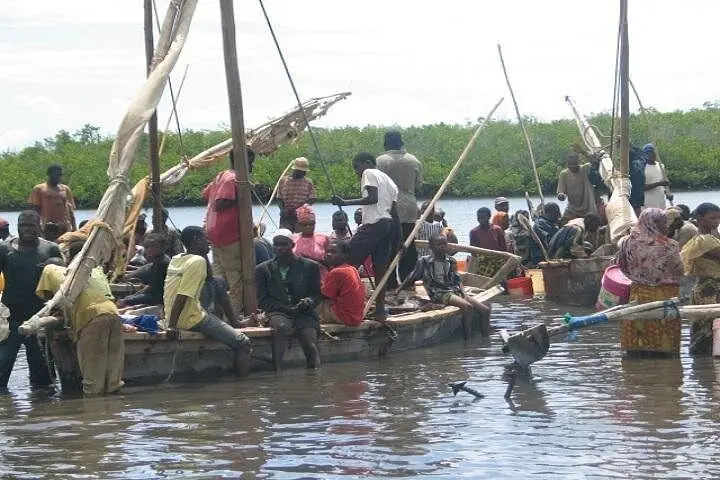
The tour routes through named compartments where guides explain past uses — storage, meetings and traditional rites — while pointing to stalactites, flowstone and the thin bands of ancient sea deposits in the rock. Cultural touches include stops in Kiomoni village to see lime-making, aggregate preparation and local brewing practices that still support the area’s economy.
Practical notes: tours run 4–5 hours from Tanga City and are accessible for most fitness levels though expect uneven ground and dim passages. Bring a headlamp or flashlight, closed-toe shoes with grip, and water. Visits are best early morning to avoid mid-day heat in the parking areas and to catch more bird activity.
Respect restricted sections, follow your guide’s instructions in fragile rooms, and carry out any trash. A short walk outside the caves rewards you with forest shade and close-up encounters with vervet monkeys and coastal birdlife.
The guided excursion is typically 4–5 hours total, including pickup, stops in Kiomoni village and time inside the caves.
Yes—most sections are accessible to families and seniors who can manage short walks and steps; check with the operator about mobility limitations.
Entrance and fees are usually included in organized tours; confirm with your provider whether local entrance fees or taxes are covered.
Tours include pickup from Tanga City; independent travelers can use public transport to the roadside and walk ~20 minutes from the main road to the cave entrance.
Livan Cultural Tourism Enterprise-Tanzania operates guided outdoor trips and adventures with an emphasis on safety, stewardship, and memorable experiences.
You step off the roadside into a cool, shadowed mouth of limestone; the air tightens and the distant chatter of the town is swallowed by echoing chambers. Amboni Caves, eight kilometres from Tanga on the Mombasa Road, opens like a hidden room in the coastal cliffs — passages cut by water over millennia that now guide your stride.
You step off the roadside into a cool, shadowed mouth of limestone; the air tightens and the distant chatter of the town is swallowed by echoing chambers. Amboni Caves, eight kilometres from Tanga on the Mombasa Road, opens like a hidden room in the coastal cliffs — passages cut by water over millennia that now guide your stride.
Geologically the caves are karst limestone, sculpted by groundwater into halls, columns and narrow clefts. Local guides point out chambers that were used historically for shelter and ritual, and tell stories threaded through colonial-era records and community memory. Outside, a pocket of indigenous forest hums with monkeys and forest birds; the landscape here shifts from coastal scrub to shaded ravines.
The tour routes through named compartments where guides explain past uses — storage, meetings and traditional rites — while pointing to stalactites, flowstone and the thin bands of ancient sea deposits in the rock. Cultural touches include stops in Kiomoni village to see lime-making, aggregate preparation and local brewing practices that still support the area’s economy.
Practical notes: tours run 4–5 hours from Tanga City and are accessible for most fitness levels though expect uneven ground and dim passages. Bring a headlamp or flashlight, closed-toe shoes with grip, and water. Visits are best early morning to avoid mid-day heat in the parking areas and to catch more bird activity.
Respect restricted sections, follow your guide’s instructions in fragile rooms, and carry out any trash. A short walk outside the caves rewards you with forest shade and close-up encounters with vervet monkeys and coastal birdlife.