THE ADVENTURE COLLECTIVE® · Independent discovery and booking for outdoor travel

Walk through centuries of coastal East African history on a full-day tour of Bagamoyo. Visit Kaole’s coral tombs, the Bagamoyo Museum, the old Boma and a local reptile sanctuary while learning the town’s layered pre-colonial and colonial stories.
Walk through centuries of coastal East African history on a full-day tour of Bagamoyo. Visit Kaole’s coral tombs, the Bagamoyo Museum, the old Boma and a local reptile sanctuary while learning the town’s layered pre-colonial and colonial stories.
A salt breeze from the Indian Ocean moves through narrow streets as the first group steps off a minibus into Bagamoyo’s sun-washed port. The town unfolds in layers: low coral-stone houses, chipped colonial facades, and the ruined tombs of Kaole standing like watchful elders on the shoreline. On a day tour here the coastline feels active—waves nudging the sand, the harbor insisting you pay attention.
Verified experiences and guided adventures in the surrounding area.
Operated by Enroute Africa · Bagamoyo, Pwani Region
A salt breeze from the Indian Ocean moves through narrow streets as the first group steps off a minibus into Bagamoyo’s sun-washed port. The town unfolds in layers: low coral-stone houses, chipped colonial facades, and the ruined tombs of Kaole standing like watchful elders on the shoreline. On a day tour here the coastline feels active—waves nudging the sand, the harbor insisting you pay attention.
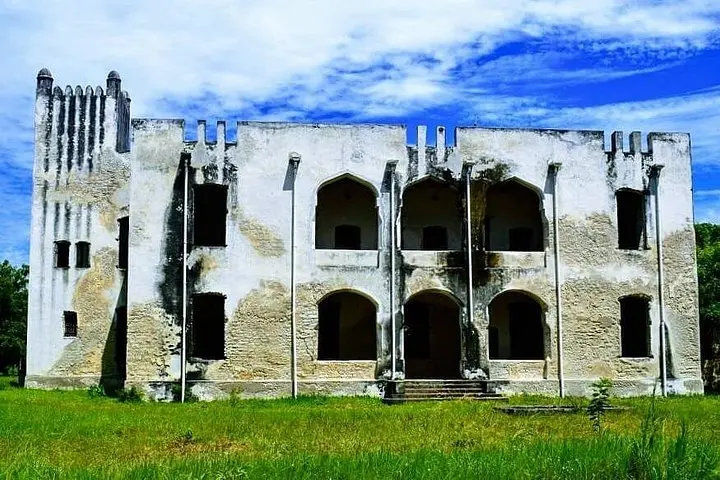
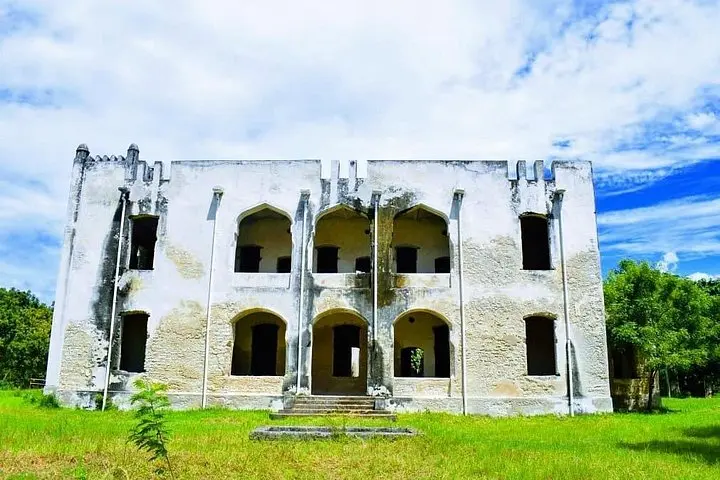
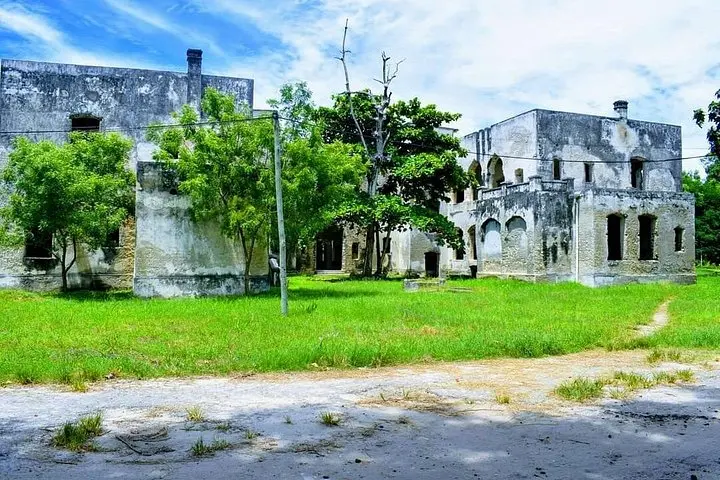
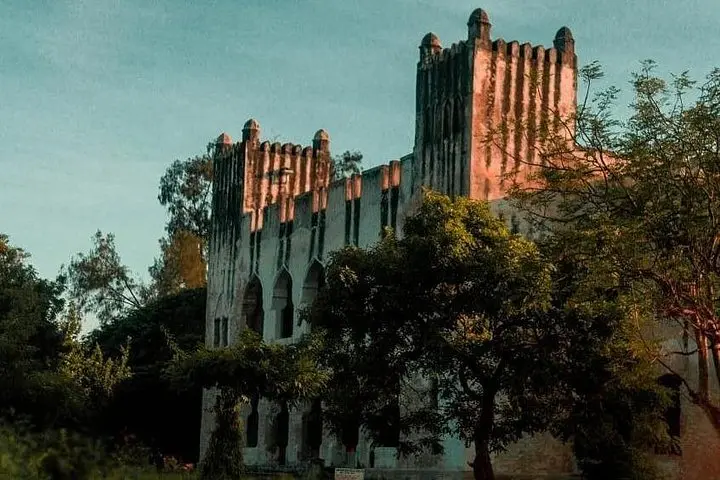
Bagamoyo’s history is blunt and complex. Origins trace back to an 8th-century Swahili settlement at Kaole; by the late 19th century it was a strategic German colonial capital and a major trade port. Visitors move between eras—exploring the Bagamoyo Museum’s exhibits on the slave trade and regional commerce, tracing Arab-era tomb architecture at Kaole, and visiting the old Boma (customs house) that maps the town’s trading past. Geologically the coast is a mix of coral rag and sandy spits; the ruins are built from coral-limestone blocks that weather unevenly under the tropical sun.
Culturally, Kiswahili rhythms still guide daily life: fishermen haul nets, market vendors call prices, and local guides narrate histories in plain terms. Practicalities matter: the full-day tour runs about 10 hours with museum entries, a midday lunch, and a short stop at a reptile sanctuary where handlers demonstrate local conservation work. Wear sturdy walking shoes for uneven coral surfaces, bring sun protection and cash for small purchases, and allow time for slow, respectful photography. For travelers based in Dar es Salaam the drive is straightforward—plan for light traffic and a relaxed pace to absorb Bagamoyo’s layered past.
The standard tour is about 10 hours and typically includes transport from a pick-up point, guided visits to Kaole Ruins, Bagamoyo Museum, the old Boma, lunch, bottled water and a stop at the reptile sanctuary.
Yes—sites are family-friendly but watch young children around uneven ruins and at the reptile sanctuary; infants must sit on laps as required by the operator.
Tours are usually booked in advance, but some operators offer day-of availability depending on season and vehicle scheduling—check confirmation type which may be instant.
Museum admissions and some site fees are often included, but small donations, optional experiences at the sanctuary, and guide or driver gratuities are typically separate.
Enroute Africa operates guided outdoor trips and adventures with an emphasis on safety, stewardship, and memorable experiences.
A salt breeze from the Indian Ocean moves through narrow streets as the first group steps off a minibus into Bagamoyo’s sun-washed port. The town unfolds in layers: low coral-stone houses, chipped colonial facades, and the ruined tombs of Kaole standing like watchful elders on the shoreline. On a day tour here the coastline feels active—waves nudging the sand, the harbor insisting you pay attention.
A salt breeze from the Indian Ocean moves through narrow streets as the first group steps off a minibus into Bagamoyo’s sun-washed port. The town unfolds in layers: low coral-stone houses, chipped colonial facades, and the ruined tombs of Kaole standing like watchful elders on the shoreline. On a day tour here the coastline feels active—waves nudging the sand, the harbor insisting you pay attention.
Bagamoyo’s history is blunt and complex. Origins trace back to an 8th-century Swahili settlement at Kaole; by the late 19th century it was a strategic German colonial capital and a major trade port. Visitors move between eras—exploring the Bagamoyo Museum’s exhibits on the slave trade and regional commerce, tracing Arab-era tomb architecture at Kaole, and visiting the old Boma (customs house) that maps the town’s trading past. Geologically the coast is a mix of coral rag and sandy spits; the ruins are built from coral-limestone blocks that weather unevenly under the tropical sun.
Culturally, Kiswahili rhythms still guide daily life: fishermen haul nets, market vendors call prices, and local guides narrate histories in plain terms. Practicalities matter: the full-day tour runs about 10 hours with museum entries, a midday lunch, and a short stop at a reptile sanctuary where handlers demonstrate local conservation work. Wear sturdy walking shoes for uneven coral surfaces, bring sun protection and cash for small purchases, and allow time for slow, respectful photography. For travelers based in Dar es Salaam the drive is straightforward—plan for light traffic and a relaxed pace to absorb Bagamoyo’s layered past.