THE ADVENTURE COLLECTIVE® · Independent discovery and booking for outdoor travel

Skip the queues and walk the streets of Rome’s ancient port on a private half-day tour. See mosaics, baths and the forum while a local guide explains how geology and commerce shaped this once-busy harbor.
Skip the queues and walk the streets of Rome’s ancient port on a private half-day tour. See mosaics, baths and the forum while a local guide explains how geology and commerce shaped this once-busy harbor.
You meet at the Ostia Antica ticket office, step past the line, and the city opens like a map folded decades ago.
Verified experiences and guided adventures in the surrounding area.
Operated by Best of Rome Tours · Ostia Antica, Lazio
You meet at the Ostia Antica ticket office, step past the line, and the city opens like a map folded decades ago.
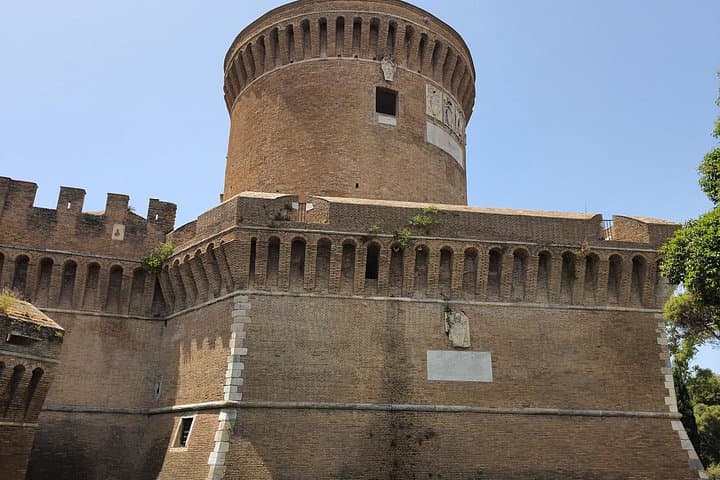
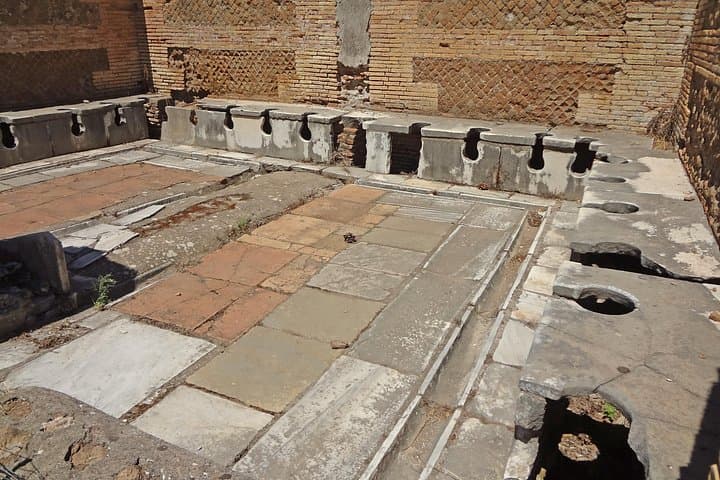
Streets cut at right angles, stone thresholds worn by sandals, and a theater that still holds the hush of an audience long gone. Your guide threads stories through the ruins—the Baths of Neptune with their black-and-white mosaics, the Forum where merchants bargained, the Square of the Guilds with its merchant inscriptions—each structure a practical chapter in a port city’s life.
Geology and history explain the silence: an alluvial plain and a shifting Tiber slowly pushed the shoreline seaward, turning a bustling harbor into a ghost town by the Middle Ages. Founded in the Republican period and flourishing in imperial times, Ostia functioned as Rome’s logistics hub—warehouses, bakeries, and shipyards once pulsed here.
On a half-day tour you’ll cover roughly 2 km of easy walking across cobbles and compacted earth; terrain is mostly flat but uneven underfoot. Expect three hours of paced exploration with stops to examine mosaics and step inside reconstructed homes.
Practical edge: morning or late afternoon tours avoid mid-day heat and bring a sun hat, refillable water bottle and sensible shoes—mosaics are fragile, so keep to marked paths and follow your guide. Public transport links from Rome are frequent; the site has basic facilities and a small museum. This private, skip-the-line visit blends archaeology with logistics—seeing how an empire moved goods, people and ideas across a changing coastline.
Take the regional train (Roma-Pomezia line) to Ostia Antica station or a direct regional service; the site is a short walk from the station or accessible by local buses.
Yes—infants may use strollers on some paths but certain areas have uneven ground; the operator notes infants must sit on laps in crowded spots.
Basic facilities and a small café/museum shop are on site, but bring water and snacks if you prefer more options.
Photography for personal use is generally allowed, but avoid flash on fragile mosaics and follow any site-specific restrictions explained by your guide.
Best of Rome Tours operates guided outdoor trips and adventures with an emphasis on safety, stewardship, and memorable experiences.


You meet at the Ostia Antica ticket office, step past the line, and the city opens like a map folded decades ago.
You meet at the Ostia Antica ticket office, step past the line, and the city opens like a map folded decades ago.
Streets cut at right angles, stone thresholds worn by sandals, and a theater that still holds the hush of an audience long gone. Your guide threads stories through the ruins—the Baths of Neptune with their black-and-white mosaics, the Forum where merchants bargained, the Square of the Guilds with its merchant inscriptions—each structure a practical chapter in a port city’s life.
Geology and history explain the silence: an alluvial plain and a shifting Tiber slowly pushed the shoreline seaward, turning a bustling harbor into a ghost town by the Middle Ages. Founded in the Republican period and flourishing in imperial times, Ostia functioned as Rome’s logistics hub—warehouses, bakeries, and shipyards once pulsed here.
On a half-day tour you’ll cover roughly 2 km of easy walking across cobbles and compacted earth; terrain is mostly flat but uneven underfoot. Expect three hours of paced exploration with stops to examine mosaics and step inside reconstructed homes.
Practical edge: morning or late afternoon tours avoid mid-day heat and bring a sun hat, refillable water bottle and sensible shoes—mosaics are fragile, so keep to marked paths and follow your guide. Public transport links from Rome are frequent; the site has basic facilities and a small museum. This private, skip-the-line visit blends archaeology with logistics—seeing how an empire moved goods, people and ideas across a changing coastline.