THE ADVENTURE COLLECTIVE® · Independent discovery and booking for outdoor travel

Walk the perimeter of Anfield with a private guide who maps stadium lore onto Liverpool’s maritime streets. Expect statues, memorials, the Sandon pub and practical tips for navigating match-day crowds.
Walk the perimeter of Anfield with a private guide who maps stadium lore onto Liverpool’s maritime streets. Expect statues, memorials, the Sandon pub and practical tips for navigating match-day crowds.
You step off the tram and the air tastes of salt and warm pavement; the street hum narrows, then opens onto Anfield’s red-brick façade and the sight of the Kop rising like a folded flag. The guide leads you around the exterior—statues, memorial plaques, the banners flapping—while the stadium itself seems to watch the city back.
Verified experiences and guided adventures in the surrounding area.
Operated by John O. · Liverpool, Merseyside
You step off the tram and the air tastes of salt and warm pavement; the street hum narrows, then opens onto Anfield’s red-brick façade and the sight of the Kop rising like a folded flag. The guide leads you around the exterior—statues, memorial plaques, the banners flapping—while the stadium itself seems to watch the city back.
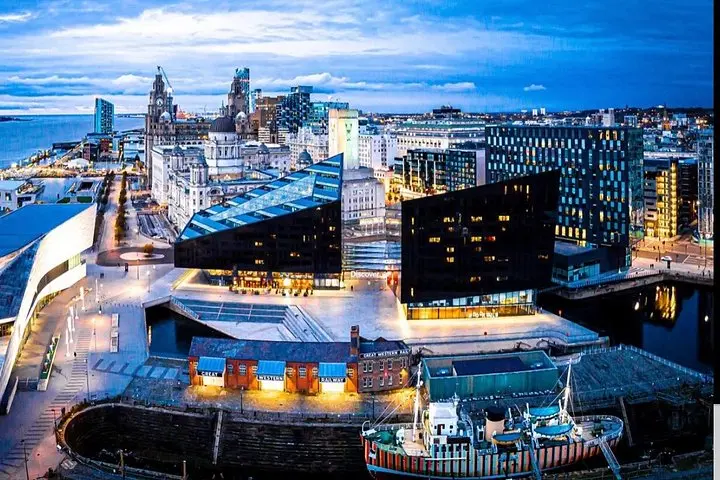
Liverpool’s story is maritime and musical as much as it is sporting. Anfield opened in 1884 and became home to Liverpool FC in 1892; around it the docks and warehouses of the Mersey molded neighborhoods whose working-class energy birthed both industry and fandom. Geologically, this is a coastal plain where reclaimed docklands meet older sandstone outcrops — a city shaped by tides, trade and transport.
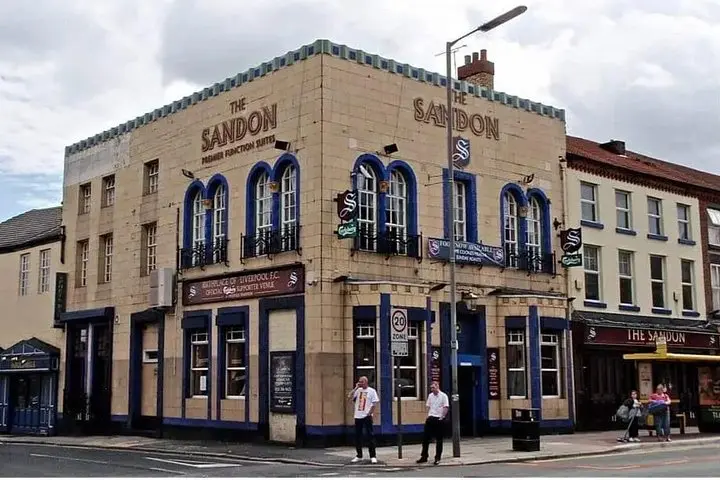
Culturally, the tour threads football lore with local life: the Sandon pub where fans once gathered, the club shop where replica scarves are pressed into hands, and the memorials to managers and players that anchor community memory. Expect urban textures — brick alleys, tiled pubs, and the occasional choir practicing on a street corner.
Practically, the walk is low-impact and mainly on paved surfaces, taking about 3–3.5 hours. Wear stout shoes, bring a compact rain layer, and plan for crowds on match days when access around the stadium can be limited. Photography and souvenir hunting are built into the route; if you want to enter the stadium interior, check stadium tour availability and book separately. This private option keeps the pace flexible and geared to questions — a concise, history-rich way to read Liverpool through one of its most storied sites.
No—this private walking tour focuses on the exterior, memorials and nearby cultural stops; interior stadium tours must be booked separately through the club when available.
Yes: the tour notes indicate wheelchair and stroller accessibility with mostly paved routes; confirm any specific mobility needs with the operator before booking.
Basic refreshments like coffee or tea may be offered per the inclusion list, but plan to buy food at local pubs or cafes—The Sandon is a common stop.
Meeting and pickup details are requested at booking; the tour operator can coordinate a nearby public transit stop or curated pickup point if specified in advance.
John O. operates guided outdoor trips and adventures with an emphasis on safety, stewardship, and memorable experiences.
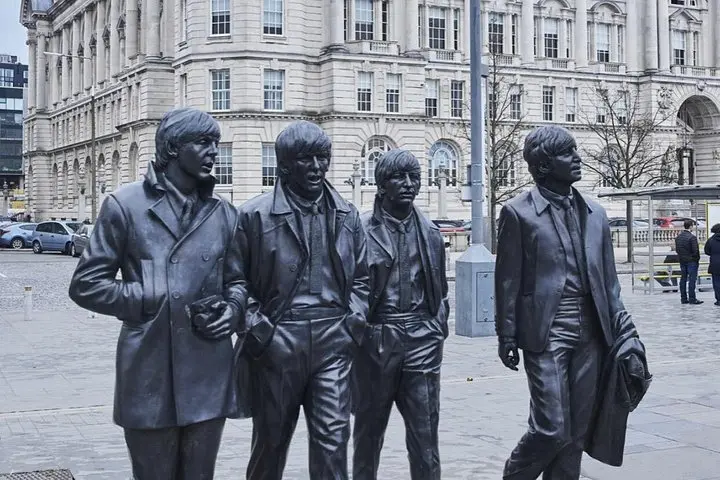

You step off the tram and the air tastes of salt and warm pavement; the street hum narrows, then opens onto Anfield’s red-brick façade and the sight of the Kop rising like a folded flag. The guide leads you around the exterior—statues, memorial plaques, the banners flapping—while the stadium itself seems to watch the city back.
You step off the tram and the air tastes of salt and warm pavement; the street hum narrows, then opens onto Anfield’s red-brick façade and the sight of the Kop rising like a folded flag. The guide leads you around the exterior—statues, memorial plaques, the banners flapping—while the stadium itself seems to watch the city back.
Liverpool’s story is maritime and musical as much as it is sporting. Anfield opened in 1884 and became home to Liverpool FC in 1892; around it the docks and warehouses of the Mersey molded neighborhoods whose working-class energy birthed both industry and fandom. Geologically, this is a coastal plain where reclaimed docklands meet older sandstone outcrops — a city shaped by tides, trade and transport.
Culturally, the tour threads football lore with local life: the Sandon pub where fans once gathered, the club shop where replica scarves are pressed into hands, and the memorials to managers and players that anchor community memory. Expect urban textures — brick alleys, tiled pubs, and the occasional choir practicing on a street corner.
Practically, the walk is low-impact and mainly on paved surfaces, taking about 3–3.5 hours. Wear stout shoes, bring a compact rain layer, and plan for crowds on match days when access around the stadium can be limited. Photography and souvenir hunting are built into the route; if you want to enter the stadium interior, check stadium tour availability and book separately. This private option keeps the pace flexible and geared to questions — a concise, history-rich way to read Liverpool through one of its most storied sites.