THE ADVENTURE COLLECTIVE® · Independent discovery and booking for outdoor travel

Spend a private day moving through one of Sri Lanka’s oldest capitals: towering stupas, serene bodhi trees and engineered reservoirs. This private tour pairs efficient transport with guided stops so you can see the highlights without the logistical hassle.
Spend a private day moving through one of Sri Lanka’s oldest capitals: towering stupas, serene bodhi trees and engineered reservoirs. This private tour pairs efficient transport with guided stops so you can see the highlights without the logistical hassle.
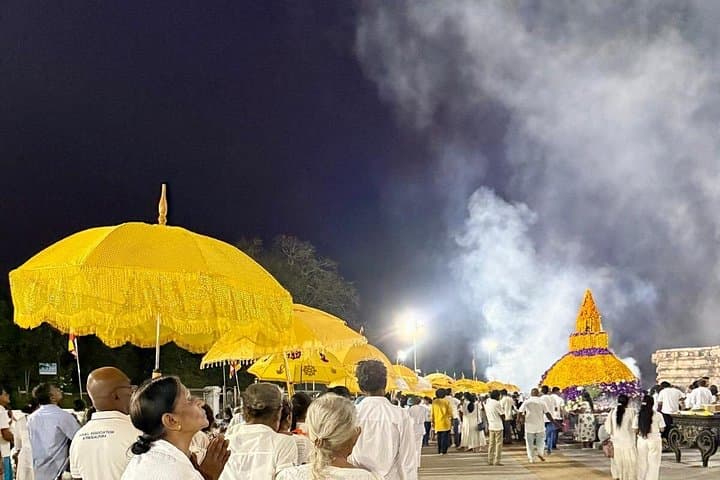
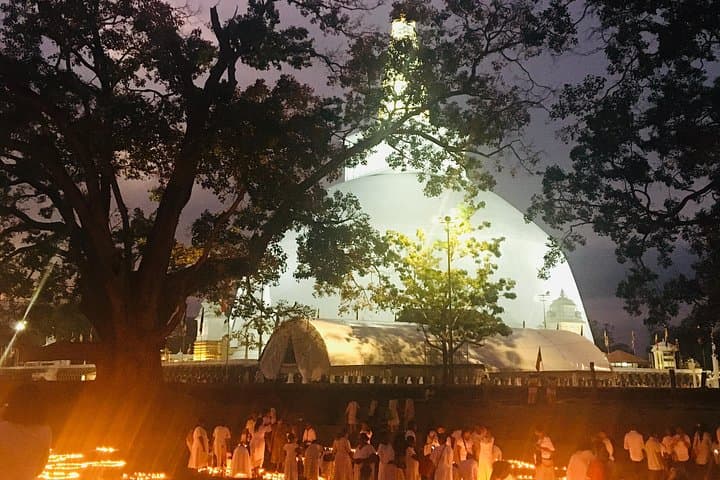
You step out of the vehicle onto cracked laterite and the air smells of dry earth and incense. The first view is a low, domed silhouette—Ruwanwelisaya—its whitewashed belly catching the sun while pilgrims move around it in steady, respectful circles. Dust rises from the service road; temple bells and distant chanting mark time here more than clocks.
Verified experiences and guided adventures in the surrounding area.
Operated by Safe Lanka Tours · Anuradhapura, North Central Province
You step out of the vehicle onto cracked laterite and the air smells of dry earth and incense. The first view is a low, domed silhouette—Ruwanwelisaya—its whitewashed belly catching the sun while pilgrims move around it in steady, respectful circles. Dust rises from the service road; temple bells and distant chanting mark time here more than clocks.
Anuradhapura was Sri Lanka’s first major capital, flourishing from the 4th century BCE as a center of Theravada Buddhism and hydraulic engineering. Massive stupas, monastic blocks and stone-carved moonstones tell a civic story of kings, monks and irrigation masters who ringed cities with reservoirs and channels—the earth here remembers water as strategy.
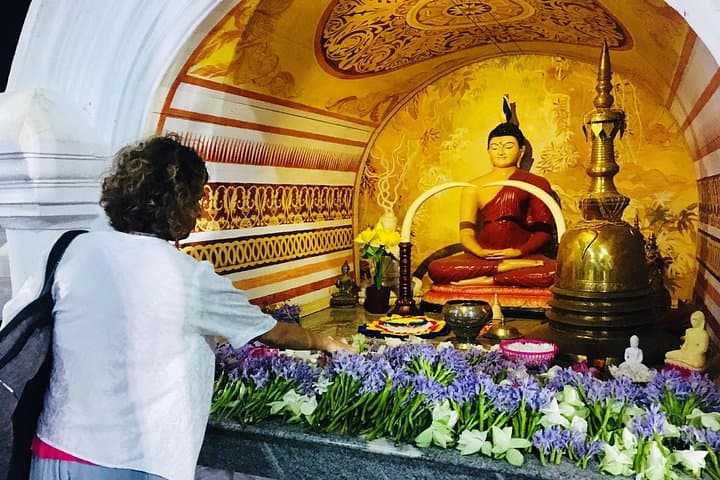
Culture is visible in small rituals: offerings at the Jaya Sri Maha Bodhi, caretaking of the sacred fig, and the careful removal of shoes at temple steps. The geology is simple—flat ancient floodplain soils punctured by brick and stone monuments—so lines of sight remain long and dry.
Practical guidance: a private five-hour loop gives time for key sites—Isurumuniya, Thuparamaya, Abhayagiriya, Kuttam Pokuna—without rushing. Start early to avoid midday heat; wear closed walking shoes for uneven stone and long paths. Modest dress is required at temple sites (shoulders and knees covered) and leave sacred areas quiet. Bring a refillable water bottle—the tour supplies bottled water but refills reduce plastic—and a hat for sun. Photography is welcome at most outdoor sites but follow signs inside shrines.
This day tour is low-impact walking with historical depth, ideal for travelers who want concentrated cultural context and local insights without navigating the spread-out monuments on their own.
Entrance fees are typically not included in private tour pricing—confirm with the operator; bring local currency for site tickets.
Many principal sites have level approaches, but some stupas and interior areas have steps; ask the operator about full accessibility options.
Outdoor photography is generally allowed; however, follow posted rules and avoid photographing devotees during private rituals. Some indoor shrines restrict cameras.
Tipping is discretionary but customary; small cash tips appreciated for good service—roughly the equivalent of a few U.S. dollars per person for the guide and driver.
Safe Lanka Tours operates guided outdoor trips and adventures with an emphasis on safety, stewardship, and memorable experiences.
You step out of the vehicle onto cracked laterite and the air smells of dry earth and incense. The first view is a low, domed silhouette—Ruwanwelisaya—its whitewashed belly catching the sun while pilgrims move around it in steady, respectful circles. Dust rises from the service road; temple bells and distant chanting mark time here more than clocks.
You step out of the vehicle onto cracked laterite and the air smells of dry earth and incense. The first view is a low, domed silhouette—Ruwanwelisaya—its whitewashed belly catching the sun while pilgrims move around it in steady, respectful circles. Dust rises from the service road; temple bells and distant chanting mark time here more than clocks.
Anuradhapura was Sri Lanka’s first major capital, flourishing from the 4th century BCE as a center of Theravada Buddhism and hydraulic engineering. Massive stupas, monastic blocks and stone-carved moonstones tell a civic story of kings, monks and irrigation masters who ringed cities with reservoirs and channels—the earth here remembers water as strategy.
Culture is visible in small rituals: offerings at the Jaya Sri Maha Bodhi, caretaking of the sacred fig, and the careful removal of shoes at temple steps. The geology is simple—flat ancient floodplain soils punctured by brick and stone monuments—so lines of sight remain long and dry.
Practical guidance: a private five-hour loop gives time for key sites—Isurumuniya, Thuparamaya, Abhayagiriya, Kuttam Pokuna—without rushing. Start early to avoid midday heat; wear closed walking shoes for uneven stone and long paths. Modest dress is required at temple sites (shoulders and knees covered) and leave sacred areas quiet. Bring a refillable water bottle—the tour supplies bottled water but refills reduce plastic—and a hat for sun. Photography is welcome at most outdoor sites but follow signs inside shrines.
This day tour is low-impact walking with historical depth, ideal for travelers who want concentrated cultural context and local insights without navigating the spread-out monuments on their own.