THE ADVENTURE COLLECTIVE® · Independent discovery and booking for outdoor travel

Walk among stupas, ancient reservoirs and sacred bodhi trees on a private guided tour of Anuradhapura. This 3–5 hour experience pairs archaeological context with practical route planning to make the ancient capital accessible.
Walk among stupas, ancient reservoirs and sacred bodhi trees on a private guided tour of Anuradhapura. This 3–5 hour experience pairs archaeological context with practical route planning to make the ancient capital accessible.
The morning light in Anuradhapura falls broad and unapologetic across open plains, waking stonework that has held ceremony for two millennia. On a private guided tour you move with purpose between stupas and bathing tanks, the guide pointing out carved moonstones and the slow breath of the sacred Bodhi tree as pilgrims pause to murmur.
Verified experiences and guided adventures in the surrounding area.
Operated by Vogel Tours Srilanka · Anuradhapura, North Central Province
The morning light in Anuradhapura falls broad and unapologetic across open plains, waking stonework that has held ceremony for two millennia. On a private guided tour you move with purpose between stupas and bathing tanks, the guide pointing out carved moonstones and the slow breath of the sacred Bodhi tree as pilgrims pause to murmur.
Anuradhapura was Sri Lanka’s first capital and a hydraulic powerhouse: massive reservoirs and stone-lined ponds reflect an engineering culture that sustained cities here from the 4th century BCE. The Ruwanwelisaya and Jetavanaramaya stupas dominate the skyline, while monastic complexes such as Abhayagiri hint at centuries of Buddhist scholarship and cross-cultural exchange.
Geologically the plain is flat, built on ancient alluvial soils that made large tanks possible; culturally the city remains active — keep in mind many sites are functioning religious places, so modest dress and quiet respect are expected. A private guide condenses context: kingly inscriptions, moonstone symbolism, and why irrigation remains central to local identity.
Practical guidance: start early to avoid midday heat, wear light, sun-protective clothing and comfortable walking shoes that are easy to remove at temple entrances. Carry 1–2 liters of water, a hat, and a compact rain layer in shoulder seasons. Expect 3–5 hours of mostly flat walking on packed earth, stone pavements and stair sections; brief stops at museums and ponds are common. With a private vehicle option for small groups, this itinerary balances paced exploration with focused storytelling — ideal for travelers who want depth without the rush.
Admission to archaeological sites is often paid locally and may not be included unless specified; confirm with the operator before booking.
Yes — shoes must be removed at many temples and shrine areas; wear socks or bring easy-to-remove footwear for convenience.
Yes — the tour is rated easy and suitable for most fitness levels, though there is walking on uneven surfaces and some steps to navigate.
Private guides commonly offer English and may provide other languages on request; check availability when booking.
Vogel Tours Srilanka operates guided outdoor trips and adventures with an emphasis on safety, stewardship, and memorable experiences.
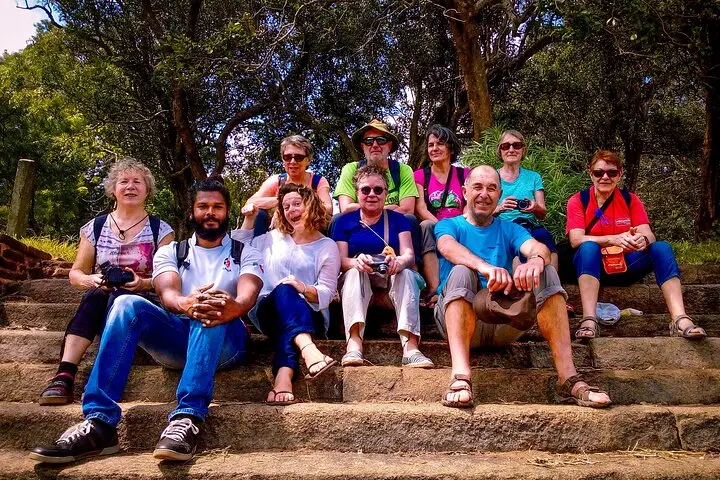
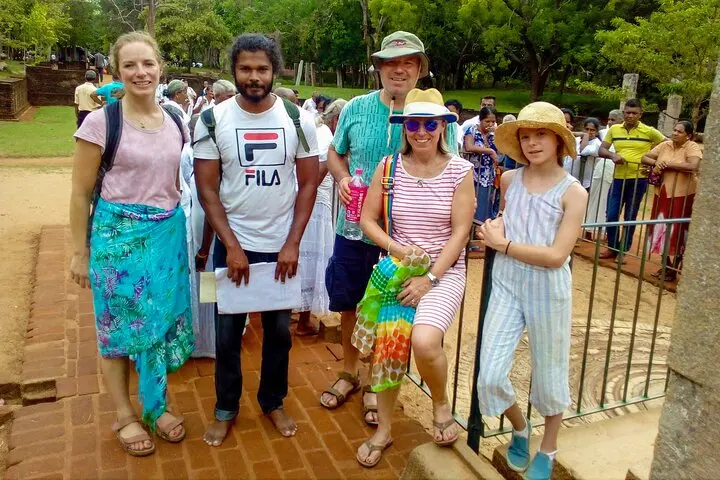
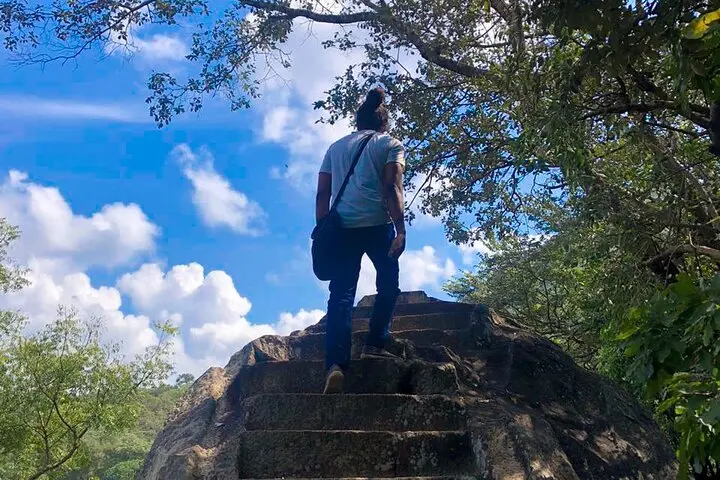
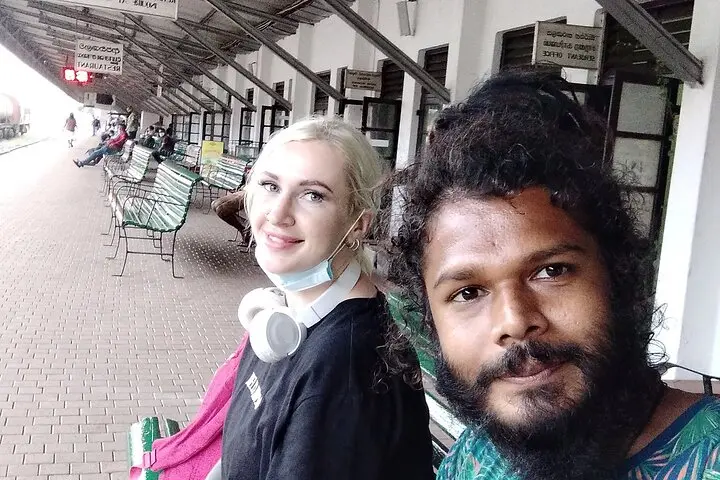
The morning light in Anuradhapura falls broad and unapologetic across open plains, waking stonework that has held ceremony for two millennia. On a private guided tour you move with purpose between stupas and bathing tanks, the guide pointing out carved moonstones and the slow breath of the sacred Bodhi tree as pilgrims pause to murmur.
The morning light in Anuradhapura falls broad and unapologetic across open plains, waking stonework that has held ceremony for two millennia. On a private guided tour you move with purpose between stupas and bathing tanks, the guide pointing out carved moonstones and the slow breath of the sacred Bodhi tree as pilgrims pause to murmur.
Anuradhapura was Sri Lanka’s first capital and a hydraulic powerhouse: massive reservoirs and stone-lined ponds reflect an engineering culture that sustained cities here from the 4th century BCE. The Ruwanwelisaya and Jetavanaramaya stupas dominate the skyline, while monastic complexes such as Abhayagiri hint at centuries of Buddhist scholarship and cross-cultural exchange.
Geologically the plain is flat, built on ancient alluvial soils that made large tanks possible; culturally the city remains active — keep in mind many sites are functioning religious places, so modest dress and quiet respect are expected. A private guide condenses context: kingly inscriptions, moonstone symbolism, and why irrigation remains central to local identity.
Practical guidance: start early to avoid midday heat, wear light, sun-protective clothing and comfortable walking shoes that are easy to remove at temple entrances. Carry 1–2 liters of water, a hat, and a compact rain layer in shoulder seasons. Expect 3–5 hours of mostly flat walking on packed earth, stone pavements and stair sections; brief stops at museums and ponds are common. With a private vehicle option for small groups, this itinerary balances paced exploration with focused storytelling — ideal for travelers who want depth without the rush.