
Explore Armenia’s UNESCO Treasures: Echmiadzin, Zvartnots, Geghard, Haghpat & Sanahin
A two-day private tour that connects Yerevan with Armenia’s principal UNESCO sites—Echmiadzin, Zvartnots, Geghard, Haghpat and Sanahin. Expect moderate walking, dramatic stonework, and in-depth local guides who bring centuries of history into view.
An Adventure In Yerevan.
A two-day private tour that connects Yerevan with Armenia’s principal UNESCO sites—Echmiadzin, Zvartnots, Geghard, Haghpat and Sanahin. Expect moderate walking, dramatic stonework, and in-depth local guides who bring centuries of history into view.
Read the full experience
You step from a private van into light that seems to sharpen stone—white tufa churches catching sun against wide Armenian sky. The tour threads from Yerevan’s urban hum out to the lowlands around Echmiadzin, then climbs into the green, cliff-cut silence of the Lori highlands where Haghpat and Sanahin hold their carved facades like pages from a medieval ledger.
You step from a private van into light that seems to sharpen stone—white tufa churches catching sun against wide Armenian sky. The tour threads from Yerevan’s urban hum out to the lowlands around Echmiadzin, then climbs into the green, cliff-cut silence of the Lori highlands where Haghpat and Sanahin hold their carved facades like pages from a medieval ledger.
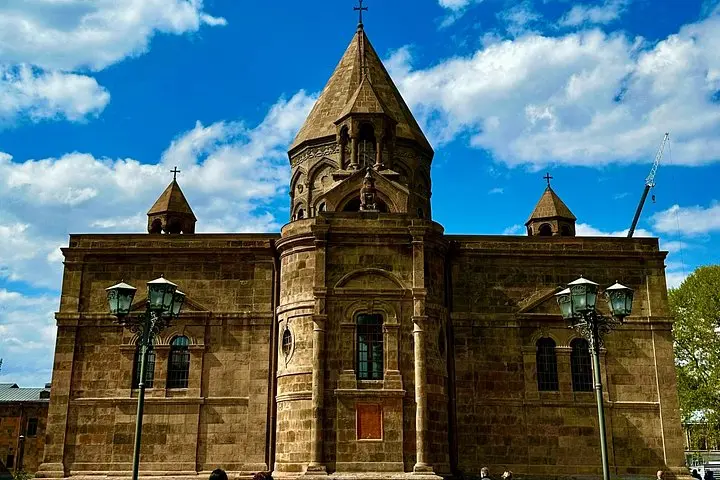
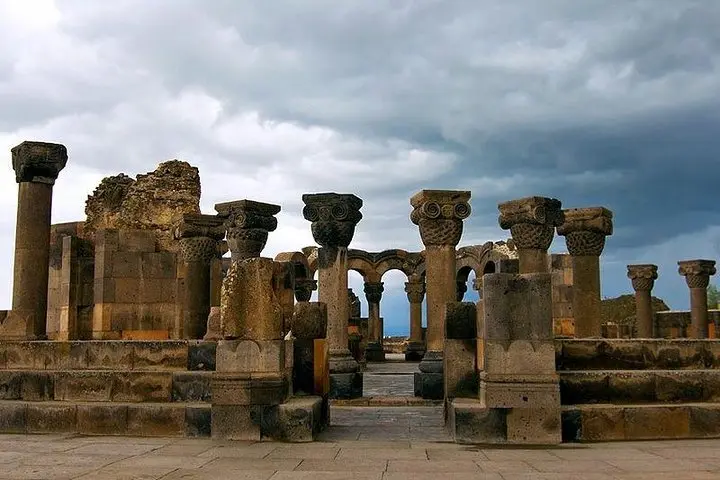
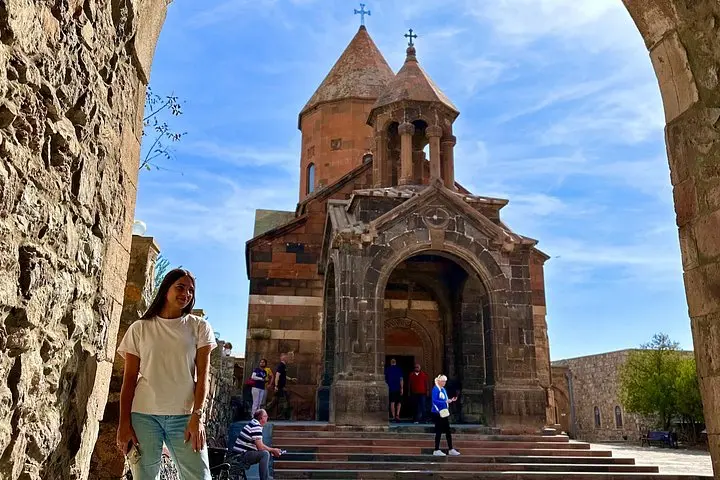
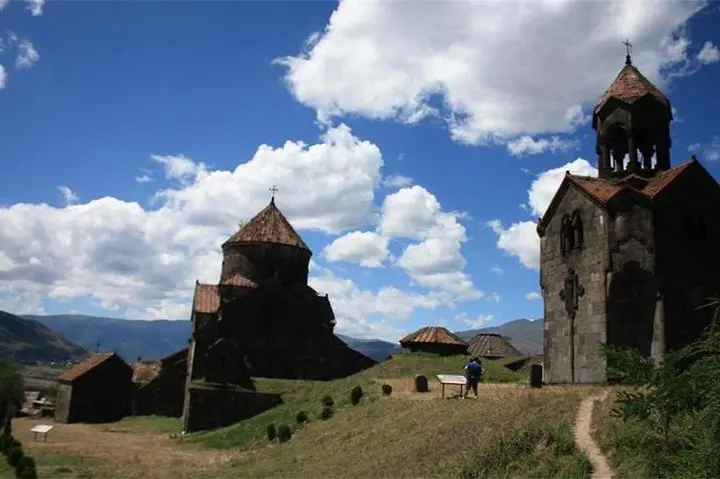
These sites map Armenia’s role as one of the first Christian nations: Echmiadzin (Vagharshapat) houses the Mother Cathedral and relics tied to early Armenian Christianity; Zvartnots offers the ruins of a rare 7th-century circular basilica that hints at lost engineering. Geghard, carved partly from living rock, sits in the Upper Azat Valley where volcanic geology and river erosion shaped narrow gorge walls. Haghpat and Sanahin—10th-century monastic complexes—show the monastic schools and khachkars (cross-stones) that defined regional culture.
Expect light-to-moderate walking on mixed paved and uneven stone surfaces, short climbs, and exposed viewpoints. Guides explain inscriptions, architectural phases, and the role these sites played in regional learning and manuscript production. Photographic opportunities are frequent; weather can turn quickly at higher elevation.
Practical tips: wear sturdy shoes, bring layered clothing for morning chills and midday sun, and carry water even though bottled water is provided. Allow two days to move between sites without rushing, and respect restricted areas—these are active religious and conservation sites. The combination of geology, history, and stillness makes this more than sightseeing: it’s a paced encounter with Armenia’s living past.
Frequently asked questions
The itinerary runs across two days with short walks of 20–40 minutes at most sites and modest transfers between locations.
Private transport and admission to Zvartnots and Geghard are handled in the tour; check booking details for any additional local fees.
Yes—stroller access is possible in some areas, but expect steps and uneven ground at monasteries; infant seats are available in the vehicle.
Photography is generally allowed, but follow local signage and clergy instructions; some relics or interior spaces may restrict flash or photos.
About This Experience
Visitarm Tours & Transfers operates guided outdoor trips and adventures with an emphasis on safety, stewardship, and memorable experiences.
Adventure tips
Recommended gear
- Sturdy walking shoes: Provides traction and support on uneven monastery courtyards and rocky trails.
- Light layers and windbreaker: Morning chills and valley winds make layering useful across seasons.
- Wide-brim hat & sunscreen: Protects from strong highland sun during midday visits.
- Daypack with refillable water bottle: Keeps essentials handy and allows for extra water between stops.
Photos of the experience
Related adventures & guides
Read the full experience
You step from a private van into light that seems to sharpen stone—white tufa churches catching sun against wide Armenian sky. The tour threads from Yerevan’s urban hum out to the lowlands around Echmiadzin, then climbs into the green, cliff-cut silence of the Lori highlands where Haghpat and Sanahin hold their carved facades like pages from a medieval ledger.
You step from a private van into light that seems to sharpen stone—white tufa churches catching sun against wide Armenian sky. The tour threads from Yerevan’s urban hum out to the lowlands around Echmiadzin, then climbs into the green, cliff-cut silence of the Lori highlands where Haghpat and Sanahin hold their carved facades like pages from a medieval ledger.
These sites map Armenia’s role as one of the first Christian nations: Echmiadzin (Vagharshapat) houses the Mother Cathedral and relics tied to early Armenian Christianity; Zvartnots offers the ruins of a rare 7th-century circular basilica that hints at lost engineering. Geghard, carved partly from living rock, sits in the Upper Azat Valley where volcanic geology and river erosion shaped narrow gorge walls. Haghpat and Sanahin—10th-century monastic complexes—show the monastic schools and khachkars (cross-stones) that defined regional culture.
Expect light-to-moderate walking on mixed paved and uneven stone surfaces, short climbs, and exposed viewpoints. Guides explain inscriptions, architectural phases, and the role these sites played in regional learning and manuscript production. Photographic opportunities are frequent; weather can turn quickly at higher elevation.
Practical tips: wear sturdy shoes, bring layered clothing for morning chills and midday sun, and carry water even though bottled water is provided. Allow two days to move between sites without rushing, and respect restricted areas—these are active religious and conservation sites. The combination of geology, history, and stillness makes this more than sightseeing: it’s a paced encounter with Armenia’s living past.
Make a day of it nearby.
Verified experiences and guided adventures in the surrounding area.