THE ADVENTURE COLLECTIVE® · Independent discovery and booking for outdoor travel

A compact, private 2–3 hour tour through Arusha’s markets, museum, and civic landmarks at the base of Mt. Meru. Ideal for travelers connecting to safaris or seeking a focused cultural introduction to northern Tanzania.
A compact, private 2–3 hour tour through Arusha’s markets, museum, and civic landmarks at the base of Mt. Meru. Ideal for travelers connecting to safaris or seeking a focused cultural introduction to northern Tanzania.
You step out of your hotel into the cool, highland air of Arusha and Mt. Meru looms to the west, its ridgelines watching over a city that moves with purposeful, human energy. Vendors call softly from the stalls of Sokoine Road, while the Clock Tower — a modest landmark often used as the meeting point for safari logistics — anchors the intersection of local life and traveler routes.
Verified experiences and guided adventures in the surrounding area.
Operated by Migada Adventures Tours and Safaris Co Ltd · Arusha, Arusha Region
You step out of your hotel into the cool, highland air of Arusha and Mt. Meru looms to the west, its ridgelines watching over a city that moves with purposeful, human energy. Vendors call softly from the stalls of Sokoine Road, while the Clock Tower — a modest landmark often used as the meeting point for safari logistics — anchors the intersection of local life and traveler routes.
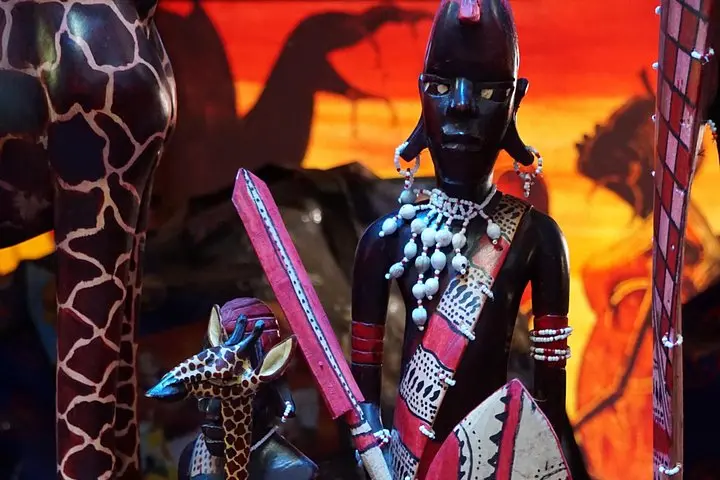
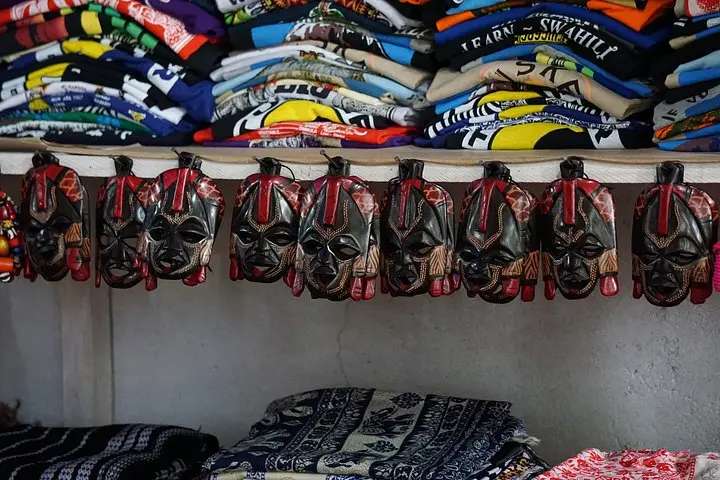
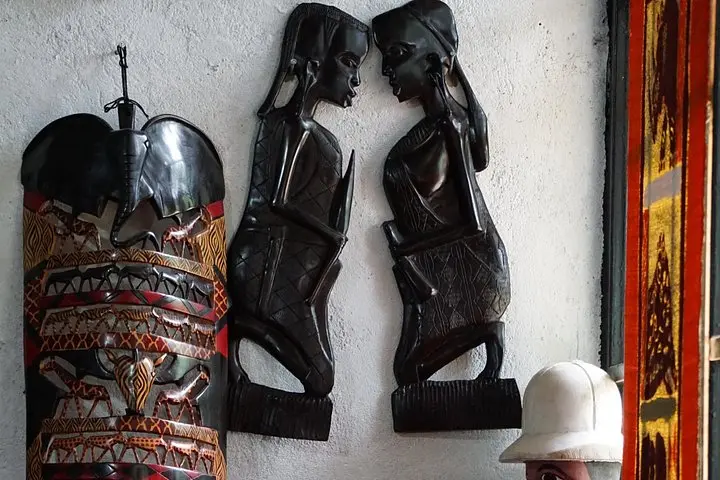
Arusha’s streets reflect a layered history: a colonial administrative center, post-independence commercial hub, and today a gateway to the Serengeti and Kilimanjaro. Geologically, you’re standing on the slopes of an extinct volcanic system; the soil beneath is fertile, feeding the markets where coffee and avocados arrive from surrounding highlands. Culture here is immediate — the Maasai market gives artisanship a public stage, and the East African Community offices (by the Clock Tower) remind visitors of Arusha’s diplomatic role in the region.
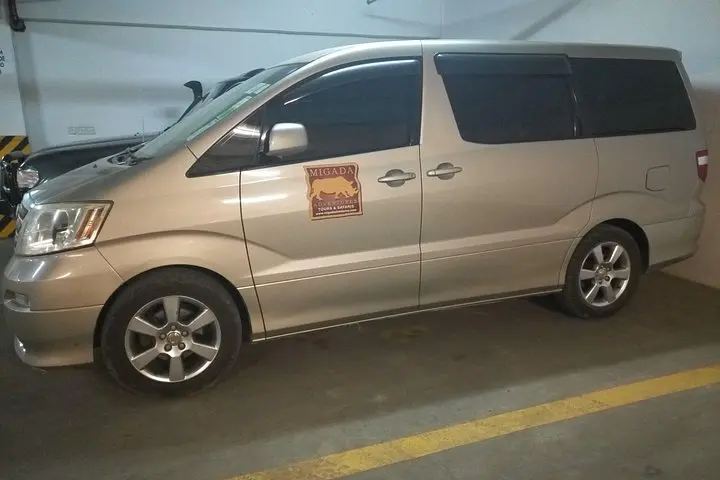
This private 2–3 hour town tour is practical: expect short drives between stops in a jeep or van, brief guided walks through the Arusha National Museum, the central market and AICC (Arusha International Conference Centre), and time to sample a local lunch. Elevation (≈1,400 m) keeps temperatures milder than the coast, but sun and sudden showers are possible.
Bring comfortable walking shoes, a light rain layer, local cash for market purchases, and a respectful attitude when photographing people. The tour balances relaxed city rhythm with cultural insight — ideal for travelers connecting to safaris or wanting a concise orientation to northern Tanzania.
The tour runs roughly 2–3 hours and is paced with short drives between stops; timing depends on how long you linger at markets and the museum.
Yes—this operator notes stroller and wheelchair accessibility and the tour is rated physically easy for all ages.
This is an urban cultural tour; you won’t see big game, though you may encounter local birds and urban fauna. Safaris require separate excursions outside town.
The itinerary indicates a sampled local or African-style lunch in town is part of the tour—confirm dietary needs when booking.
Migada Adventures Tours and Safaris Co Ltd operates guided outdoor trips and adventures with an emphasis on safety, stewardship, and memorable experiences.
You step out of your hotel into the cool, highland air of Arusha and Mt. Meru looms to the west, its ridgelines watching over a city that moves with purposeful, human energy. Vendors call softly from the stalls of Sokoine Road, while the Clock Tower — a modest landmark often used as the meeting point for safari logistics — anchors the intersection of local life and traveler routes.
You step out of your hotel into the cool, highland air of Arusha and Mt. Meru looms to the west, its ridgelines watching over a city that moves with purposeful, human energy. Vendors call softly from the stalls of Sokoine Road, while the Clock Tower — a modest landmark often used as the meeting point for safari logistics — anchors the intersection of local life and traveler routes.
Arusha’s streets reflect a layered history: a colonial administrative center, post-independence commercial hub, and today a gateway to the Serengeti and Kilimanjaro. Geologically, you’re standing on the slopes of an extinct volcanic system; the soil beneath is fertile, feeding the markets where coffee and avocados arrive from surrounding highlands. Culture here is immediate — the Maasai market gives artisanship a public stage, and the East African Community offices (by the Clock Tower) remind visitors of Arusha’s diplomatic role in the region.
This private 2–3 hour town tour is practical: expect short drives between stops in a jeep or van, brief guided walks through the Arusha National Museum, the central market and AICC (Arusha International Conference Centre), and time to sample a local lunch. Elevation (≈1,400 m) keeps temperatures milder than the coast, but sun and sudden showers are possible.
Bring comfortable walking shoes, a light rain layer, local cash for market purchases, and a respectful attitude when photographing people. The tour balances relaxed city rhythm with cultural insight — ideal for travelers connecting to safaris or wanting a concise orientation to northern Tanzania.