THE ADVENTURE COLLECTIVE® · Independent discovery and booking for outdoor travel

Walk Arusha’s streets with a guide and move between museums, markets, and craft centers that reveal the city’s colonial past, gemstone geology, and living cultures. Ideal for curious travelers who want an immersive, practical half-day experience.
Walk Arusha’s streets with a guide and move between museums, markets, and craft centers that reveal the city’s colonial past, gemstone geology, and living cultures. Ideal for curious travelers who want an immersive, practical half-day experience.
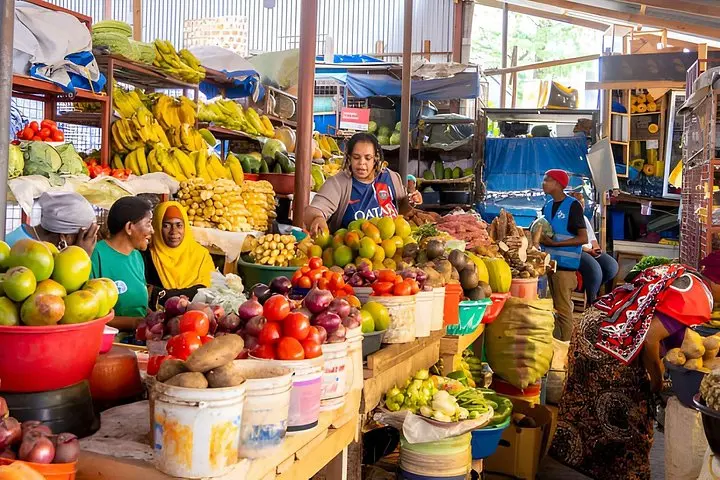
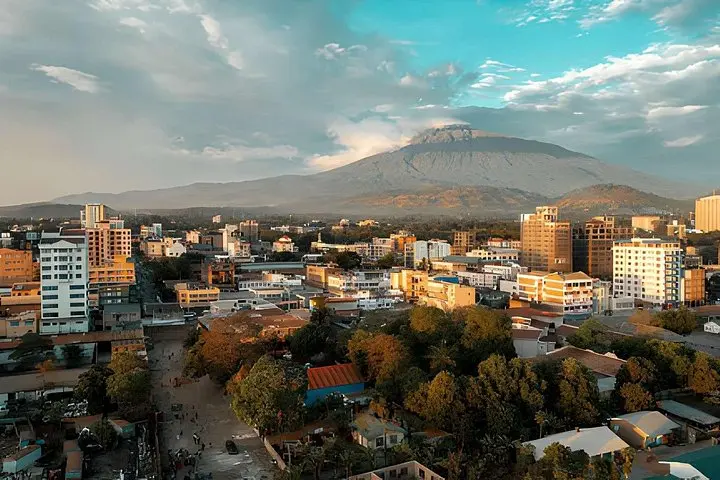
Morning light slices between jacaranda trees and the silhouette of Mount Meru, casting the city’s colonial buildings into sharp relief. On foot, Arusha reveals itself in sound and detail: vendors calling from Soko Kuu, Maasai beadwork catching the sun, and the steady, watchful rise of Meru to the north.
Verified experiences and guided adventures in the surrounding area.
Operated by RIOBA SAFARIS · Arusha, Arusha Region
Morning light slices between jacaranda trees and the silhouette of Mount Meru, casting the city’s colonial buildings into sharp relief. On foot, Arusha reveals itself in sound and detail: vendors calling from Soko Kuu, Maasai beadwork catching the sun, and the steady, watchful rise of Meru to the north.
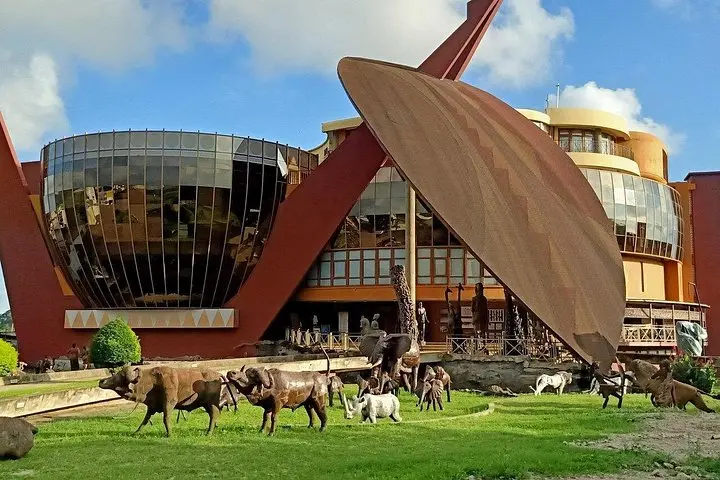
The route moves through layers of history. The Old Boma (National Natural History Museum) sits on a small hill that once hosted a German administrative post; inside are artifacts that link the Rift Valley’s deep geological story to human evolution. Nearby, the Tanzanite Experience explains the gemstone’s volcanic origins and local mining culture, while the Clocktower — reputedly a midpoint between Cape Town and Cairo — marks colonial trade routes that shaped this crossroads city.
Culturally, Arusha is practical and outspoken: markets trade nutrition and news, artisans trade technique and story. Botanical corners in the museum gardens allow birds and sunlit agamas to edge close; urban wildlife and everyday life brush shoulders here.
Practical guidance: plan for about five hours on a private walking tour, start early to avoid midday heat, and carry at least 1L of water. Wear closed, comfortable shoes for mixed pavement and market alleys, bring cash for small purchases, and practice polite photography etiquette when photographing people and crafts.
This tour is low-impact but locally meaningful — it connects visitors to museums, markets, and artisans while explaining the region’s geology and contemporary life. It’s an accessible way to feel Arusha’s pace before heading out to the northern parks.
The private tour runs about five hours and covers multiple indoor and outdoor sites with regular stops.
Admissions specified in the itinerary (e.g., National Natural History Museum) are included; guides will confirm entry details before departure.
The tour is listed as suitable for all fitness levels; expect uneven surfaces and some steps—families with strollers should plan accordingly.
Yes—there are stops at the Tanzanite Experience and craft centers; purchases are optional and guides can advise on certifications and fair prices.
RIOBA SAFARIS operates guided outdoor trips and adventures with an emphasis on safety, stewardship, and memorable experiences.
Morning light slices between jacaranda trees and the silhouette of Mount Meru, casting the city’s colonial buildings into sharp relief. On foot, Arusha reveals itself in sound and detail: vendors calling from Soko Kuu, Maasai beadwork catching the sun, and the steady, watchful rise of Meru to the north.
Morning light slices between jacaranda trees and the silhouette of Mount Meru, casting the city’s colonial buildings into sharp relief. On foot, Arusha reveals itself in sound and detail: vendors calling from Soko Kuu, Maasai beadwork catching the sun, and the steady, watchful rise of Meru to the north.
The route moves through layers of history. The Old Boma (National Natural History Museum) sits on a small hill that once hosted a German administrative post; inside are artifacts that link the Rift Valley’s deep geological story to human evolution. Nearby, the Tanzanite Experience explains the gemstone’s volcanic origins and local mining culture, while the Clocktower — reputedly a midpoint between Cape Town and Cairo — marks colonial trade routes that shaped this crossroads city.
Culturally, Arusha is practical and outspoken: markets trade nutrition and news, artisans trade technique and story. Botanical corners in the museum gardens allow birds and sunlit agamas to edge close; urban wildlife and everyday life brush shoulders here.
Practical guidance: plan for about five hours on a private walking tour, start early to avoid midday heat, and carry at least 1L of water. Wear closed, comfortable shoes for mixed pavement and market alleys, bring cash for small purchases, and practice polite photography etiquette when photographing people and crafts.
This tour is low-impact but locally meaningful — it connects visitors to museums, markets, and artisans while explaining the region’s geology and contemporary life. It’s an accessible way to feel Arusha’s pace before heading out to the northern parks.