THE ADVENTURE COLLECTIVE® · Independent discovery and booking for outdoor travel

Cover Bali’s iconic sights in a single private day: traditional villages, the Mount Batur caldera, sacred Tirta Empul springs, and the Tegalalang rice terraces. This guide outlines what to expect and how to prepare for a full, culturally rich day on the island.
Cover Bali’s iconic sights in a single private day: traditional villages, the Mount Batur caldera, sacred Tirta Empul springs, and the Tegalalang rice terraces. This guide outlines what to expect and how to prepare for a full, culturally rich day on the island.
You start the morning breathing hot, volcanic air as the vehicle winds up toward Kintamani, the caldera rim opening like a page in a travel journal. The driver pauses at viewpoints where Mount Batur and its lake stage a raw, jagged silhouette; rice terraces and village roofs step away from the road in neat green tiers.
Verified experiences and guided adventures in the surrounding area.
Operated by Putu Bali Driver · Ubud, Bali
You start the morning breathing hot, volcanic air as the vehicle winds up toward Kintamani, the caldera rim opening like a page in a travel journal. The driver pauses at viewpoints where Mount Batur and its lake stage a raw, jagged silhouette; rice terraces and village roofs step away from the road in neat green tiers.
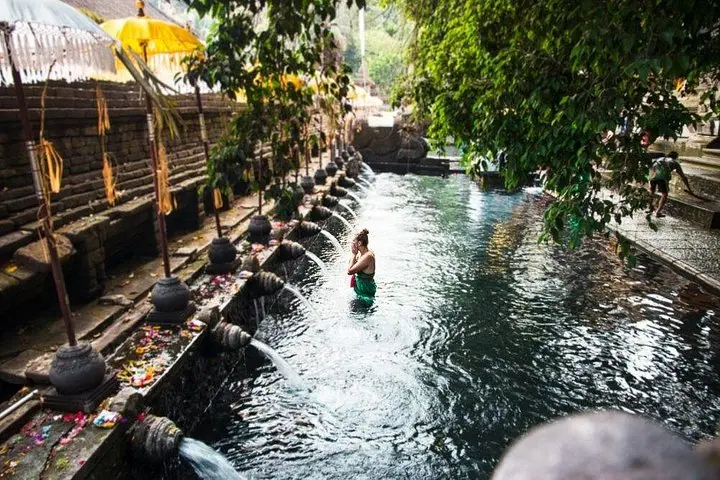
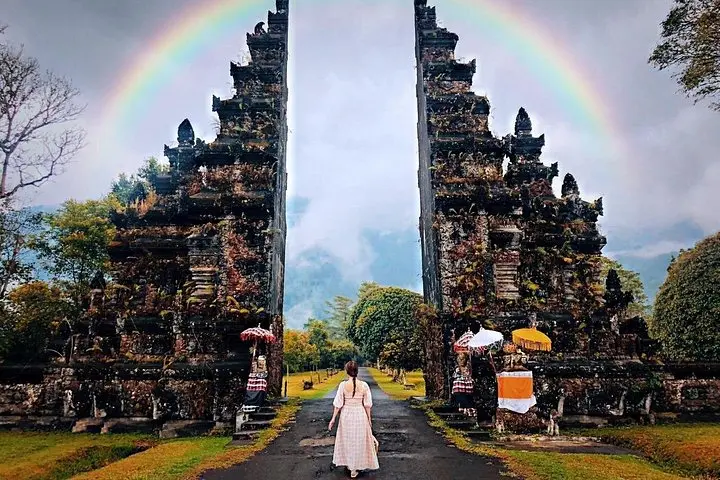
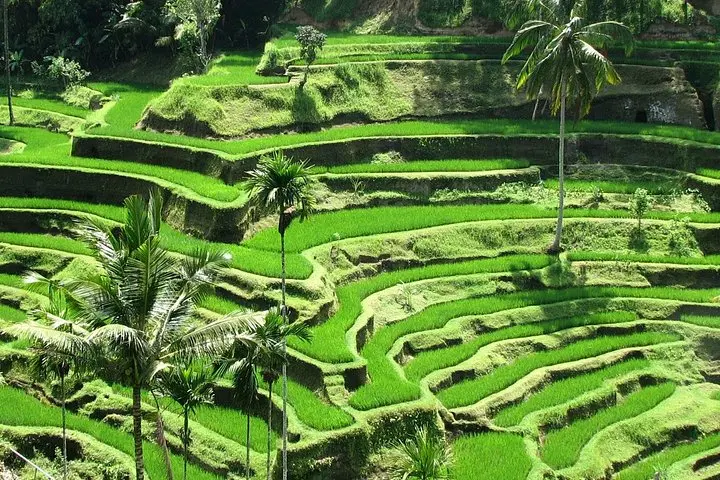
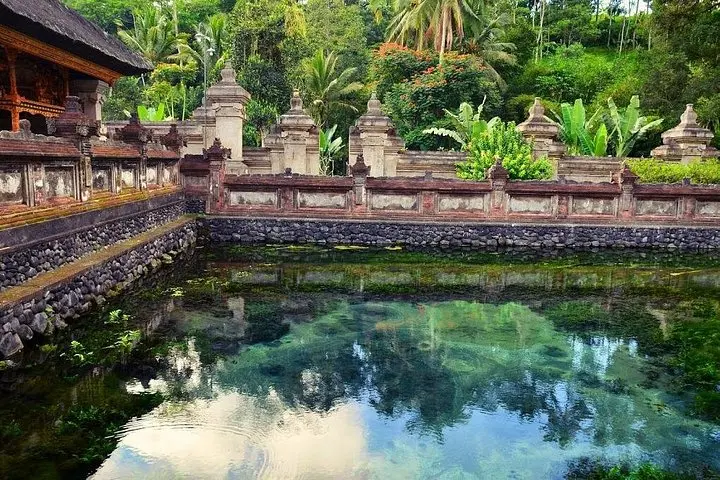
This full-day private tour moves through Bali’s living history: Penglipuran’s preserved village layout that follows age-old Balinese compounds, Tirta Empul’s 11th-century spring used for ritual purification, and the Tegalalang terraces that illustrate subak, the cooperative irrigation system UNESCO recognizes for its cultural landscape. Geology and culture intersect—volcanic soils feed the paddies, while irrigation channels shape daily life.
Expect a steady rhythm of short walks, temple courtyards, and photo stops; the day balances time on foot with comfortable driving between sites. Guides commonly explain temple etiquette, offer local history, and point out how the subak system governs planting and water use.
Practical edge: plan for variable weather, modest dress for temples (shoulders and knees covered), and plenty of water—Bali’s sun and steps add up. Travel at a relaxed pace: mornings give the clearest air on the caldera, late afternoons soften light over Tegalalang. Carry small change for donations and souvenirs, and leave extra room in your itinerary for an optional coffee tasting or a short walk through a village alley. The tour suits travelers wanting cultural context with the convenience of a private vehicle and an attentive guide.
Yes; temples require covered shoulders and knees. Guides often bring spare sarongs, but carrying your own is faster and more hygienic.
Yes—transport is by private vehicle with short walks at each stop; however, travelers with limited mobility should notify the operator in advance regarding access needs.
Most private tour prices include entrance fees and a viewpoint lunch at Kintamani, but confirm inclusions when booking as policies vary by operator.
The dry season (roughly April–October) offers clearer skies and easier walking, but mornings are generally better year-round for views and cooler temperatures.
Putu Bali Driver operates guided outdoor trips and adventures with an emphasis on safety, stewardship, and memorable experiences.
You start the morning breathing hot, volcanic air as the vehicle winds up toward Kintamani, the caldera rim opening like a page in a travel journal. The driver pauses at viewpoints where Mount Batur and its lake stage a raw, jagged silhouette; rice terraces and village roofs step away from the road in neat green tiers.
You start the morning breathing hot, volcanic air as the vehicle winds up toward Kintamani, the caldera rim opening like a page in a travel journal. The driver pauses at viewpoints where Mount Batur and its lake stage a raw, jagged silhouette; rice terraces and village roofs step away from the road in neat green tiers.
This full-day private tour moves through Bali’s living history: Penglipuran’s preserved village layout that follows age-old Balinese compounds, Tirta Empul’s 11th-century spring used for ritual purification, and the Tegalalang terraces that illustrate subak, the cooperative irrigation system UNESCO recognizes for its cultural landscape. Geology and culture intersect—volcanic soils feed the paddies, while irrigation channels shape daily life.
Expect a steady rhythm of short walks, temple courtyards, and photo stops; the day balances time on foot with comfortable driving between sites. Guides commonly explain temple etiquette, offer local history, and point out how the subak system governs planting and water use.
Practical edge: plan for variable weather, modest dress for temples (shoulders and knees covered), and plenty of water—Bali’s sun and steps add up. Travel at a relaxed pace: mornings give the clearest air on the caldera, late afternoons soften light over Tegalalang. Carry small change for donations and souvenirs, and leave extra room in your itinerary for an optional coffee tasting or a short walk through a village alley. The tour suits travelers wanting cultural context with the convenience of a private vehicle and an attentive guide.