THE ADVENTURE COLLECTIVE® · Independent discovery and booking for outdoor travel

Travel from Ho Chi Minh City to Can Gio’s UNESCO mangrove reserve for a day of speedboat canals, rowboat creeks, wildlife viewing and riverside food. This full-day tour blends low-effort exploration with cultural and conservation insights.
Travel from Ho Chi Minh City to Can Gio’s UNESCO mangrove reserve for a day of speedboat canals, rowboat creeks, wildlife viewing and riverside food. This full-day tour blends low-effort exploration with cultural and conservation insights.
You step off the speedboat and the city’s heat fades, replaced by the sap-sweet air of the mangrove. Water snakes through roots like a nervous vein; kingfishers flick along the banks and long-tailed macaques watch from shadowed branches. The tour pushes past narrow canals, easing into wider estuaries where the forest opens and the tidal rhythm becomes the day’s metronome.
Verified experiences and guided adventures in the surrounding area.
Operated by VN Bike Tour · Can Gio, Ho Chi Minh City
You step off the speedboat and the city’s heat fades, replaced by the sap-sweet air of the mangrove. Water snakes through roots like a nervous vein; kingfishers flick along the banks and long-tailed macaques watch from shadowed branches. The tour pushes past narrow canals, easing into wider estuaries where the forest opens and the tidal rhythm becomes the day’s metronome.
Can Gio is Vietnam’s living barrier—an 185,000‑acre UNESCO biosphere that grew from wartime refuge and local reclamation into a modern conservation landscape. Geologically it’s recent sedimentary delta, where Saigon River silt builds mudflats and salt-tolerant trees take root. Culture here ties to fishing communities and wartime history: the Sac guerilla base and riverside villages that still make their living from tidal cycles.
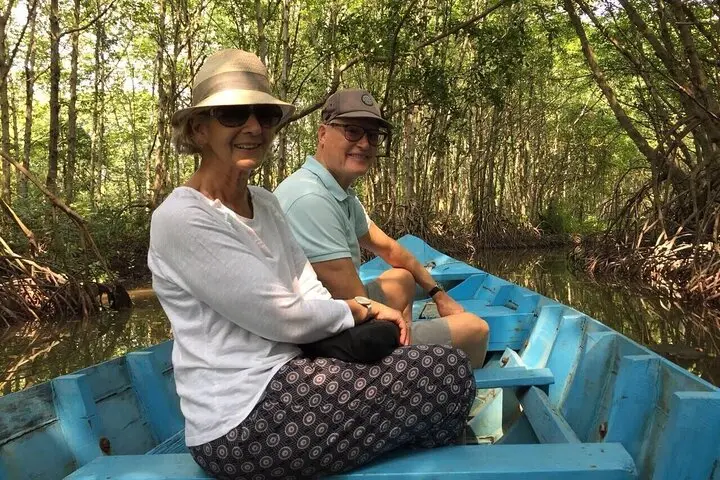
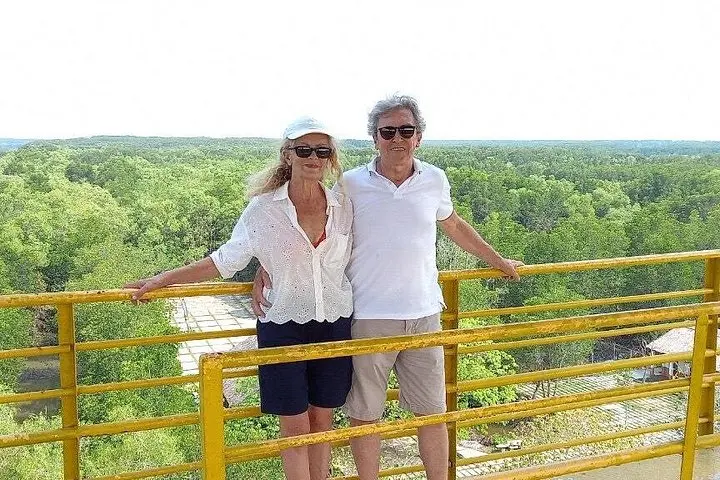
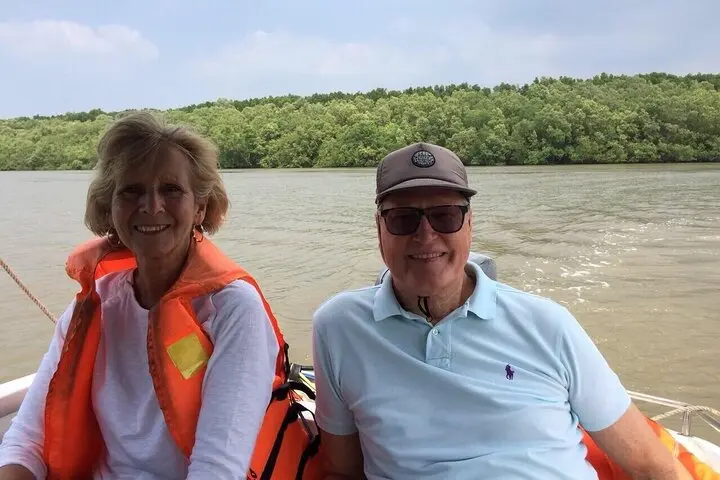
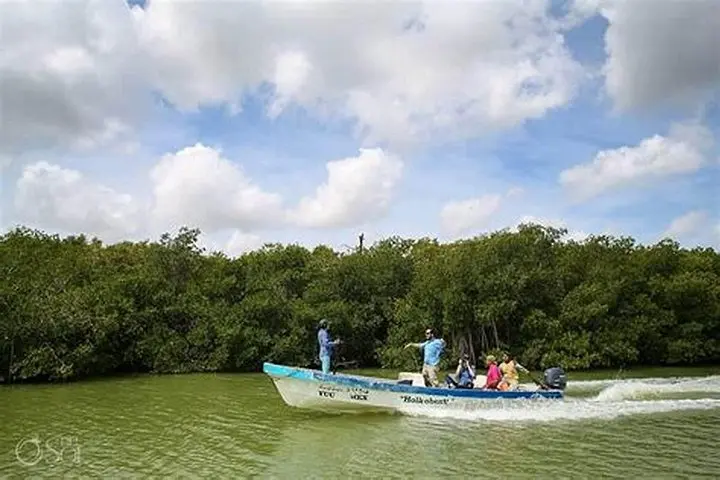
Expect a mix of motorboat and rowboat travel, short walks on boardwalks and a climb up the Tang Bong observation tower for sweeping views. The itinerary commonly includes Vam Sat wetlands, a row through narrow creeks, a riverside Vietnamese lunch, and visits to small islands and historical sites.
Practical notes: bring sun and rain protection, insect repellent, and a reusable water bottle. Plan for changeable weather—tides and monsoon patterns affect access—and wear closed-toe shoes that can handle wet boardwalks. Photography rewards patience: low light beneath the canopy reveals birds, crabs, and the tangled architecture of mangrove roots. The tour is approachable for most fitness levels and gives a clear window into why mangroves matter—ecologically, economically, and historically.
This full-day excursion runs about 8 hours and typically includes hotel pickup, speedboat and rowboat transfers, entrance fees, a riverside lunch, and an English-speaking guide.
Yes—most operators rate it easy and family-friendly; however, boat transfers and short climbs may be challenging for those with limited mobility.
You’re likely to see long‑tailed macaques, wading birds and shorebirds; sightings depend on time of day, season and how quietly you move.
Saltwater crocodiles exist in the region but encounters on guided tours are rare; follow guides’ instructions, avoid touching wildlife, and stay on designated paths.
VN Bike Tour operates guided outdoor trips and adventures with an emphasis on safety, stewardship, and memorable experiences.
You step off the speedboat and the city’s heat fades, replaced by the sap-sweet air of the mangrove. Water snakes through roots like a nervous vein; kingfishers flick along the banks and long-tailed macaques watch from shadowed branches. The tour pushes past narrow canals, easing into wider estuaries where the forest opens and the tidal rhythm becomes the day’s metronome.
You step off the speedboat and the city’s heat fades, replaced by the sap-sweet air of the mangrove. Water snakes through roots like a nervous vein; kingfishers flick along the banks and long-tailed macaques watch from shadowed branches. The tour pushes past narrow canals, easing into wider estuaries where the forest opens and the tidal rhythm becomes the day’s metronome.
Can Gio is Vietnam’s living barrier—an 185,000‑acre UNESCO biosphere that grew from wartime refuge and local reclamation into a modern conservation landscape. Geologically it’s recent sedimentary delta, where Saigon River silt builds mudflats and salt-tolerant trees take root. Culture here ties to fishing communities and wartime history: the Sac guerilla base and riverside villages that still make their living from tidal cycles.
Expect a mix of motorboat and rowboat travel, short walks on boardwalks and a climb up the Tang Bong observation tower for sweeping views. The itinerary commonly includes Vam Sat wetlands, a row through narrow creeks, a riverside Vietnamese lunch, and visits to small islands and historical sites.
Practical notes: bring sun and rain protection, insect repellent, and a reusable water bottle. Plan for changeable weather—tides and monsoon patterns affect access—and wear closed-toe shoes that can handle wet boardwalks. Photography rewards patience: low light beneath the canopy reveals birds, crabs, and the tangled architecture of mangrove roots. The tour is approachable for most fitness levels and gives a clear window into why mangroves matter—ecologically, economically, and historically.