THE ADVENTURE COLLECTIVE® · Independent discovery and booking for outdoor travel

Spend 90 minutes exploring Chicago’s Cermak–Wentworth neighborhood with a guide who traces its immigrant history, architecture, and food culture. This compact walking tour is accessible and focused — ideal for first-time visitors or those short on time.
Spend 90 minutes exploring Chicago’s Cermak–Wentworth neighborhood with a guide who traces its immigrant history, architecture, and food culture. This compact walking tour is accessible and focused — ideal for first-time visitors or those short on time.
You step off the elevated train and the city’s rhythm shifts — neon characters, the clang of a wok, and the low hum of conversations in Cantonese and Mandarin. The tour begins at the Chinatown Visitor Center, a compact hub where a guide frames the neighborhood’s streets as living archives: brick storefronts, ceramic dragons, and the tiled sweep of the Nine Dragons Wall.
Verified experiences and guided adventures in the surrounding area.
Operated by Chinatown Visitor Center · Chicago, IL
You step off the elevated train and the city’s rhythm shifts — neon characters, the clang of a wok, and the low hum of conversations in Cantonese and Mandarin. The tour begins at the Chinatown Visitor Center, a compact hub where a guide frames the neighborhood’s streets as living archives: brick storefronts, ceramic dragons, and the tiled sweep of the Nine Dragons Wall.
Chicago’s Chinatown traces its roots to the late 19th and early 20th centuries, when Chinese immigrants settled near the Loop and later moved south to the current Cermak–Wentworth district. The area’s architecture mixes early-20th-century commercial buildings with mid-century renovations; the replicated imperial screen and merchant association halls reflect ties to immigrant social structures and community support networks.
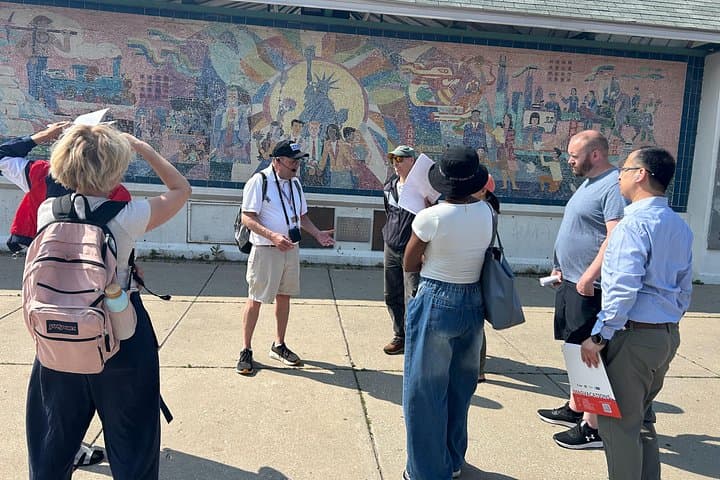
On this 90-minute route, expect measured walking between plazas, a stop at the Chinese-American Museum, and time in the Chinatown Square mural plaza. Along the way guides highlight foodways, family-run businesses, and how local merchant associations shaped housing and commerce.
Practical note: the tour is compact and flat — suitable for most walkers and stroller- or wheelchair-accessible surfaces. Peak activity is lunchtime and early evening; mornings are quieter for photos. Bring a portable water bottle, comfortable shoes, and a small notebook if you like to jot restaurant names or market tips. The experience is short but focused: a cultural primer that pairs well with a sit-down meal afterward at a long-running bakery or noodle shop.
Yes — the itinerary lists wheelchair-accessible surfaces and transportation; notify the operator during booking of any specific needs.
The advertised tour is conducted in English with an English-speaking guide.
Yes — the tour requires at least two participants and may be canceled with a full refund if the minimum isn’t met.
Groups meet in front of the Chinatown Visitor Center, located near the Chinatown Library on Wentworth and Cermak.
Chinatown Visitor Center operates guided outdoor trips and adventures with an emphasis on safety, stewardship, and memorable experiences.

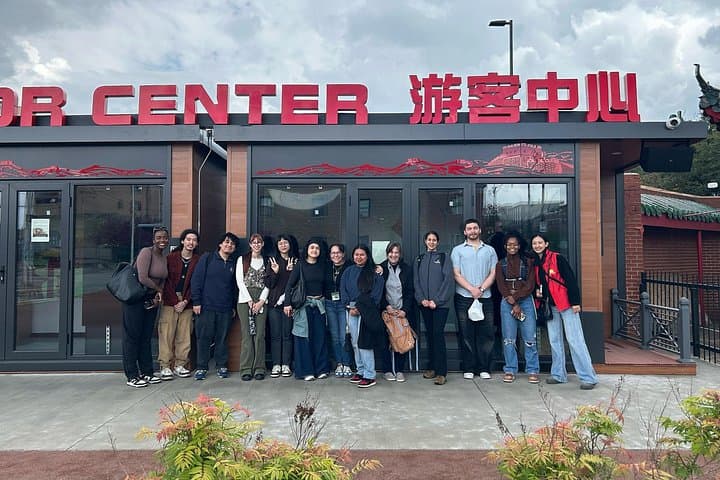

You step off the elevated train and the city’s rhythm shifts — neon characters, the clang of a wok, and the low hum of conversations in Cantonese and Mandarin. The tour begins at the Chinatown Visitor Center, a compact hub where a guide frames the neighborhood’s streets as living archives: brick storefronts, ceramic dragons, and the tiled sweep of the Nine Dragons Wall.
You step off the elevated train and the city’s rhythm shifts — neon characters, the clang of a wok, and the low hum of conversations in Cantonese and Mandarin. The tour begins at the Chinatown Visitor Center, a compact hub where a guide frames the neighborhood’s streets as living archives: brick storefronts, ceramic dragons, and the tiled sweep of the Nine Dragons Wall.
Chicago’s Chinatown traces its roots to the late 19th and early 20th centuries, when Chinese immigrants settled near the Loop and later moved south to the current Cermak–Wentworth district. The area’s architecture mixes early-20th-century commercial buildings with mid-century renovations; the replicated imperial screen and merchant association halls reflect ties to immigrant social structures and community support networks.
On this 90-minute route, expect measured walking between plazas, a stop at the Chinese-American Museum, and time in the Chinatown Square mural plaza. Along the way guides highlight foodways, family-run businesses, and how local merchant associations shaped housing and commerce.
Practical note: the tour is compact and flat — suitable for most walkers and stroller- or wheelchair-accessible surfaces. Peak activity is lunchtime and early evening; mornings are quieter for photos. Bring a portable water bottle, comfortable shoes, and a small notebook if you like to jot restaurant names or market tips. The experience is short but focused: a cultural primer that pairs well with a sit-down meal afterward at a long-running bakery or noodle shop.