THE ADVENTURE COLLECTIVE® · Independent discovery and booking for outdoor travel

Spend three days in Chitwan National Park exploring riverine forests, canoeing the Rapti and seeking rhinos, gharials and birds with local naturalists. This compact safari mixes wildlife viewing with Tharu village culture and easy, accessible activities.
Spend three days in Chitwan National Park exploring riverine forests, canoeing the Rapti and seeking rhinos, gharials and birds with local naturalists. This compact safari mixes wildlife viewing with Tharu village culture and easy, accessible activities.
You step out of the vehicle into thick, humid air; the Rapti River murmurs nearby and a chorus of bulbuls and kingfishers threads the soundscape. Tall sal and riverine grasslands press against a horizon where a distant rhinoceros grazes like an island of armor among reeds.
Verified experiences and guided adventures in the surrounding area.
Operated by KJ Adventure Nepal Private Limited · Sauraha, Bagmati Province
You step out of the vehicle into thick, humid air; the Rapti River murmurs nearby and a chorus of bulbuls and kingfishers threads the soundscape. Tall sal and riverine grasslands press against a horizon where a distant rhinoceros grazes like an island of armor among reeds.
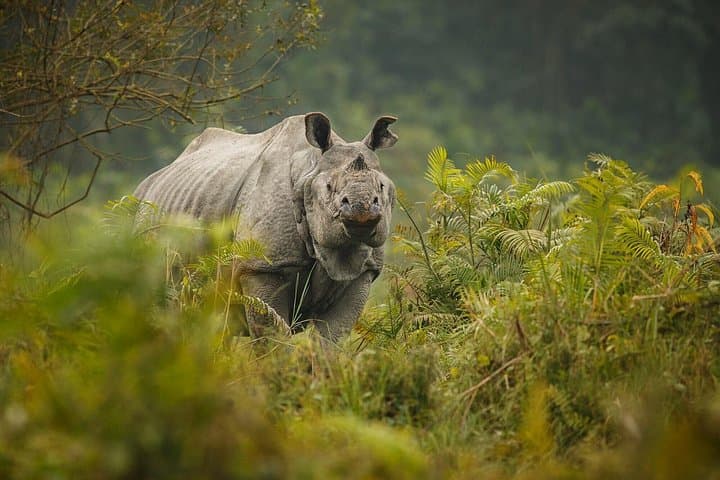
Chitwan National Park—created in 1973 and a UNESCO World Heritage Site since 1984—sits at the ecological crossroads between Himalayan foothills and the Terai plains. Pocketed sandbanks, oxbow lakes and broadleaf forest create habitat for the greater one-horned rhino, elusive Royal Bengal tiger and the rare fish-eating gharial. The Tharu people have tended these lowlands for generations; village homestays and evening cultural dances reflect a living relationship with the land.
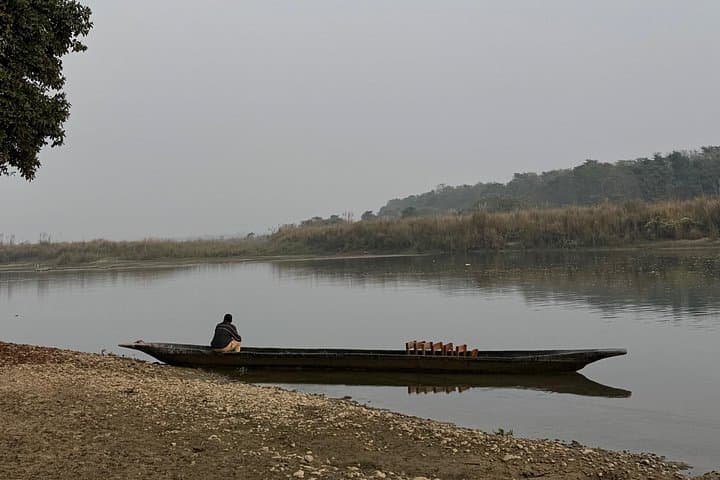
On a three-day itinerary you’ll combine slow canoe rides along the Rapti, guided jeep safaris through park tracks and a village visit led by local naturalists. Expect marshy trails, short boardwalks and dusty roads—not technical terrain but often wet or uneven. Sunrise and late afternoon are peak wildlife hours; mid-day brings heat and birdwatching along river edges.
Practical edge: pack lightweight, quick-dry layers, strong insect repellent and binoculars. Bring cash for small village purchases, and follow guide instructions—maintain distance, avoid flash photography and don’t feed animals. Transfers from Kathmandu take roughly 5–6 hours by road; comfortable lodges in Sauraha provide twin-share rooms and local meals. Whether you’re after rhino sightings, birding or cultural exchange, Chitwan delivers a compact, low-impact wildlife experience that rewards patience and attention to detail.
Most travelers take a 5–6 hour private road transfer via Mugling-Narayanghat; scheduled buses are available but slower—private transfer is included in this tour.
No; while rhinos, deer and many birds are commonly seen, sightings of tigers are rare and never guaranteed—guides maximize your chances by timing and location.
Yes—activity is rated easy and accommodations are comfortable, but notify the operator of mobility needs; some canoe and jeep transfers require stepping up.
Consult your doctor—standard travel vaccines are recommended and malaria risk in the Terai is seasonal; bring antimalarial meds if advised by health professionals.
KJ Adventure Nepal Private Limited operates guided outdoor trips and adventures with an emphasis on safety, stewardship, and memorable experiences.


You step out of the vehicle into thick, humid air; the Rapti River murmurs nearby and a chorus of bulbuls and kingfishers threads the soundscape. Tall sal and riverine grasslands press against a horizon where a distant rhinoceros grazes like an island of armor among reeds.
You step out of the vehicle into thick, humid air; the Rapti River murmurs nearby and a chorus of bulbuls and kingfishers threads the soundscape. Tall sal and riverine grasslands press against a horizon where a distant rhinoceros grazes like an island of armor among reeds.
Chitwan National Park—created in 1973 and a UNESCO World Heritage Site since 1984—sits at the ecological crossroads between Himalayan foothills and the Terai plains. Pocketed sandbanks, oxbow lakes and broadleaf forest create habitat for the greater one-horned rhino, elusive Royal Bengal tiger and the rare fish-eating gharial. The Tharu people have tended these lowlands for generations; village homestays and evening cultural dances reflect a living relationship with the land.
On a three-day itinerary you’ll combine slow canoe rides along the Rapti, guided jeep safaris through park tracks and a village visit led by local naturalists. Expect marshy trails, short boardwalks and dusty roads—not technical terrain but often wet or uneven. Sunrise and late afternoon are peak wildlife hours; mid-day brings heat and birdwatching along river edges.
Practical edge: pack lightweight, quick-dry layers, strong insect repellent and binoculars. Bring cash for small village purchases, and follow guide instructions—maintain distance, avoid flash photography and don’t feed animals. Transfers from Kathmandu take roughly 5–6 hours by road; comfortable lodges in Sauraha provide twin-share rooms and local meals. Whether you’re after rhino sightings, birding or cultural exchange, Chitwan delivers a compact, low-impact wildlife experience that rewards patience and attention to detail.