THE ADVENTURE COLLECTIVE® · Independent discovery and booking for outdoor travel

Walk temple platforms where jungle meets sea in Copalita, a compact Zapotec settlement outside Huatulco. This guided, half-day cultural tour pairs archaeological interpretation with coastal ecology for an accessible, immersive experience.
Walk temple platforms where jungle meets sea in Copalita, a compact Zapotec settlement outside Huatulco. This guided, half-day cultural tour pairs archaeological interpretation with coastal ecology for an accessible, immersive experience.
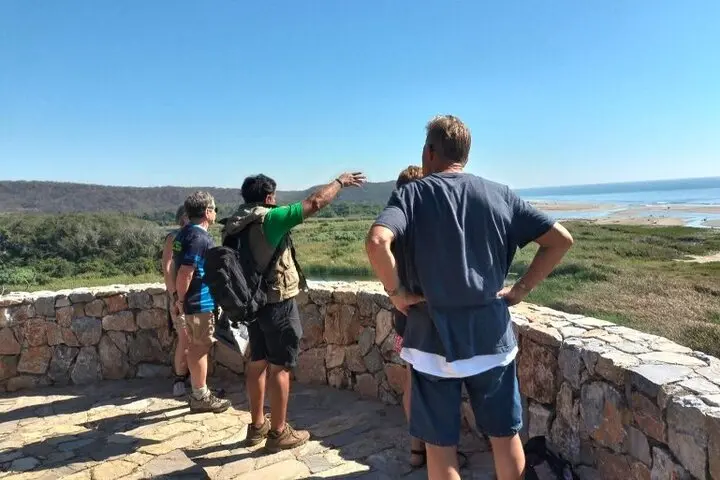
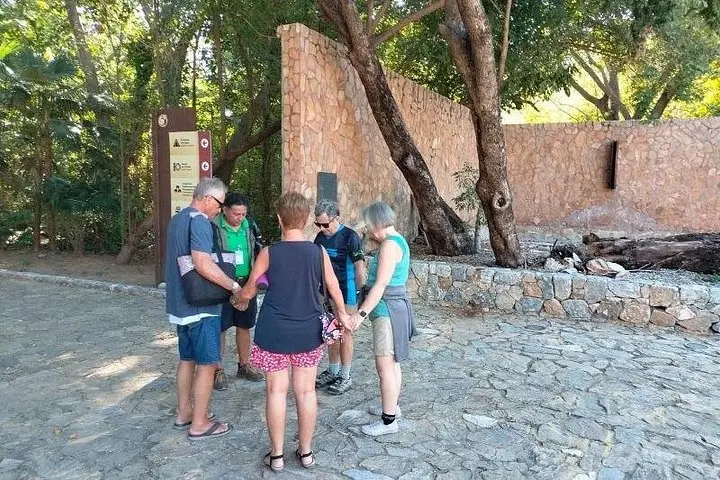
You step off the shaded trail and smell brackish estuary rising from the mangroves; palms lean like curious witnesses as stone platforms and low temple bases appear through the foliage. At Copalita the jungle and the sea seem to argue over a single horizon, and a certified guide walks you through why this place mattered to the Zapotecs — not as ruins abandoned, but as a lived landscape.
Verified experiences and guided adventures in the surrounding area.
Operated by Mani Gonzalez Adventures · Santa María Huatulco, Oaxaca
You step off the shaded trail and smell brackish estuary rising from the mangroves; palms lean like curious witnesses as stone platforms and low temple bases appear through the foliage. At Copalita the jungle and the sea seem to argue over a single horizon, and a certified guide walks you through why this place mattered to the Zapotecs — not as ruins abandoned, but as a lived landscape.
Copalita occupies a coastal terrace where river sediments and volcanic soils created fertile ground for settlement. The site’s plazas and low pyramidal platforms are remnants of a pre-Hispanic town that threaded ceremonial life with maritime resources. Guides interpret carved features, the spatial logic of plazas, and the relationship between freshwater estuary, mangrove, and offshore fisheries that shaped Zapotec worldview.
The experience blends natural history and archaeology: listen for birds that ride the thermals above the estuary, and look for iguanas warming on exposed stone. The site is compact—suitable for a half-day visit—and combines short walking sections on uneven paths with shaded interpretive stops.
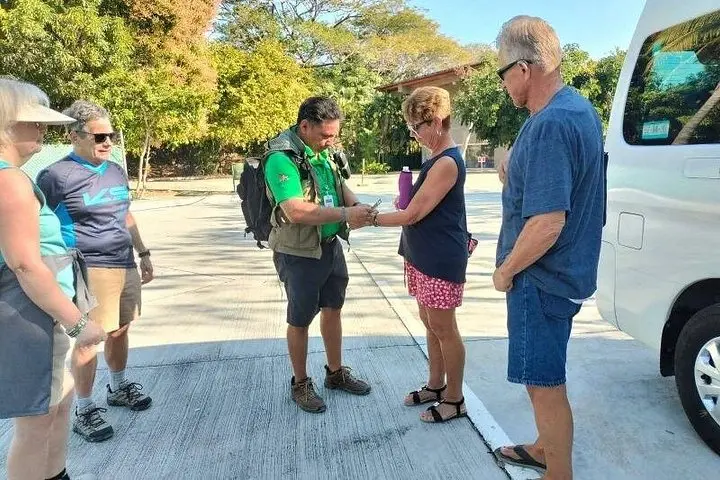
Practically: tours include private transport and bottled water; wear sturdy closed shoes for roots and slick flagstones, bring sun protection and a light layer for coastal breezes. Midday heat and afternoon showers are common in summer, so plan mornings for the coolest light and clearest views. Respect roped areas, avoid touching exposed masonry, and follow your guide to get the fullest cultural context without risking fragile archaeology.
The experience runs about 3–4 hours total, including private transport from Huatulco and on-site interpretation.
Yes — the tour description indicates site admission is included as part of the booking.
The tour notes wheelchair accessibility for parts of the site, but uneven stone and natural paths mean mobility can be limited; check with the operator about specific needs.
Yes—infants can use strollers and infant seats are available, but children should be supervised around exposed masonry and drops.
Mani Gonzalez Adventures operates guided outdoor trips and adventures with an emphasis on safety, stewardship, and memorable experiences.

You step off the shaded trail and smell brackish estuary rising from the mangroves; palms lean like curious witnesses as stone platforms and low temple bases appear through the foliage. At Copalita the jungle and the sea seem to argue over a single horizon, and a certified guide walks you through why this place mattered to the Zapotecs — not as ruins abandoned, but as a lived landscape.
You step off the shaded trail and smell brackish estuary rising from the mangroves; palms lean like curious witnesses as stone platforms and low temple bases appear through the foliage. At Copalita the jungle and the sea seem to argue over a single horizon, and a certified guide walks you through why this place mattered to the Zapotecs — not as ruins abandoned, but as a lived landscape.
Copalita occupies a coastal terrace where river sediments and volcanic soils created fertile ground for settlement. The site’s plazas and low pyramidal platforms are remnants of a pre-Hispanic town that threaded ceremonial life with maritime resources. Guides interpret carved features, the spatial logic of plazas, and the relationship between freshwater estuary, mangrove, and offshore fisheries that shaped Zapotec worldview.
The experience blends natural history and archaeology: listen for birds that ride the thermals above the estuary, and look for iguanas warming on exposed stone. The site is compact—suitable for a half-day visit—and combines short walking sections on uneven paths with shaded interpretive stops.
Practically: tours include private transport and bottled water; wear sturdy closed shoes for roots and slick flagstones, bring sun protection and a light layer for coastal breezes. Midday heat and afternoon showers are common in summer, so plan mornings for the coolest light and clearest views. Respect roped areas, avoid touching exposed masonry, and follow your guide to get the fullest cultural context without risking fragile archaeology.