THE ADVENTURE COLLECTIVE® · Independent discovery and booking for outdoor travel

Spend a day moving from Ottoman-era cobblestones to the spray of Saitabat Waterfall and the vaulted lanes of Bursa’s Silk Market. This private tour pairs easy walking with local food and curated shopping.
Spend a day moving from Ottoman-era cobblestones to the spray of Saitabat Waterfall and the vaulted lanes of Bursa’s Silk Market. This private tour pairs easy walking with local food and curated shopping.
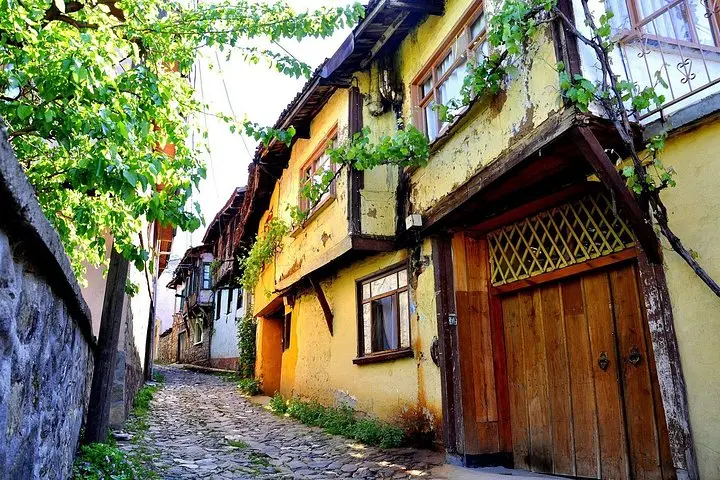
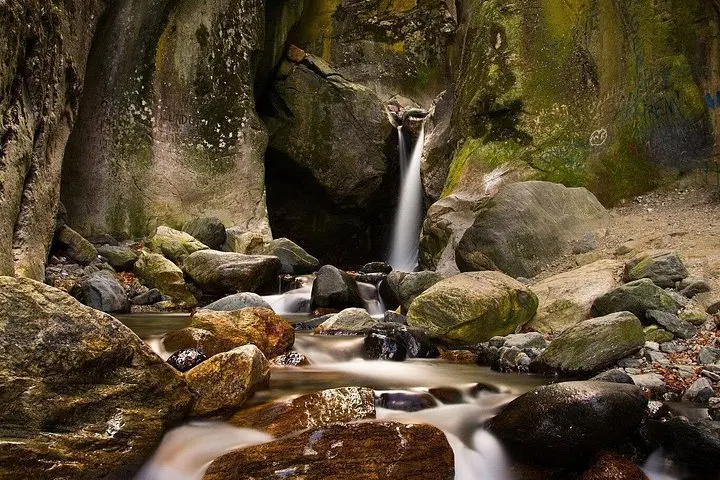
The guide meets you in the hotel lobby; a short drive slips urban edges and the air cools as oak and chestnut trees take over. Cobbled alleys open into timber-and-stone houses that climb a sunlit slope — doors and low eaves that still hold the geometry of early Ottoman life. Later, the road drops into a green bowl where water has found a seam in the rock: Saitabat’s cascade throws spray into the meadow and dares you to get closer with your camera.
Verified experiences and guided adventures in the surrounding area.
Operated by ToBadaa · Bursa, Bursa Province
The guide meets you in the hotel lobby; a short drive slips urban edges and the air cools as oak and chestnut trees take over. Cobbled alleys open into timber-and-stone houses that climb a sunlit slope — doors and low eaves that still hold the geometry of early Ottoman life. Later, the road drops into a green bowl where water has found a seam in the rock: Saitabat’s cascade throws spray into the meadow and dares you to get closer with your camera.
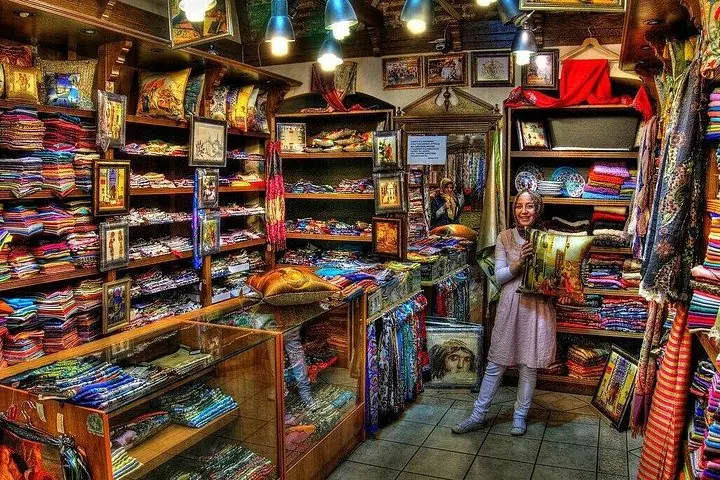
Cumalikizik is one of the best-preserved Ottoman villages around Bursa, its layout and house types dating to the 14th–15th centuries when the early Ottoman polity expanded across Anatolia. The waterfall itself is a product of limestone erosion at the Uludağ foothills, where underground drains have given way and released clear, cool streams through oak forest. The Silk Market (Koza Han) in Bursa offers a counterpoint: stone arches, merchants trading silk cocoons and hand-printed textiles—commercial culture that connected Bursa to centuries of trade routes.
Practical guidance: wear sturdy walking shoes for uneven cobbles and short forest trails; expect 6–8 hours door-to-door with a hot, included outdoor lunch. Bring a refillable bottle, a light rain layer, and cash for small handicrafts. Photography is best mid-morning or late afternoon when light slants across the alleys and the waterfall’s mist catches the sun.
The tour blends historical architecture, easy nature walking, local gastronomy and market time—an accessible day that pairs cultural context with outdoor rhythm.
The tour is approximately 8 hours from hotel pickup to drop-off, including transport, visits, and lunch.
No — Saitabat involves short, gentle walks from the parking area over mixed packed-earth and stone paths; stable footwear is recommended.
This private tour typically includes transportation and lunch; confirm with the operator whether any minor local entrance fees are covered.
Yes — inform the operator at booking about allergies or dietary restrictions so the guide can arrange alternatives.
ToBadaa operates guided outdoor trips and adventures with an emphasis on safety, stewardship, and memorable experiences.
The guide meets you in the hotel lobby; a short drive slips urban edges and the air cools as oak and chestnut trees take over. Cobbled alleys open into timber-and-stone houses that climb a sunlit slope — doors and low eaves that still hold the geometry of early Ottoman life. Later, the road drops into a green bowl where water has found a seam in the rock: Saitabat’s cascade throws spray into the meadow and dares you to get closer with your camera.
The guide meets you in the hotel lobby; a short drive slips urban edges and the air cools as oak and chestnut trees take over. Cobbled alleys open into timber-and-stone houses that climb a sunlit slope — doors and low eaves that still hold the geometry of early Ottoman life. Later, the road drops into a green bowl where water has found a seam in the rock: Saitabat’s cascade throws spray into the meadow and dares you to get closer with your camera.
Cumalikizik is one of the best-preserved Ottoman villages around Bursa, its layout and house types dating to the 14th–15th centuries when the early Ottoman polity expanded across Anatolia. The waterfall itself is a product of limestone erosion at the Uludağ foothills, where underground drains have given way and released clear, cool streams through oak forest. The Silk Market (Koza Han) in Bursa offers a counterpoint: stone arches, merchants trading silk cocoons and hand-printed textiles—commercial culture that connected Bursa to centuries of trade routes.
Practical guidance: wear sturdy walking shoes for uneven cobbles and short forest trails; expect 6–8 hours door-to-door with a hot, included outdoor lunch. Bring a refillable bottle, a light rain layer, and cash for small handicrafts. Photography is best mid-morning or late afternoon when light slants across the alleys and the waterfall’s mist catches the sun.
The tour blends historical architecture, easy nature walking, local gastronomy and market time—an accessible day that pairs cultural context with outdoor rhythm.