THE ADVENTURE COLLECTIVE® · Independent discovery and booking for outdoor travel

Spend a full day moving from fish stalls to colonial cathedrals and shoreline breezes on a private Dar es Salaam city tour. Expect markets, museums, woodcarvers and a beachside finish with practical tips on timing and what to bring.
Spend a full day moving from fish stalls to colonial cathedrals and shoreline breezes on a private Dar es Salaam city tour. Expect markets, museums, woodcarvers and a beachside finish with practical tips on timing and what to bring.
Morning light slides across the Indian Ocean as an air-conditioned vehicle threads through Dar es Salaam’s harborfront, delivering travelers from hotel lobbies to the cacophony of Kivukoni Fish Market. Fishmongers shout prices, nets glisten, and the scent of grilled seafood pulls you forward — this is a city that introduces itself by sound and flavor.
Verified experiences and guided adventures in the surrounding area.
Operated by Envoyage Tanzania · Dar es Salaam, Dar es Salaam Region
Morning light slides across the Indian Ocean as an air-conditioned vehicle threads through Dar es Salaam’s harborfront, delivering travelers from hotel lobbies to the cacophony of Kivukoni Fish Market. Fishmongers shout prices, nets glisten, and the scent of grilled seafood pulls you forward — this is a city that introduces itself by sound and flavor.
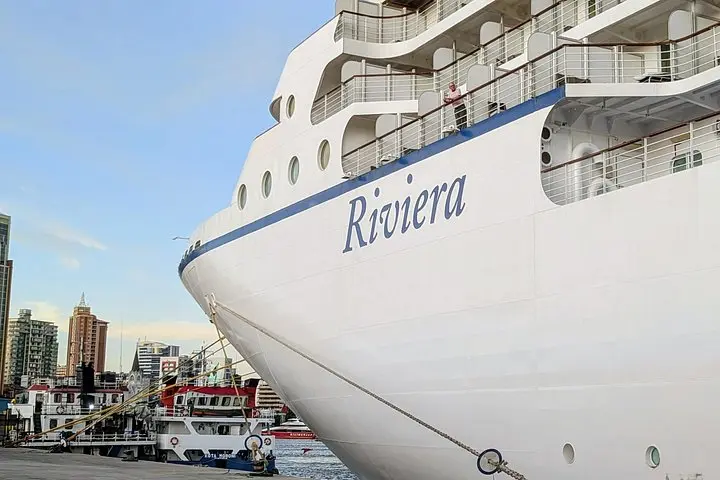
Dar es Salaam grew from a 19th-century Zanzibari port into Tanzania’s largest city under successive Omani, German and British influences; the Gothic arches of Azania and St. Joseph’s Cathedral sit near the Old Boma and Askari Monument, visual notes of colonial and local history. Geologically, the city rests on coastal plains and mangrove-lined creeks that meet the warm Indian Ocean, shaping a shoreline of beaches and busy ferries bound for Zanzibar.
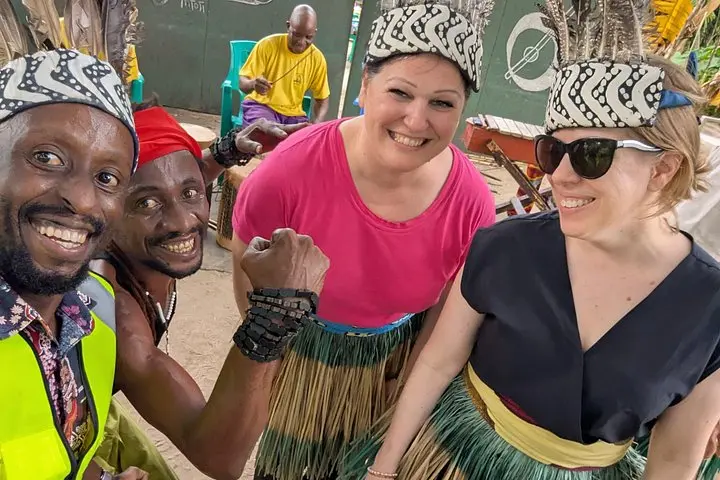
The full-day private tour threads architecture, markets, museums and craft stalls into a single route: fish market, cathedral views, Old Boma, National Museum, Kariakoo Market, Mwenge woodcarvers and a closing walk at Coco Beach. Expect short walks, crowded market lanes, and opportunities to taste street food and meet artisans.
Practical edge: schedule the visit for early morning to avoid midday heat and the afternoon rush, wear sturdy closed shoes for market alleys, and carry a lightweight rain jacket during the March–May rains. Bring local currency for market purchases, and plan at least six hours to experience the city without rushing. This is an accessible, sensory-packed day that balances cultural depth with straightforward logistics.
Yes—private transportation with hotel pickup and drop-off is included; confirm your pickup point when booking.
Yes—the tour is fully customizable to interests like markets, architecture, or adding a ferry transfer to Zanzibar with advance planning.
Lunch is included; inform the operator of dietary restrictions at least 24 hours before the tour.
Yes—physical activity is light, but crowded markets and uneven surfaces may be challenging for very young children or mobility-limited guests.
Envoyage Tanzania operates guided outdoor trips and adventures with an emphasis on safety, stewardship, and memorable experiences.

Morning light slides across the Indian Ocean as an air-conditioned vehicle threads through Dar es Salaam’s harborfront, delivering travelers from hotel lobbies to the cacophony of Kivukoni Fish Market. Fishmongers shout prices, nets glisten, and the scent of grilled seafood pulls you forward — this is a city that introduces itself by sound and flavor.
Morning light slides across the Indian Ocean as an air-conditioned vehicle threads through Dar es Salaam’s harborfront, delivering travelers from hotel lobbies to the cacophony of Kivukoni Fish Market. Fishmongers shout prices, nets glisten, and the scent of grilled seafood pulls you forward — this is a city that introduces itself by sound and flavor.
Dar es Salaam grew from a 19th-century Zanzibari port into Tanzania’s largest city under successive Omani, German and British influences; the Gothic arches of Azania and St. Joseph’s Cathedral sit near the Old Boma and Askari Monument, visual notes of colonial and local history. Geologically, the city rests on coastal plains and mangrove-lined creeks that meet the warm Indian Ocean, shaping a shoreline of beaches and busy ferries bound for Zanzibar.
The full-day private tour threads architecture, markets, museums and craft stalls into a single route: fish market, cathedral views, Old Boma, National Museum, Kariakoo Market, Mwenge woodcarvers and a closing walk at Coco Beach. Expect short walks, crowded market lanes, and opportunities to taste street food and meet artisans.
Practical edge: schedule the visit for early morning to avoid midday heat and the afternoon rush, wear sturdy closed shoes for market alleys, and carry a lightweight rain jacket during the March–May rains. Bring local currency for market purchases, and plan at least six hours to experience the city without rushing. This is an accessible, sensory-packed day that balances cultural depth with straightforward logistics.