THE ADVENTURE COLLECTIVE® · Independent discovery and booking for outdoor travel

Move through Old Dhaka’s early-morning markets, take rickshaws down textile-lined lanes, and end with a boat ride past shipbuilders on the Buriganga. This private full-day tour combines Mughal forts, ornate mosques and living market culture with practical tips for navigating the city.
Move through Old Dhaka’s early-morning markets, take rickshaws down textile-lined lanes, and end with a boat ride past shipbuilders on the Buriganga. This private full-day tour combines Mughal forts, ornate mosques and living market culture with practical tips for navigating the city.
Before dawn the city exhales steam and bargaining calls — Old Dhaka wakes in a rush of carts, rickshaws and the metallic clang of shipyards along the Buriganga. You thread narrow lanes where flower sellers lay out garlands, vendors haul fish across rail tracks, and the river dares you to watch its traffic of small boats pushing forward beneath rusting cranes.
Verified experiences and guided adventures in the surrounding area.
Operated by Bangladesh Eco Adventure · Dhaka, Dhaka
Before dawn the city exhales steam and bargaining calls — Old Dhaka wakes in a rush of carts, rickshaws and the metallic clang of shipyards along the Buriganga. You thread narrow lanes where flower sellers lay out garlands, vendors haul fish across rail tracks, and the river dares you to watch its traffic of small boats pushing forward beneath rusting cranes.
This tour stitches Mughal-era relics and colonial facades with the living economy of Bangladesh’s capital. Lalbagh Fort (17th century) and Curzon Hall (early 20th century) show layers of imperial and educational history; the Star Mosque and an Armenian church reflect the city’s plural past. Geologically, Dhaka sits on the alluvial plains of the Ganges–Brahmaputra delta—flat, river-cut terrain that made the Buriganga a working artery and shipbuilding yard for centuries.
Practical guidance is simple: start early for the wholesale markets when light and activity are best, and finish mid-afternoon with a boat ride to see the dockyard at work. Respect religious sites—long sleeves and head coverings for women, shoes off inside mosques—and keep valuables close in crowded markets. Footwear should handle dust, wet fish stalls and occasional slick wooden steps at river landings.
Expect a mix of walking, short rickshaw hops and a calm boat leg; a guide helps navigate bargaining, photography etiquette and local flavors like tea and bakarkhani. Bring local cash, a lightweight cover for religious sites, and patience — Dhaka’s rhythm can be abrupt but richly rewarding for those who move with it.
Tours typically start early (around 6–7 AM) to catch the wholesale markets at peak activity and cooler temperatures for walking and photography.
Yes; mosques require long sleeves and head coverings for women and shoes removed inside—guides will advise and provide coverings if needed.
Boat rides on the Buriganga are short and run by local operators; expect basic wooden boats and bring a stable stance for boarding and disembarking.
Photography is welcome in markets, but always ask before photographing people closely and avoid photos during prayer times inside active religious sites.
Bangladesh Eco Adventure operates guided outdoor trips and adventures with an emphasis on safety, stewardship, and memorable experiences.
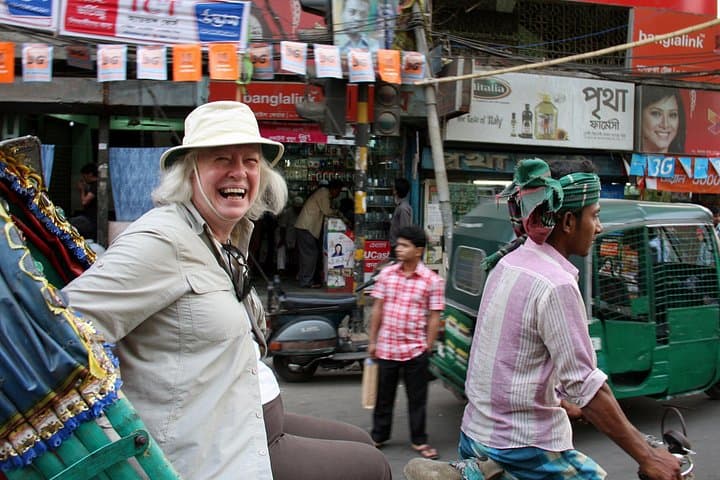
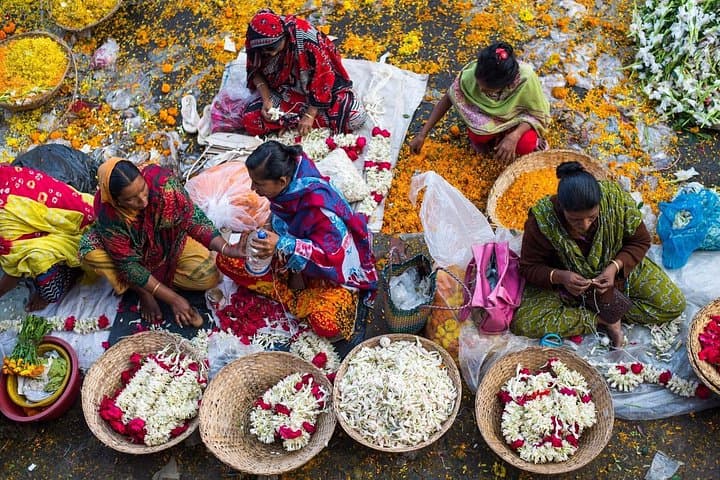
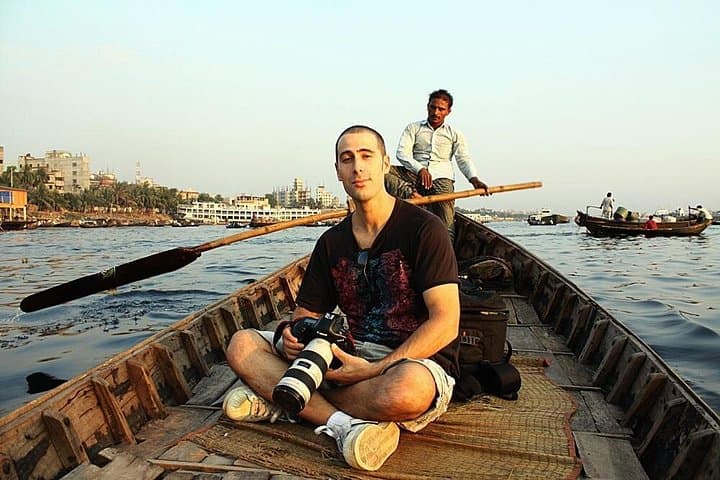
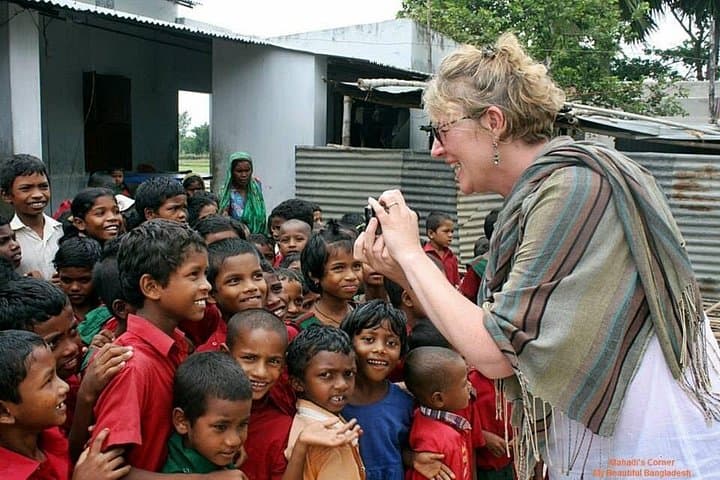
Before dawn the city exhales steam and bargaining calls — Old Dhaka wakes in a rush of carts, rickshaws and the metallic clang of shipyards along the Buriganga. You thread narrow lanes where flower sellers lay out garlands, vendors haul fish across rail tracks, and the river dares you to watch its traffic of small boats pushing forward beneath rusting cranes.
Before dawn the city exhales steam and bargaining calls — Old Dhaka wakes in a rush of carts, rickshaws and the metallic clang of shipyards along the Buriganga. You thread narrow lanes where flower sellers lay out garlands, vendors haul fish across rail tracks, and the river dares you to watch its traffic of small boats pushing forward beneath rusting cranes.
This tour stitches Mughal-era relics and colonial facades with the living economy of Bangladesh’s capital. Lalbagh Fort (17th century) and Curzon Hall (early 20th century) show layers of imperial and educational history; the Star Mosque and an Armenian church reflect the city’s plural past. Geologically, Dhaka sits on the alluvial plains of the Ganges–Brahmaputra delta—flat, river-cut terrain that made the Buriganga a working artery and shipbuilding yard for centuries.
Practical guidance is simple: start early for the wholesale markets when light and activity are best, and finish mid-afternoon with a boat ride to see the dockyard at work. Respect religious sites—long sleeves and head coverings for women, shoes off inside mosques—and keep valuables close in crowded markets. Footwear should handle dust, wet fish stalls and occasional slick wooden steps at river landings.
Expect a mix of walking, short rickshaw hops and a calm boat leg; a guide helps navigate bargaining, photography etiquette and local flavors like tea and bakarkhani. Bring local cash, a lightweight cover for religious sites, and patience — Dhaka’s rhythm can be abrupt but richly rewarding for those who move with it.