THE ADVENTURE COLLECTIVE® · Independent discovery and booking for outdoor travel

See Dubai’s skyline and souks in a single day — from a breezy abra crossing on Dubai Creek to panoramic views of the Burj Khalifa and a walk through Al Fahidi’s wind-tower lanes. This full-day guided tour balances modern landmarks with the city’s living heritage.
See Dubai’s skyline and souks in a single day — from a breezy abra crossing on Dubai Creek to panoramic views of the Burj Khalifa and a walk through Al Fahidi’s wind-tower lanes. This full-day guided tour balances modern landmarks with the city’s living heritage.
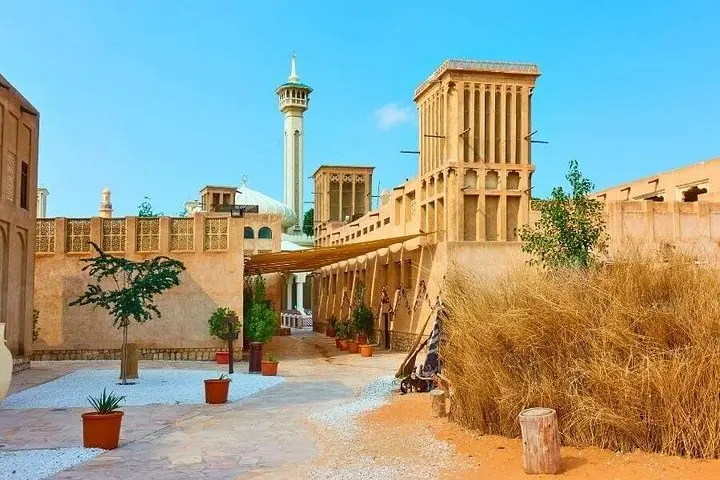
You step out of an air-conditioned vehicle into a sunlit lane where the scent of saffron and cardamom drifts from woven baskets — Dubai reveals itself in sudden contrasts. The tour threads between glittering skyscrapers and low-rise wind-tower alleys along Dubai Creek, where traditional abras ferry commuters and traders across water that once sustained a pearling economy.
Verified experiences and guided adventures in the surrounding area.
Operated by Explore More Tourism LLC · Dubai, Dubai
You step out of an air-conditioned vehicle into a sunlit lane where the scent of saffron and cardamom drifts from woven baskets — Dubai reveals itself in sudden contrasts. The tour threads between glittering skyscrapers and low-rise wind-tower alleys along Dubai Creek, where traditional abras ferry commuters and traders across water that once sustained a pearling economy.
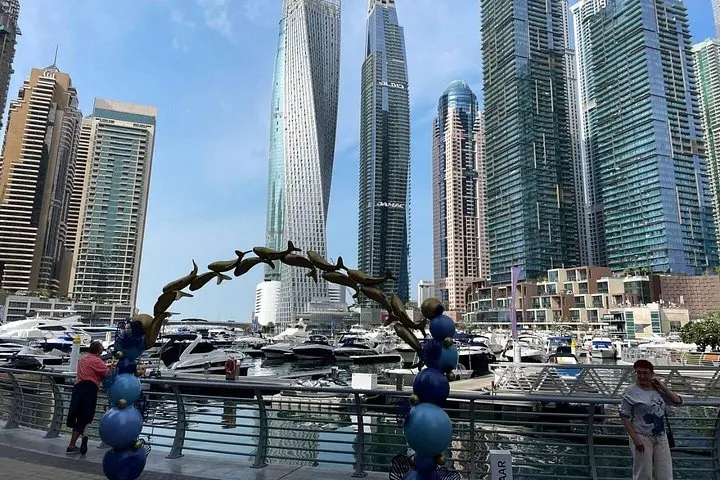
Historically the creek was the city’s heartbeat: pearling camps and dhows tied to a coastline that enabled trade across the Gulf. Geologically, Dubai sits on a flat coastal plain of alluvial sands and sabkha (salt flats) that made large-scale reclamation and modern construction possible — a key reason the city’s skyline is so uncompromisingly vertical.
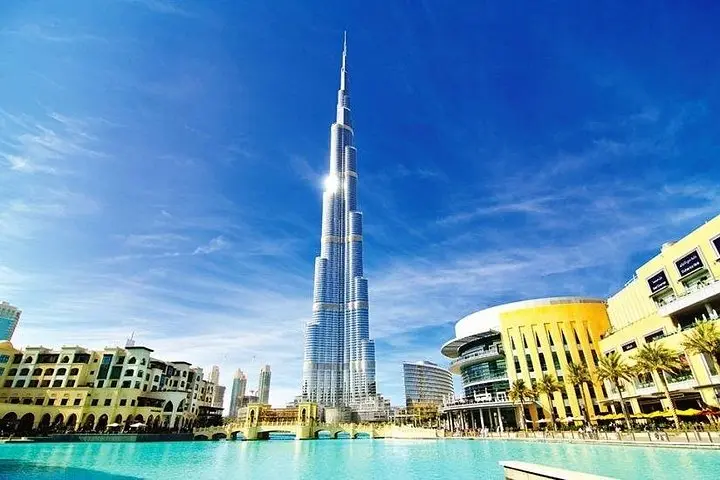
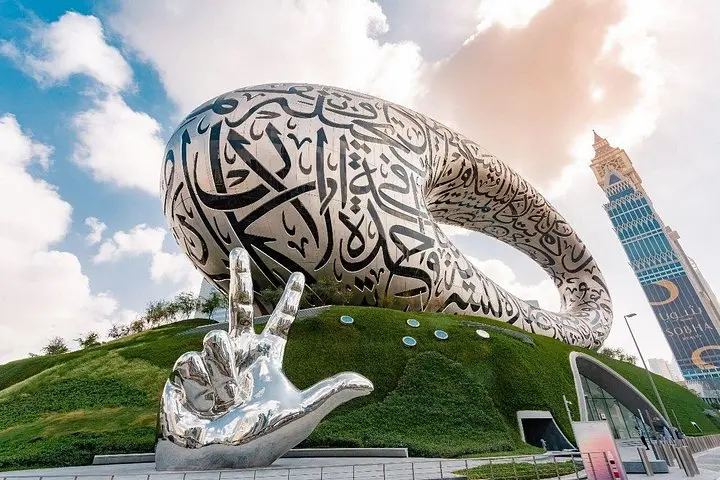
Culturally the route balances commerce and continuity: gold merchants polishing wares in narrow souks, Al Fahidi’s wind towers framing galleries, and futuristic statements like the Burj Khalifa and Museum of the Future representing rapid urban reinvention.
Practical guidance: expect about 8–9 hours with 2 hours of driving and multiple short walks; comfortable shoes and sun protection matter more than mountaineering gear. Plan morning or late-afternoon museum visits to avoid peak heat. Haggle respectfully in souks; carry small bills for abra rides and tips. If you’re sensitive to crowds or heat, request earlier pickup or a shorter, private itinerary — many operators include hotel pickup and accessible options. Hydrate frequently, keep a copy of your passport for museum entries, and allow time at Dubai Mall or Jumeirah for free-roam photos — the city’s contrasts are experienced best when you let its old routes and new avenues shape the day.
Yes — most departures include hotel, port and central pickup and drop-off; confirm your pickup point at booking.
The tour description includes museum entrance fees for specific stops, but check the itinerary for attractions with optional paid entries like Burj Khalifa observation decks.
The operator lists wheelchair accessibility for vehicle transport and some flat areas, but accessibility at historic sites may be limited; request details when booking.
Expect short walks at each stop (souks, museums, viewpoints) totaling light to moderate walking spread across the day.
Explore More Tourism LLC operates guided outdoor trips and adventures with an emphasis on safety, stewardship, and memorable experiences.
You step out of an air-conditioned vehicle into a sunlit lane where the scent of saffron and cardamom drifts from woven baskets — Dubai reveals itself in sudden contrasts. The tour threads between glittering skyscrapers and low-rise wind-tower alleys along Dubai Creek, where traditional abras ferry commuters and traders across water that once sustained a pearling economy.
You step out of an air-conditioned vehicle into a sunlit lane where the scent of saffron and cardamom drifts from woven baskets — Dubai reveals itself in sudden contrasts. The tour threads between glittering skyscrapers and low-rise wind-tower alleys along Dubai Creek, where traditional abras ferry commuters and traders across water that once sustained a pearling economy.
Historically the creek was the city’s heartbeat: pearling camps and dhows tied to a coastline that enabled trade across the Gulf. Geologically, Dubai sits on a flat coastal plain of alluvial sands and sabkha (salt flats) that made large-scale reclamation and modern construction possible — a key reason the city’s skyline is so uncompromisingly vertical.
Culturally the route balances commerce and continuity: gold merchants polishing wares in narrow souks, Al Fahidi’s wind towers framing galleries, and futuristic statements like the Burj Khalifa and Museum of the Future representing rapid urban reinvention.
Practical guidance: expect about 8–9 hours with 2 hours of driving and multiple short walks; comfortable shoes and sun protection matter more than mountaineering gear. Plan morning or late-afternoon museum visits to avoid peak heat. Haggle respectfully in souks; carry small bills for abra rides and tips. If you’re sensitive to crowds or heat, request earlier pickup or a shorter, private itinerary — many operators include hotel pickup and accessible options. Hydrate frequently, keep a copy of your passport for museum entries, and allow time at Dubai Mall or Jumeirah for free-roam photos — the city’s contrasts are experienced best when you let its old routes and new avenues shape the day.