THE ADVENTURE COLLECTIVE® · Independent discovery and booking for outdoor travel

Walk a rare coffee plantation where subtropical fruit trees shade the northernmost commercial coffee in Europe. This guided 70–90 minute tour combines agricultural history, wildlife spotting and practical lessons in sustainable farming.
Walk a rare coffee plantation where subtropical fruit trees shade the northernmost commercial coffee in Europe. This guided 70–90 minute tour combines agricultural history, wildlife spotting and practical lessons in sustainable farming.
The walk begins on a narrow lane lined with lush tropical trees; leaves brush your shoulders and the air smells faintly of citrus and wet earth. Visitors move uphill through terraces where dragon fruit vines and red banana bunches shoulder rows of coffee shrubs, and a farmhouse older than most modern states watches over the fields.
Verified experiences and guided adventures in the surrounding area.
Operated by Manolo Mateos · Agaete, Las Palmas
The walk begins on a narrow lane lined with lush tropical trees; leaves brush your shoulders and the air smells faintly of citrus and wet earth. Visitors move uphill through terraces where dragon fruit vines and red banana bunches shoulder rows of coffee shrubs, and a farmhouse older than most modern states watches over the fields.
This corner of the Canary Islands carries a layered past — plantation agriculture introduced in the 18th–19th centuries, adaptation to volcanic soils, and now small-scale coffee production that survives at the edge of viable latitude. Geology matters here: volcanic slopes create microclimates and well-draining soils that let subtropical species thrive farther north than on the mainland.
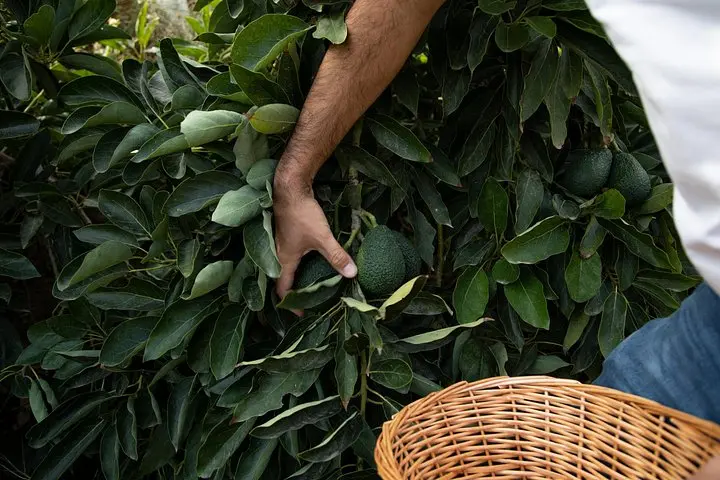
Culturally the farm blends Canarian rural life and experimental horticulture; guides explain varietal trials, pollination windows, and traditional drying patios while pointing out macadamias and custard apples. Wildlife is present but discreet — chameleons may freeze on a branch while parroting insects fill the understory.
Practical guidance: plan for a 70–90 minute walking tour with steady uphill sections; avoid midday heat, bring closed shoes and at least 1 liter of water, and mention pollen allergies when booking. The farm emphasizes sustainable practices — water recycling, organic fertilization, and integrated pest management — so expect low-impact trails and educational stops rather than intensive mechanized agriculture.
By the end of the loop guests sample the story of a rare northern coffee crop, stand under exotic fruit canopies and learn how a small farm keeps a tropical experiment alive in European latitude.
Small-scale commercial coffee is extremely rare in Europe; this plantation is promoted as the northernmost commercial coffee cultivation in Europe, thanks to local microclimate conditions.
Tours typically include explanations of processing and may offer samples or a small tasting—confirm inclusion when booking or request a tasting in advance.
Yes, children can join but the terrain includes steep slopes and uneven paths; supervise kids closely and avoid peak heat times.
Yes — the farm usually offers a selection of fruits and products; visitors often get a discount on purchases as part of the tour inclusions.
Manolo Mateos operates guided outdoor trips and adventures with an emphasis on safety, stewardship, and memorable experiences.
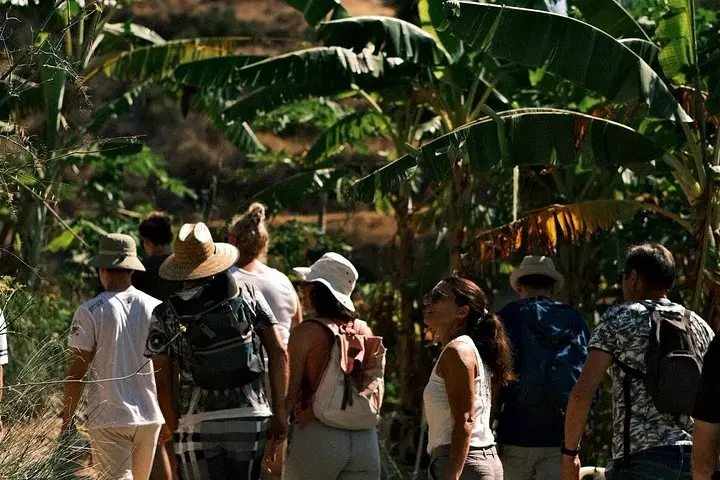
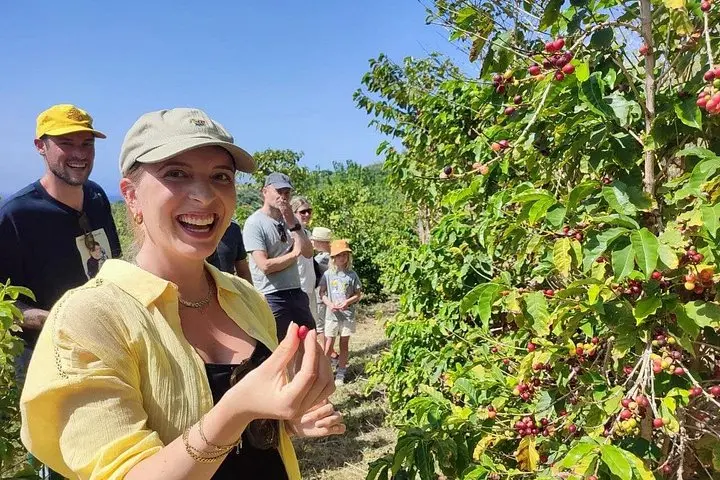
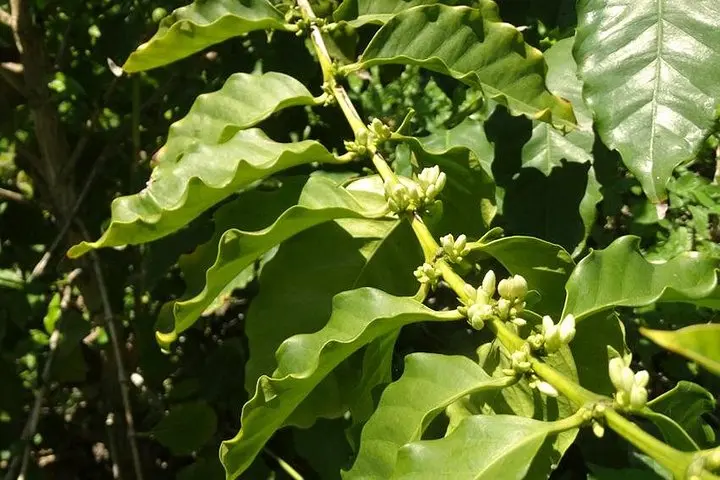
The walk begins on a narrow lane lined with lush tropical trees; leaves brush your shoulders and the air smells faintly of citrus and wet earth. Visitors move uphill through terraces where dragon fruit vines and red banana bunches shoulder rows of coffee shrubs, and a farmhouse older than most modern states watches over the fields.
The walk begins on a narrow lane lined with lush tropical trees; leaves brush your shoulders and the air smells faintly of citrus and wet earth. Visitors move uphill through terraces where dragon fruit vines and red banana bunches shoulder rows of coffee shrubs, and a farmhouse older than most modern states watches over the fields.
This corner of the Canary Islands carries a layered past — plantation agriculture introduced in the 18th–19th centuries, adaptation to volcanic soils, and now small-scale coffee production that survives at the edge of viable latitude. Geology matters here: volcanic slopes create microclimates and well-draining soils that let subtropical species thrive farther north than on the mainland.
Culturally the farm blends Canarian rural life and experimental horticulture; guides explain varietal trials, pollination windows, and traditional drying patios while pointing out macadamias and custard apples. Wildlife is present but discreet — chameleons may freeze on a branch while parroting insects fill the understory.
Practical guidance: plan for a 70–90 minute walking tour with steady uphill sections; avoid midday heat, bring closed shoes and at least 1 liter of water, and mention pollen allergies when booking. The farm emphasizes sustainable practices — water recycling, organic fertilization, and integrated pest management — so expect low-impact trails and educational stops rather than intensive mechanized agriculture.
By the end of the loop guests sample the story of a rare northern coffee crop, stand under exotic fruit canopies and learn how a small farm keeps a tropical experiment alive in European latitude.