THE ADVENTURE COLLECTIVE® · Independent discovery and booking for outdoor travel

A compact 2D1N private tour from Bandung that pairs a moderate trek up Mount Papandayan’s volcanic slopes with cultural stops at Cangkuang Temple, a Kopi Luwak farm, and Curug Jagapati waterfall. Ideal for travelers who want geology, coffee culture, and easy village access in one trip.
A compact 2D1N private tour from Bandung that pairs a moderate trek up Mount Papandayan’s volcanic slopes with cultural stops at Cangkuang Temple, a Kopi Luwak farm, and Curug Jagapati waterfall. Ideal for travelers who want geology, coffee culture, and easy village access in one trip.
You step out of the air‑conditioned van and cool mountain air takes the city heat and traffic off your shoulders. The slopes of Mount Papandayan rise like a weathered guardian—2,665 meters of volcanic rock and steaming vents—while a low sulfur breath curls over the trail and nudges you onward.
Verified experiences and guided adventures in the surrounding area.
Operated by JavaJivi Backpacker · Garut, West Java
You step out of the air‑conditioned van and cool mountain air takes the city heat and traffic off your shoulders. The slopes of Mount Papandayan rise like a weathered guardian—2,665 meters of volcanic rock and steaming vents—while a low sulfur breath curls over the trail and nudges you onward.
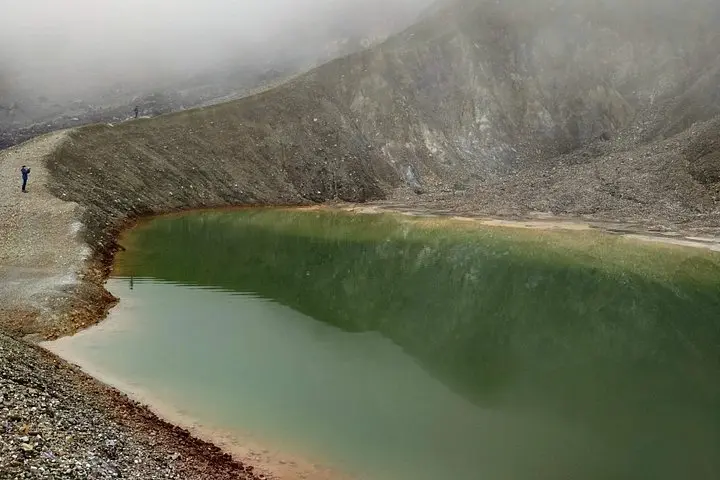
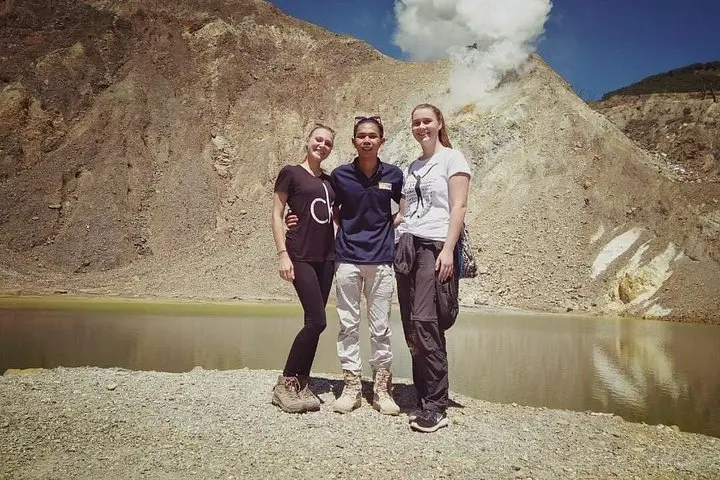
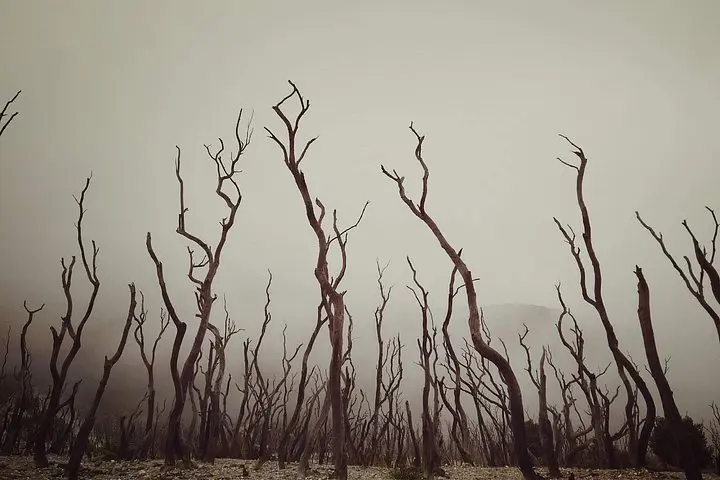
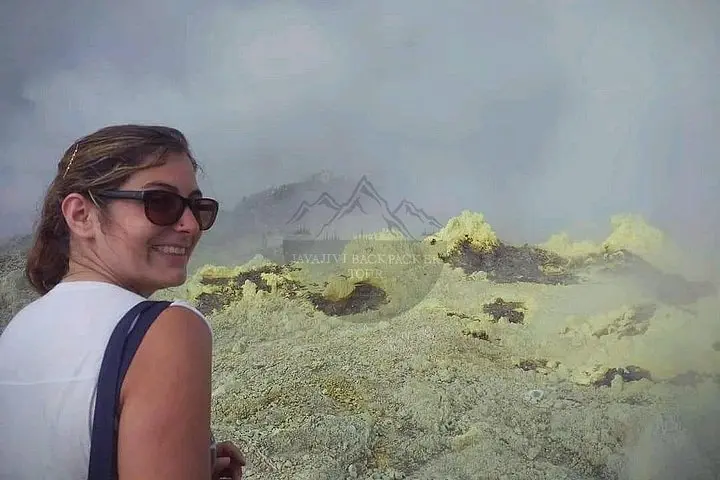
This two‑day loop blends active geology and quiet cultural sites. Papandayan’s summit area and active sulfur crater are classic examples of young volcanic terrain: stony trails, fumaroles that exhale white gas, and meadows recovering from past eruptions. Cangkuang Temple, set on a small island reached by bamboo raft, offers a compact look at pre‑Islamic Hindu architecture in West Java, and nearby Kampung Pulo preserves village life shaped by rice terraces and local craft. Between them, coffee farms demonstrate the Kopi Luwak process and Curug Jagapati drops into a clear plunge pool fringed with rainforest species.
Expect variable footing—rocky volcanic paths, short river crossings, and narrow village lanes—so plan for 3–6 hours of walking across varied terrain during the Papandayan segment and several short cultural stops the following day. Guides handle logistics and offers local context: sulfur safety, cultural etiquette at tombs and temples, and tips for trying regional coffee.
Practical edge: start early from Bandung to avoid traffic, carry water and a wind‑ and rain‑resistant layer, and bring small cash for village purchases. The route rewards straightforward preparation with wide views, geothermal drama, and an intimate look at Garut’s landscape and traditions.
The Papandayan section is generally rated moderate: rocky, uneven paths with some elevation gain to near the crater; expect several hours of walking at high altitude with guided pacing.
No—the bamboo raft crossing is short and calm, operated by local rowers; it’s more a cultural experience than a physical challenge.
Visits are educational; ask your guide about farming practices—ethical operations allow free-roaming civets and transparent processing rather than intensive captivity.
A local guide is recommended for safety around fumaroles, navigation on volcanic trails, and cultural context at temples and villages; the tour provides private transportation and a guide.
JavaJivi Backpacker operates guided outdoor trips and adventures with an emphasis on safety, stewardship, and memorable experiences.
You step out of the air‑conditioned van and cool mountain air takes the city heat and traffic off your shoulders. The slopes of Mount Papandayan rise like a weathered guardian—2,665 meters of volcanic rock and steaming vents—while a low sulfur breath curls over the trail and nudges you onward.
You step out of the air‑conditioned van and cool mountain air takes the city heat and traffic off your shoulders. The slopes of Mount Papandayan rise like a weathered guardian—2,665 meters of volcanic rock and steaming vents—while a low sulfur breath curls over the trail and nudges you onward.
This two‑day loop blends active geology and quiet cultural sites. Papandayan’s summit area and active sulfur crater are classic examples of young volcanic terrain: stony trails, fumaroles that exhale white gas, and meadows recovering from past eruptions. Cangkuang Temple, set on a small island reached by bamboo raft, offers a compact look at pre‑Islamic Hindu architecture in West Java, and nearby Kampung Pulo preserves village life shaped by rice terraces and local craft. Between them, coffee farms demonstrate the Kopi Luwak process and Curug Jagapati drops into a clear plunge pool fringed with rainforest species.
Expect variable footing—rocky volcanic paths, short river crossings, and narrow village lanes—so plan for 3–6 hours of walking across varied terrain during the Papandayan segment and several short cultural stops the following day. Guides handle logistics and offers local context: sulfur safety, cultural etiquette at tombs and temples, and tips for trying regional coffee.
Practical edge: start early from Bandung to avoid traffic, carry water and a wind‑ and rain‑resistant layer, and bring small cash for village purchases. The route rewards straightforward preparation with wide views, geothermal drama, and an intimate look at Garut’s landscape and traditions.