THE ADVENTURE COLLECTIVE® · Independent discovery and booking for outdoor travel

Walk through scaled-down villages representing all twelve regions of Georgia in a single visit. This guided open-air museum tour pairs panoramic Tbilisi views with hands-on cultural interpretation and family-friendly access.
Walk through scaled-down villages representing all twelve regions of Georgia in a single visit. This guided open-air museum tour pairs panoramic Tbilisi views with hands-on cultural interpretation and family-friendly access.
You meet your guide outside Rustaveli metro, the city hum at your back, and climb toward a forested ridge where whole houses wait like chapters of a book. The path opens onto a spread of relocated wooden and stone dwellings—Balto roofs, Svan towers, lowland verandas—each room arranged as if someone might return by dusk.
Verified experiences and guided adventures in the surrounding area.
Operated by TripLab · Tbilisi, Tbilisi
You meet your guide outside Rustaveli metro, the city hum at your back, and climb toward a forested ridge where whole houses wait like chapters of a book. The path opens onto a spread of relocated wooden and stone dwellings—Balto roofs, Svan towers, lowland verandas—each room arranged as if someone might return by dusk.
The open-air ethnographic collection brings together architecture and craft from Georgia’s regions: mountain Svaneti towers that read like defiant geology, lowland Kakheti wine presses, and Mingrelian wooden porches. The museum’s ensembles trace centuries of building technique, social customs, and material culture, and the hillside position offers sweeping views of Tbilisi’s layers—Soviet apartment blocks, 19th-century facades, and the modern skyline beyond.
Culturally, the site is a compact field guide to regional dress, household tools, and rural economies driven by viticulture, herding, and artisan work. Guides typically interpret construction methods and daily life—how roofs shed snow, how smoke once cured cheese—and point out details easy to miss: carved lintels, hidden cellars, and communal ovens.
Practically, expect uneven packed-earth paths and short climbs between exhibits; wear sturdy shoes and dress in layers. Tours last about three hours with admission and transport arranged from the meeting point, and they’re family-friendly with stroller-accessible sections. Bring water, a camera, and curiosity: this is a museum you experience by moving through it, listening to the places rather than reading about them.
Meet your guide in front of Rustaveli metro station; the guide can also arrange a pickup if you share your location.
Yes—admission to the open-air museum is included in the tour price.
The tour is family-friendly and partly stroller-accessible, though some exhibits are reached by uneven paths or steps.
Expect about three hours total with moderate walking between exhibits and short climbs; benches and viewpoints provide rest stops.
TripLab operates guided outdoor trips and adventures with an emphasis on safety, stewardship, and memorable experiences.
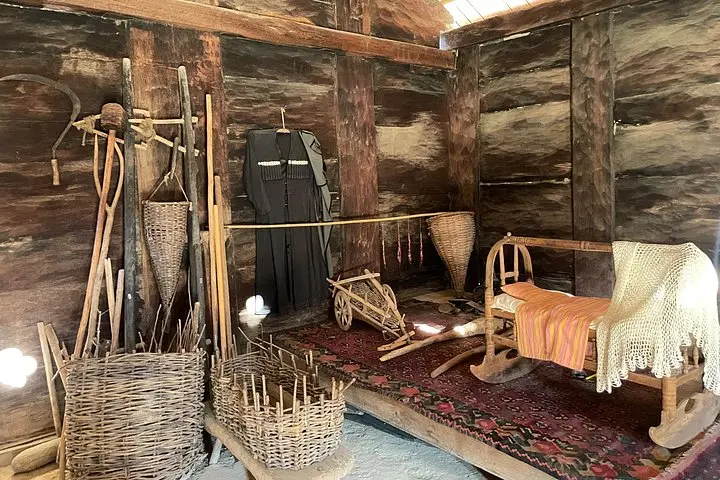
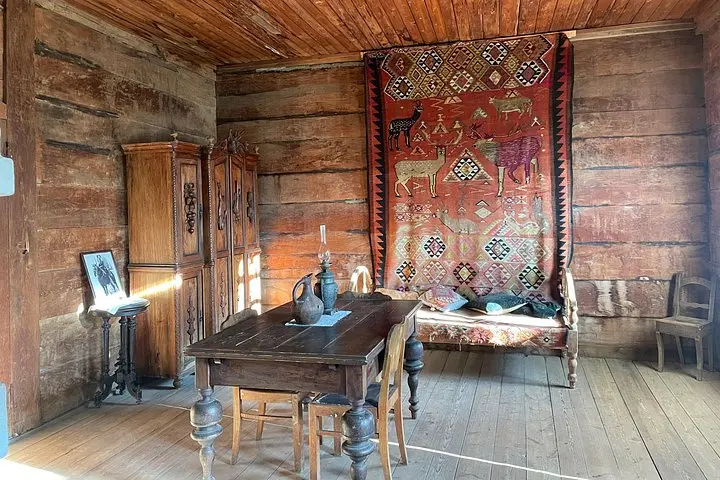
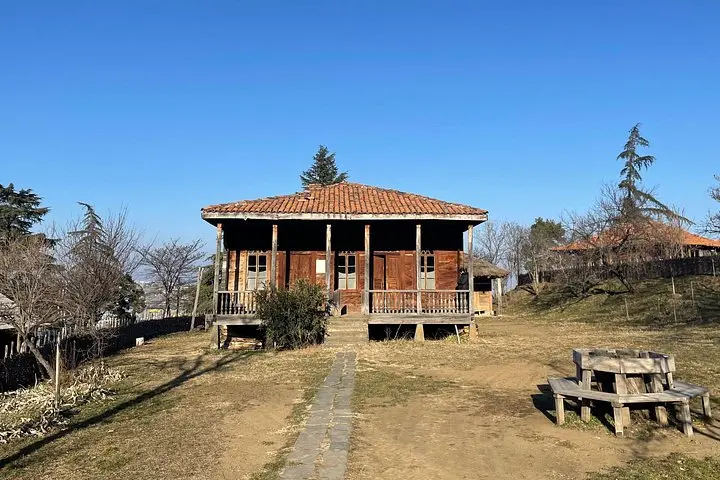
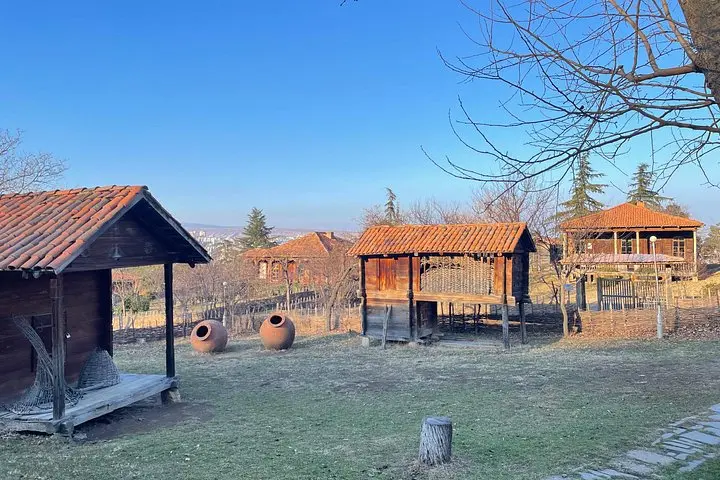
You meet your guide outside Rustaveli metro, the city hum at your back, and climb toward a forested ridge where whole houses wait like chapters of a book. The path opens onto a spread of relocated wooden and stone dwellings—Balto roofs, Svan towers, lowland verandas—each room arranged as if someone might return by dusk.
You meet your guide outside Rustaveli metro, the city hum at your back, and climb toward a forested ridge where whole houses wait like chapters of a book. The path opens onto a spread of relocated wooden and stone dwellings—Balto roofs, Svan towers, lowland verandas—each room arranged as if someone might return by dusk.
The open-air ethnographic collection brings together architecture and craft from Georgia’s regions: mountain Svaneti towers that read like defiant geology, lowland Kakheti wine presses, and Mingrelian wooden porches. The museum’s ensembles trace centuries of building technique, social customs, and material culture, and the hillside position offers sweeping views of Tbilisi’s layers—Soviet apartment blocks, 19th-century facades, and the modern skyline beyond.
Culturally, the site is a compact field guide to regional dress, household tools, and rural economies driven by viticulture, herding, and artisan work. Guides typically interpret construction methods and daily life—how roofs shed snow, how smoke once cured cheese—and point out details easy to miss: carved lintels, hidden cellars, and communal ovens.
Practically, expect uneven packed-earth paths and short climbs between exhibits; wear sturdy shoes and dress in layers. Tours last about three hours with admission and transport arranged from the meeting point, and they’re family-friendly with stroller-accessible sections. Bring water, a camera, and curiosity: this is a museum you experience by moving through it, listening to the places rather than reading about them.