THE ADVENTURE COLLECTIVE® · Independent discovery and booking for outdoor travel

A family-friendly science museum in Guangzhou’s Tianhe District, Grandview offers towering dinosaur mounts, interactive space exhibits, and practical hands-on labs. Perfect for a 1–2 hour stop on a city day.
A family-friendly science museum in Guangzhou’s Tianhe District, Grandview offers towering dinosaur mounts, interactive space exhibits, and practical hands-on labs. Perfect for a 1–2 hour stop on a city day.
You step from the air-conditioned hum of Tianhe’s malls into galleries stacked like chapters of deep time: bones rise like punctuation, star fields glow overhead, and a T. rex seems to lean toward you with theatrical posture. The Grandview Museum of Natural Science stretches across floors, moving visitors from the origin of the universe to the seas that once covered southern China.
Verified experiences and guided adventures in the surrounding area.
Operated by GlobalTix (Hong Kong) Pte Limited · Guangzhou, Guangdong
You step from the air-conditioned hum of Tianhe’s malls into galleries stacked like chapters of deep time: bones rise like punctuation, star fields glow overhead, and a T. rex seems to lean toward you with theatrical posture. The Grandview Museum of Natural Science stretches across floors, moving visitors from the origin of the universe to the seas that once covered southern China.
The museum opened as part of Guangzhou’s modern push to broaden public science education in a rapidly urbanizing district. Exhibits combine mounted dinosaur skeletons and marine fossil casts with interactive planetarium-style displays and classroom-style hands-on labs—an approach that reflects contemporary museum practice blending specimen-based history, geology, and STEM outreach.
Culturally, the museum lands in Tianhe, a commercial heart where families and school groups converge on weekends; the layout and bilingual signage reflect that mix. Geologically, the displays emphasize southern China’s fossil-rich strata and prehistoric marine incursions that shaped regional paleontology.
Practical notes: expect 60–120 minutes for a focused visit, longer for workshops or peak weekend crowds. Public transit reaches the area; bring your passport for admission, watch for dimly lit and narrow sections if you have mobility or claustrophobia concerns, and check in advance for special exhibits or planetarium showtimes. To get the most from a short visit, head first to the dinosaur hall, then finish with space and the hands-on labs—save quieter galleries for a slower second pass.
Plan 60–120 minutes for the main exhibits; allow longer if you attend a planetarium show, workshop, or visit during peak times.
Elevators are available but some narrow pathways and exhibit zones can be tight—contact the venue ahead if you need detailed accessibility information.
Bring your passport for admission; you’ll receive a QR code by email that will be used to validate your ticket.
Many exhibits are family-friendly, but loud audio effects in dinosaur displays and dim, enclosed spaces may unsettle infants under one year.
GlobalTix (Hong Kong) Pte Limited operates guided outdoor trips and adventures with an emphasis on safety, stewardship, and memorable experiences.
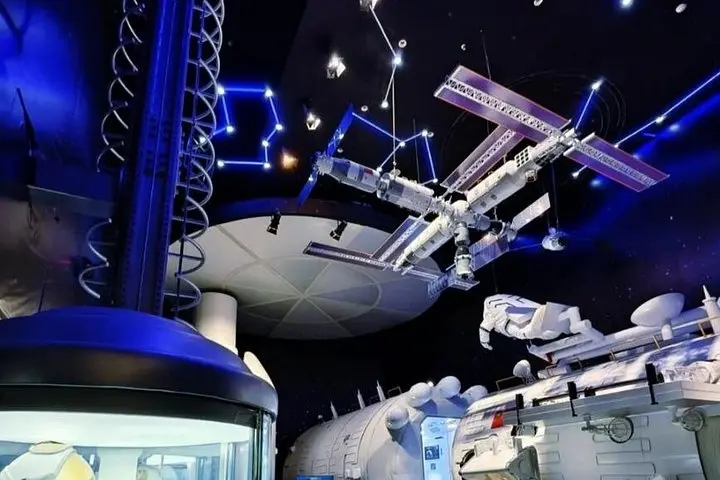
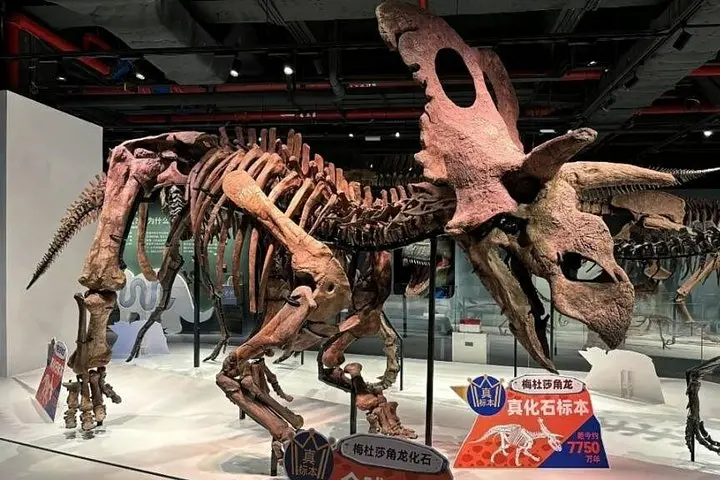
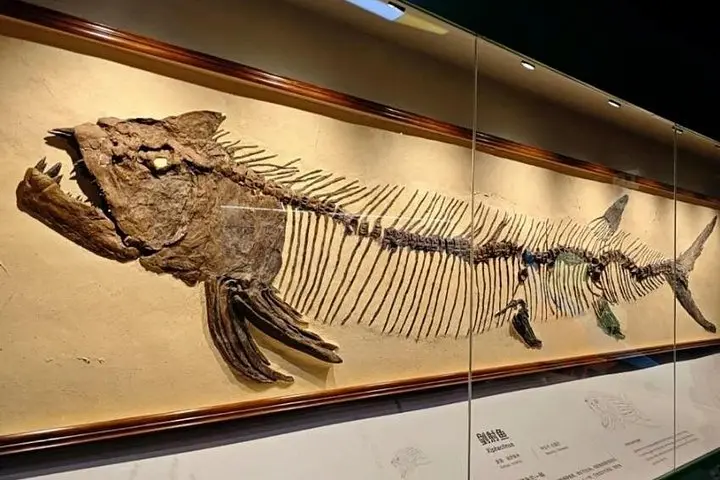
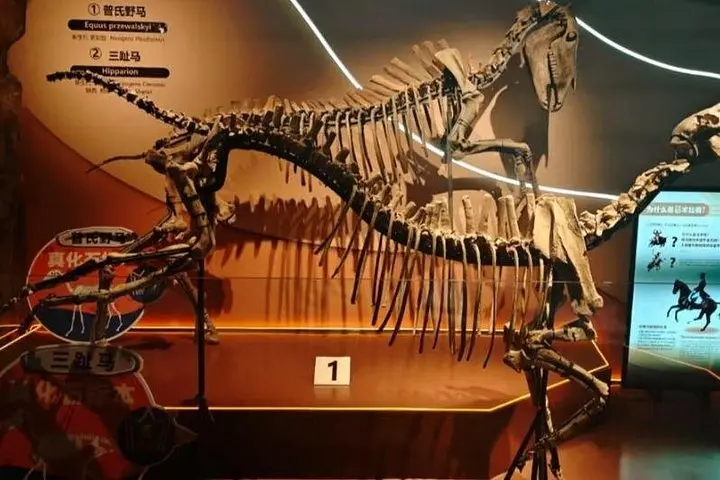
You step from the air-conditioned hum of Tianhe’s malls into galleries stacked like chapters of deep time: bones rise like punctuation, star fields glow overhead, and a T. rex seems to lean toward you with theatrical posture. The Grandview Museum of Natural Science stretches across floors, moving visitors from the origin of the universe to the seas that once covered southern China.
You step from the air-conditioned hum of Tianhe’s malls into galleries stacked like chapters of deep time: bones rise like punctuation, star fields glow overhead, and a T. rex seems to lean toward you with theatrical posture. The Grandview Museum of Natural Science stretches across floors, moving visitors from the origin of the universe to the seas that once covered southern China.
The museum opened as part of Guangzhou’s modern push to broaden public science education in a rapidly urbanizing district. Exhibits combine mounted dinosaur skeletons and marine fossil casts with interactive planetarium-style displays and classroom-style hands-on labs—an approach that reflects contemporary museum practice blending specimen-based history, geology, and STEM outreach.
Culturally, the museum lands in Tianhe, a commercial heart where families and school groups converge on weekends; the layout and bilingual signage reflect that mix. Geologically, the displays emphasize southern China’s fossil-rich strata and prehistoric marine incursions that shaped regional paleontology.
Practical notes: expect 60–120 minutes for a focused visit, longer for workshops or peak weekend crowds. Public transit reaches the area; bring your passport for admission, watch for dimly lit and narrow sections if you have mobility or claustrophobia concerns, and check in advance for special exhibits or planetarium showtimes. To get the most from a short visit, head first to the dinosaur hall, then finish with space and the hands-on labs—save quieter galleries for a slower second pass.