THE ADVENTURE COLLECTIVE® · Independent discovery and booking for outdoor travel

Walk through Gwanghwamun Gate into two centuries of Joseon court life on a focused, two-hour guided tour of Gyeongbokgung Palace. Learn the rituals, architecture, and stories behind Seoul’s grandest palace while receiving practical tips for timing, attire, and accessibility.
Walk through Gwanghwamun Gate into two centuries of Joseon court life on a focused, two-hour guided tour of Gyeongbokgung Palace. Learn the rituals, architecture, and stories behind Seoul’s grandest palace while receiving practical tips for timing, attire, and accessibility.
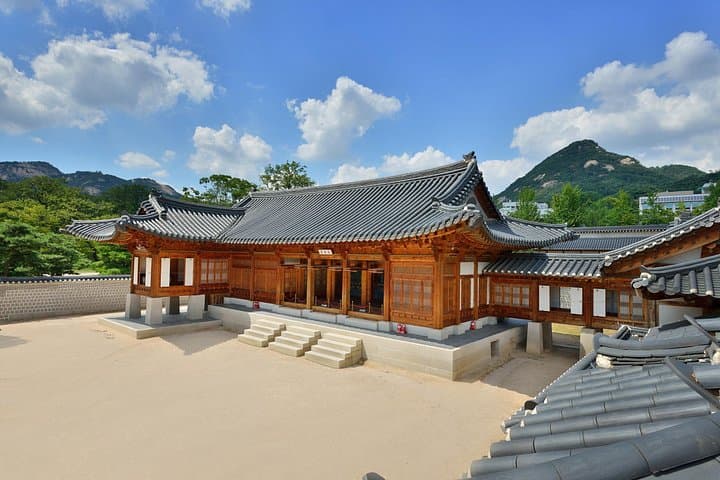
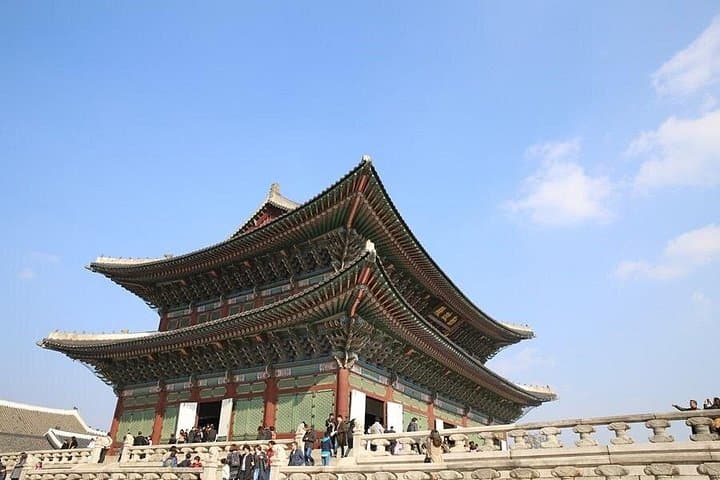
A visitor steps beneath the carved timbers of Gwanghwamun Gate and the city’s modern noise drops away, replaced by the measured creak of wooden doors and the low ripple of a palace pond daring you to pause. Stone courtyards open like pages of a history book: Geunjeongjeon Hall’s raised platform where kings once received envoys, the pavilion over still water that catches the sky, and quieter residential halls that hint at daily court life.
Verified experiences and guided adventures in the surrounding area.
Operated by Sunny Tour · Seoul, Seoul
A visitor steps beneath the carved timbers of Gwanghwamun Gate and the city’s modern noise drops away, replaced by the measured creak of wooden doors and the low ripple of a palace pond daring you to pause. Stone courtyards open like pages of a history book: Geunjeongjeon Hall’s raised platform where kings once received envoys, the pavilion over still water that catches the sky, and quieter residential halls that hint at daily court life.
Gyeongbokgung was first built in 1395 during the Joseon Dynasty and has been rebuilt and restored through centuries of upheaval — including large-scale damage in the early 20th century and careful reconstruction since. The palace sits on the northern edge of central Seoul, with architecture that reflects Confucian planning and an emphasis on axial symmetry; pavilions and ponds use local stone and timber, while courtyards frame views toward Bukhansan to the north.
On a guided two-hour tour, a local guide threads stories of royal protocol, seasonal ceremonies, and feng-shui thinking into straightforward observations about the buildings and grounds. Visiters often pair the tour with hanbok rentals — traditional dress that enhances photographs and, at many palaces, waives entry fees.
Practical guidance: arrive early to avoid crowds and catch the guard ceremony, wear supportive shoes for cobbled paths, and carry water and sun protection; rest benches are available, and the site is wheelchair accessible. The tour includes admission and runs about two hours—ideal for travelers who want a concise, contextual introduction to Korea’s royal past without sacrificing pace or detail.
Yes—the guided tour includes admission to Gyeongbokgung Palace as part of the booking.
The palace provides wheelchair-accessible routes and transportation options; some historic thresholds and courtyards may have uneven surfaces.
Yes—many visitors wear hanbok to enhance the cultural experience; at several palaces wearing traditional dress can also mean free or discounted admission.
The tour is cancelled if there are fewer than four participants; cancel at least 24 hours before departure for a full refund under the stated policy.
Sunny Tour operates guided outdoor trips and adventures with an emphasis on safety, stewardship, and memorable experiences.


A visitor steps beneath the carved timbers of Gwanghwamun Gate and the city’s modern noise drops away, replaced by the measured creak of wooden doors and the low ripple of a palace pond daring you to pause. Stone courtyards open like pages of a history book: Geunjeongjeon Hall’s raised platform where kings once received envoys, the pavilion over still water that catches the sky, and quieter residential halls that hint at daily court life.
A visitor steps beneath the carved timbers of Gwanghwamun Gate and the city’s modern noise drops away, replaced by the measured creak of wooden doors and the low ripple of a palace pond daring you to pause. Stone courtyards open like pages of a history book: Geunjeongjeon Hall’s raised platform where kings once received envoys, the pavilion over still water that catches the sky, and quieter residential halls that hint at daily court life.
Gyeongbokgung was first built in 1395 during the Joseon Dynasty and has been rebuilt and restored through centuries of upheaval — including large-scale damage in the early 20th century and careful reconstruction since. The palace sits on the northern edge of central Seoul, with architecture that reflects Confucian planning and an emphasis on axial symmetry; pavilions and ponds use local stone and timber, while courtyards frame views toward Bukhansan to the north.
On a guided two-hour tour, a local guide threads stories of royal protocol, seasonal ceremonies, and feng-shui thinking into straightforward observations about the buildings and grounds. Visiters often pair the tour with hanbok rentals — traditional dress that enhances photographs and, at many palaces, waives entry fees.
Practical guidance: arrive early to avoid crowds and catch the guard ceremony, wear supportive shoes for cobbled paths, and carry water and sun protection; rest benches are available, and the site is wheelchair accessible. The tour includes admission and runs about two hours—ideal for travelers who want a concise, contextual introduction to Korea’s royal past without sacrificing pace or detail.