THE ADVENTURE COLLECTIVE® · Independent discovery and booking for outdoor travel

Leave the tourist currents and explore Rione VI Parione on a private walking tour that reveals hidden courtyards, artisan workshops, and frescoed galleries. This customizable route blends local life, Baroque details, and riverside views for an intimate Roman experience.
Leave the tourist currents and explore Rione VI Parione on a private walking tour that reveals hidden courtyards, artisan workshops, and frescoed galleries. This customizable route blends local life, Baroque details, and riverside views for an intimate Roman experience.
You step off the beaten track and into a neighborhood where shutters clap in the late-morning sun and a narrow barrel-vaulted passage funnels the city’s stories toward the piazza. The Tiber glints nearby, daring you to look beyond the obvious monuments; your guide leads you past Castel Sant’Angelo’s stone silhouette, then into Parione’s close-knit streets where local life moves at its own tempo.
Verified experiences and guided adventures in the surrounding area.
Operated by Chao Rome Tour · Rome, Lazio
You step off the beaten track and into a neighborhood where shutters clap in the late-morning sun and a narrow barrel-vaulted passage funnels the city’s stories toward the piazza. The Tiber glints nearby, daring you to look beyond the obvious monuments; your guide leads you past Castel Sant’Angelo’s stone silhouette, then into Parione’s close-knit streets where local life moves at its own tempo.
Rione VI Parione sits on layers of Rome’s urban geology — medieval lanes draped over ancient Roman foundations. Once a market and craft quarter, the district evolved through papal reforms and Baroque reworking; frescoed arcades and discreet courtyards bear the marks of those eras. Culture here is tactile: artisan shops, espresso bars, and the Galleria Sciarra’s frescoed gallery offer intimate encounters with Roman daily life rather than grand historical statements.
Expect about 2–3 km of walking over cobblestones and flagstones with minimal elevation gain (under 50 m). Stops typically include viewpoints along the Tiber, narrow alleys with artisan workshops, Bernini’s Bridge of Angels, and the private charm of a frescoed galleria. The pace is flexible — tailored to interests in art, food, or local history.
Practical guidance: wear sturdy, flat-soled shoes for uneven cobbles; bring a refillable water bottle and a lightweight rain jacket in shoulder seasons; plan morning or late-afternoon starts to avoid the hottest hours in summer. Carry small change for cafes and keep your camera ready — the best scenes are often around the next corner.
The standard private tour lasts about 2.5 hours (150 minutes) and is customizable to focus on art, food, or history.
Yes — the route is classified as easy, but expect uneven cobblestones and occasional short stair sections; guides can slow the pace or shorten walking distances.
No — this walking tour focuses on public streets and courtyards; any museum or paid-entry sites visited would require separate tickets.
Tours operate rain or shine; a lightweight rain jacket is recommended. Note the booking policy indicates all sales are final.
Chao Rome Tour operates guided outdoor trips and adventures with an emphasis on safety, stewardship, and memorable experiences.
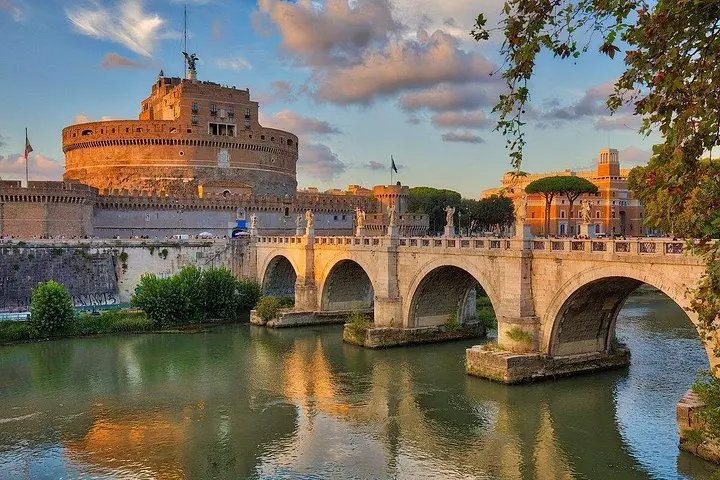
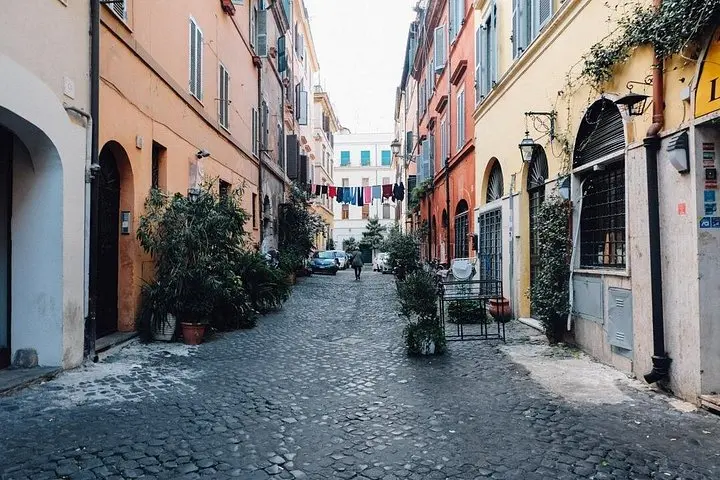


You step off the beaten track and into a neighborhood where shutters clap in the late-morning sun and a narrow barrel-vaulted passage funnels the city’s stories toward the piazza. The Tiber glints nearby, daring you to look beyond the obvious monuments; your guide leads you past Castel Sant’Angelo’s stone silhouette, then into Parione’s close-knit streets where local life moves at its own tempo.
You step off the beaten track and into a neighborhood where shutters clap in the late-morning sun and a narrow barrel-vaulted passage funnels the city’s stories toward the piazza. The Tiber glints nearby, daring you to look beyond the obvious monuments; your guide leads you past Castel Sant’Angelo’s stone silhouette, then into Parione’s close-knit streets where local life moves at its own tempo.
Rione VI Parione sits on layers of Rome’s urban geology — medieval lanes draped over ancient Roman foundations. Once a market and craft quarter, the district evolved through papal reforms and Baroque reworking; frescoed arcades and discreet courtyards bear the marks of those eras. Culture here is tactile: artisan shops, espresso bars, and the Galleria Sciarra’s frescoed gallery offer intimate encounters with Roman daily life rather than grand historical statements.
Expect about 2–3 km of walking over cobblestones and flagstones with minimal elevation gain (under 50 m). Stops typically include viewpoints along the Tiber, narrow alleys with artisan workshops, Bernini’s Bridge of Angels, and the private charm of a frescoed galleria. The pace is flexible — tailored to interests in art, food, or local history.
Practical guidance: wear sturdy, flat-soled shoes for uneven cobbles; bring a refillable water bottle and a lightweight rain jacket in shoulder seasons; plan morning or late-afternoon starts to avoid the hottest hours in summer. Carry small change for cafes and keep your camera ready — the best scenes are often around the next corner.