THE ADVENTURE COLLECTIVE® · Independent discovery and booking for outdoor travel

Walk the moats, pass through defensive gates and climb the winding corridors of Himeji Castle with a knowledgeable guide. This intimate, 2.5-hour tour mixes architectural ingenuity and Edo-period life with clear practical tips for first-time visitors.
Walk the moats, pass through defensive gates and climb the winding corridors of Himeji Castle with a knowledgeable guide. This intimate, 2.5-hour tour mixes architectural ingenuity and Edo-period life with clear practical tips for first-time visitors.
A chill from the moat lifts as you step off Himeji Station and the castle’s white silhouette resolves against the sky — not an ornament but a functioning machine of defense and elegance. The guide leads you over stone bridges and through low gates that once forced invaders to bow and slow their pace. Sunlight skims plastered walls and the tenshu looms, daring you to trace its lines upward.
Verified experiences and guided adventures in the surrounding area.
Operated by DeepExperience · Himeji, Hyōgo Prefecture
A chill from the moat lifts as you step off Himeji Station and the castle’s white silhouette resolves against the sky — not an ornament but a functioning machine of defense and elegance. The guide leads you over stone bridges and through low gates that once forced invaders to bow and slow their pace. Sunlight skims plastered walls and the tenshu looms, daring you to trace its lines upward.
Built and rebuilt over centuries and largely finalized in the early 1600s, Himeji Castle is one of Japan’s best-preserved examples of wooden fortification and was designated a UNESCO World Heritage Site in 1993. Its white clay exterior earned the nickname “White Heron,” while inner corridors reveal deliberate mazes, hidden firing holes and layered defenses that tell a practical story of the Sengoku and Edo periods. Nearby Koko-en garden and the local markets reflect the city’s civic rhythm: food stalls, lacquerware, and quiet shrines that supported samurai households.
Practical guidance: the guided tour runs about 2.5 hours and includes admission to the main keep and Nishi-no-Maru. Expect many stairs and narrow passageways — comfortable, grippy shoes and a light daypack make movement easier. Photography is allowed in most exterior areas but restricted in select interiors; follow your guide’s directions. Visit early in the morning or late afternoon to avoid peak crowds and to get clearer views from the tenshu. Hydrate before you climb; surfaces can be uneven and damp after rain. Respect barrier ropes and conservation signage: this is a living museum whose longevity depends on visitor care.
Yes — this guided tour includes admission to Himeji Castle and Nishi-no-Maru as noted in the itinerary.
The castle interior has many steep, narrow stairs and is not fully wheelchair accessible; contact the operator for options and alternative viewpoints.
Photography is generally allowed in exterior areas and some interiors, but certain rooms are restricted to protect artifacts—follow your guide's directions.
Early morning or late afternoon reduces crowds and provides softer light for views from the top of the tenshu.
DeepExperience operates guided outdoor trips and adventures with an emphasis on safety, stewardship, and memorable experiences.

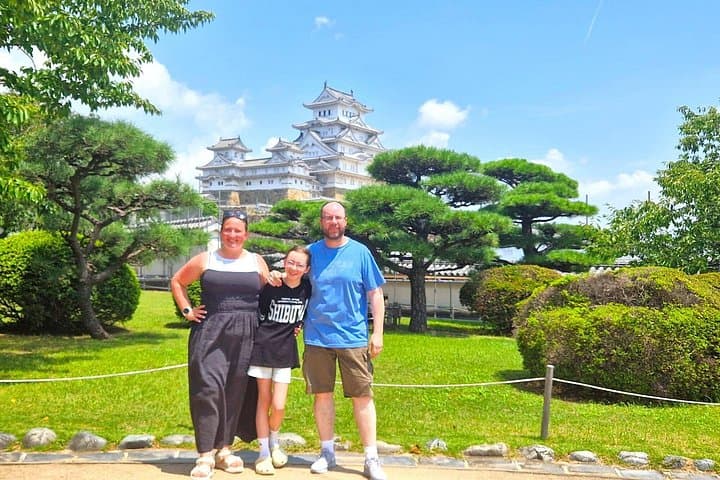
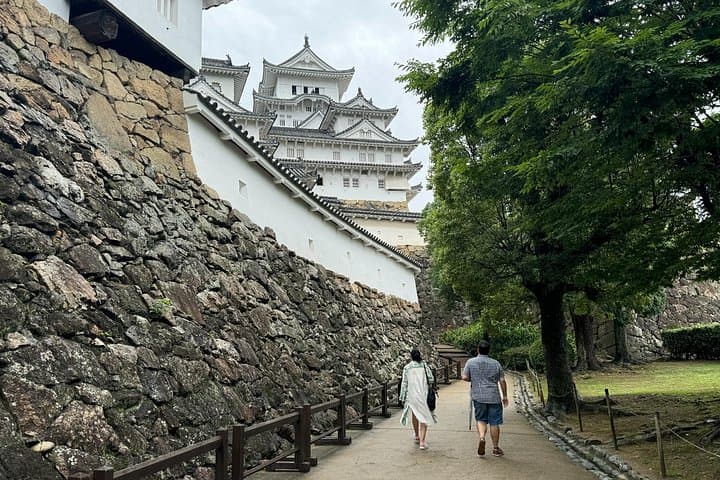
A chill from the moat lifts as you step off Himeji Station and the castle’s white silhouette resolves against the sky — not an ornament but a functioning machine of defense and elegance. The guide leads you over stone bridges and through low gates that once forced invaders to bow and slow their pace. Sunlight skims plastered walls and the tenshu looms, daring you to trace its lines upward.
A chill from the moat lifts as you step off Himeji Station and the castle’s white silhouette resolves against the sky — not an ornament but a functioning machine of defense and elegance. The guide leads you over stone bridges and through low gates that once forced invaders to bow and slow their pace. Sunlight skims plastered walls and the tenshu looms, daring you to trace its lines upward.
Built and rebuilt over centuries and largely finalized in the early 1600s, Himeji Castle is one of Japan’s best-preserved examples of wooden fortification and was designated a UNESCO World Heritage Site in 1993. Its white clay exterior earned the nickname “White Heron,” while inner corridors reveal deliberate mazes, hidden firing holes and layered defenses that tell a practical story of the Sengoku and Edo periods. Nearby Koko-en garden and the local markets reflect the city’s civic rhythm: food stalls, lacquerware, and quiet shrines that supported samurai households.
Practical guidance: the guided tour runs about 2.5 hours and includes admission to the main keep and Nishi-no-Maru. Expect many stairs and narrow passageways — comfortable, grippy shoes and a light daypack make movement easier. Photography is allowed in most exterior areas but restricted in select interiors; follow your guide’s directions. Visit early in the morning or late afternoon to avoid peak crowds and to get clearer views from the tenshu. Hydrate before you climb; surfaces can be uneven and damp after rain. Respect barrier ropes and conservation signage: this is a living museum whose longevity depends on visitor care.