THE ADVENTURE COLLECTIVE® · Independent discovery and booking for outdoor travel

Walk through downtown Mackinac Island’s living museum: a self-guided route of historic homes, a working blacksmith shop, and an art museum that charts the island’s cultural shifts. Practical tips on timing, accessibility, and what to expect inside.
Walk through downtown Mackinac Island’s living museum: a self-guided route of historic homes, a working blacksmith shop, and an art museum that charts the island’s cultural shifts. Practical tips on timing, accessibility, and what to expect inside.
You step off the ferry and the wind from Lake Huron nudges Main Street into motion: bicycles ring, wooden sidewalks creak, and a faint clink of a blacksmith’s hammer threads through the air. Historic Downtown Mackinac spreads along those streets — a sequence of small museums and period buildings that let the island’s layered past speak plainly.
Verified experiences and guided adventures in the surrounding area.
Operated by Fort Mackinac · Mackinac Island, Michigan
You step off the ferry and the wind from Lake Huron nudges Main Street into motion: bicycles ring, wooden sidewalks creak, and a faint clink of a blacksmith’s hammer threads through the air. Historic Downtown Mackinac spreads along those streets — a sequence of small museums and period buildings that let the island’s layered past speak plainly.
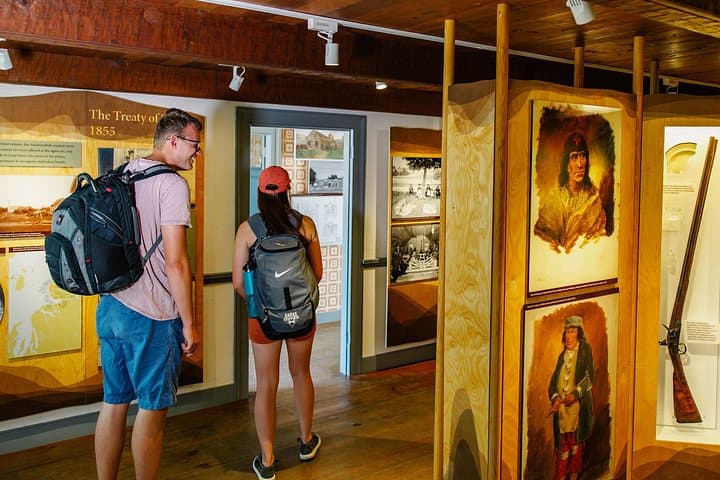
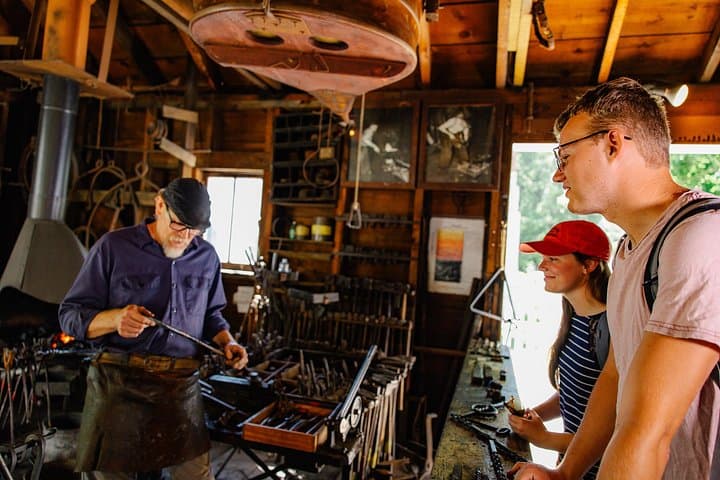
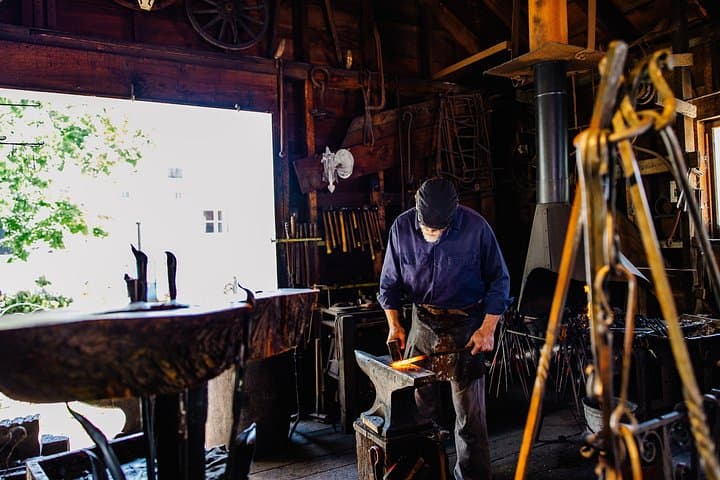
The exhibits span centuries: Anishnaabek life and the Biddle family’s story, French-Canadian domestic architecture at McGulpin House, a working 20th-century blacksmith shop, and a compact art museum holding 19th- and 20th-century views of the Straits. Geology and geography shaped this place; the island’s limestone bedrock and strategic location made it a fur-trade hub and a contested crossroads for European and Indigenous peoples. You’ll encounter artifacts that trace contact-era commerce, a medical history moment at the American Fur Co. store, and beadwork and photographs that tie present island life to older Anishnaabek practice.
This is a self-guided admission: follow placards, allow time to read exhibit panels, and pause in quieter rooms where early photographers captured slow, light-drenched views. Plan 1–3 hours depending on stops; summer draws the crowds so mornings or late afternoons are best for calm. Wear supportive shoes for wooden sidewalks and cobblestones, carry water, and treat fragile buildings with care — the island limits motor traffic and values low-impact visitation. Tickets are mobile-friendly and can be exchanged at the State Park Visitor Center or the Manoogian Museum. Embrace the pace here: history asks you to move slowly and listen.
Plan 1–3 hours depending on how many museums you enter and whether you linger at exhibits or photography displays.
Many exhibits note wheelchair accessibility, but some historic buildings have stairs or narrow doorways; contact the Mackinac Island State Park Visitor Center for specifics.
Yes — tickets can be exchanged at the State Park Visitor Center or the Richard & Jane Manoogian Mackinac Art Museum per the ticket instructions.
Only service animals are permitted inside most museums; pets can be walked on the island’s outdoor areas but not in exhibit spaces.
Fort Mackinac operates guided outdoor trips and adventures with an emphasis on safety, stewardship, and memorable experiences.

You step off the ferry and the wind from Lake Huron nudges Main Street into motion: bicycles ring, wooden sidewalks creak, and a faint clink of a blacksmith’s hammer threads through the air. Historic Downtown Mackinac spreads along those streets — a sequence of small museums and period buildings that let the island’s layered past speak plainly.
You step off the ferry and the wind from Lake Huron nudges Main Street into motion: bicycles ring, wooden sidewalks creak, and a faint clink of a blacksmith’s hammer threads through the air. Historic Downtown Mackinac spreads along those streets — a sequence of small museums and period buildings that let the island’s layered past speak plainly.
The exhibits span centuries: Anishnaabek life and the Biddle family’s story, French-Canadian domestic architecture at McGulpin House, a working 20th-century blacksmith shop, and a compact art museum holding 19th- and 20th-century views of the Straits. Geology and geography shaped this place; the island’s limestone bedrock and strategic location made it a fur-trade hub and a contested crossroads for European and Indigenous peoples. You’ll encounter artifacts that trace contact-era commerce, a medical history moment at the American Fur Co. store, and beadwork and photographs that tie present island life to older Anishnaabek practice.
This is a self-guided admission: follow placards, allow time to read exhibit panels, and pause in quieter rooms where early photographers captured slow, light-drenched views. Plan 1–3 hours depending on stops; summer draws the crowds so mornings or late afternoons are best for calm. Wear supportive shoes for wooden sidewalks and cobblestones, carry water, and treat fragile buildings with care — the island limits motor traffic and values low-impact visitation. Tickets are mobile-friendly and can be exchanged at the State Park Visitor Center or the Manoogian Museum. Embrace the pace here: history asks you to move slowly and listen.