THE ADVENTURE COLLECTIVE® · Independent discovery and booking for outdoor travel

Walk the slopes of Obersalzberg and enter the wartime bunkers where decisions of global consequence were made. This guided tour combines outdoor walking with a sobering, well-interpreted look at the Third Reich’s mountain complex.
Walk the slopes of Obersalzberg and enter the wartime bunkers where decisions of global consequence were made. This guided tour combines outdoor walking with a sobering, well-interpreted look at the Third Reich’s mountain complex.
On a crisp Bavarian morning the road climbs above Berchtesgaden and the forest tightens, the pines seeming to watch as you approach Obersalzberg. The air thins, limestone crags rise behind trees, and the landscape itself feels like a witness to events that reshaped Europe.
Verified experiences and guided adventures in the surrounding area.
Operated by Monkey Business Tours · Berchtesgaden, Bavaria
On a crisp Bavarian morning the road climbs above Berchtesgaden and the forest tightens, the pines seeming to watch as you approach Obersalzberg. The air thins, limestone crags rise behind trees, and the landscape itself feels like a witness to events that reshaped Europe.
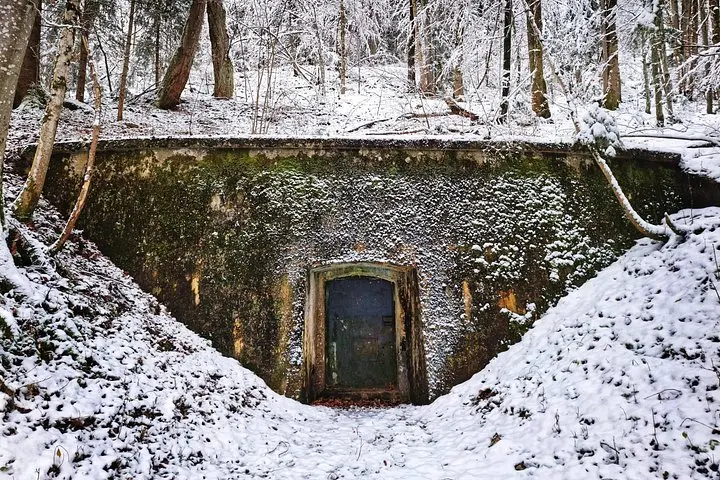
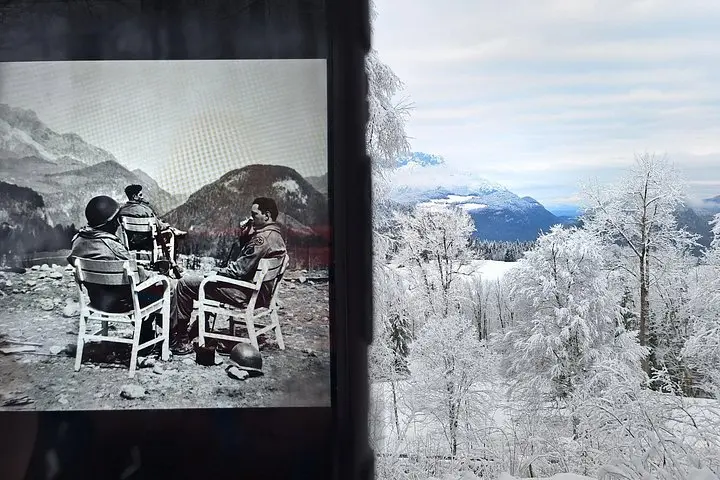
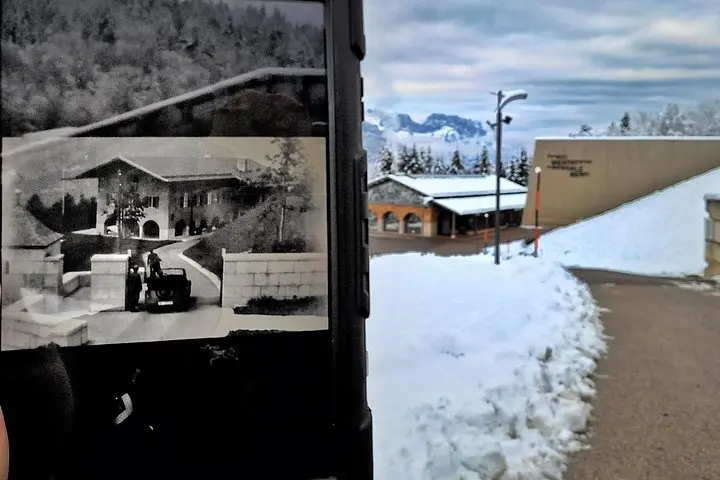
This tour traces the Obersalzberg complex—Hitler's mountain retreat turned wartime command area. Geologically the region is steep-sided Alpine limestone, carved by glaciers and weathered into sharp ridges; culturally it's a long-inhabited mountain district with salt-mining roots that predate the 20th century. Here, opulent villas and chalet-style houses were repurposed by the Nazi leadership; many are now ruins or repurposed buildings, and parts of the underground bunker network remain accessible as museum spaces.
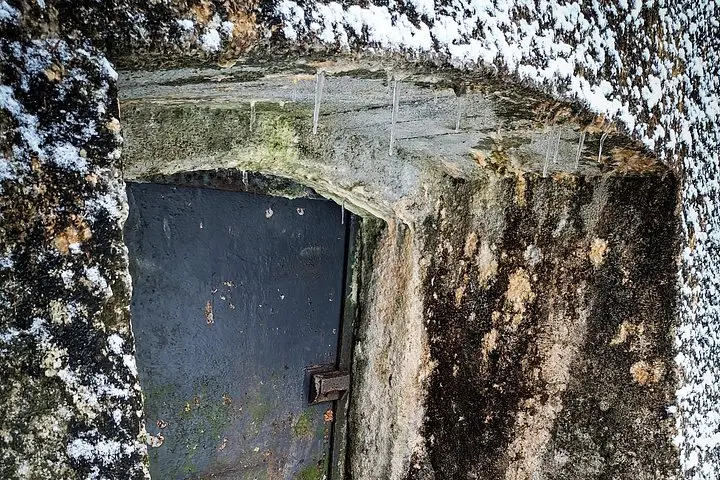
You will walk forest tracks used by Allied troops and local resistance stories linger in the undergrowth. In the bunker you move into concrete corridors where wartime markings and scorched rooms tell a stark, immediate story.
Practical guidance: expect 2 hours of outdoor walking over uneven trails and roughly 1 hour inside dim, cool bunkers—bring layered clothing and sturdy shoes. The site is reachable by public transport or short drives from Berchtesgaden; timed entries and guided-group limits mean bookings are recommended in high season. Photography is usually allowed outside; follow guide instructions inside the bunkers. This tour is best for visitors prepared for historical intensity and moderate walking; it delivers direct contact with one of WWII’s most charged landscapes while grounding the experience in clear, interpretive context.
The tour lasts about 3.5 hours (approximately 2 hours outdoors and 1 hour in the bunkers); entrance to the documentation center and selected bunker sections is included.
Older children with an interest in history can join, but the content is serious and some bunker passages are narrow and dark—use discretion for younger visitors.
Yes, Berchtesgaden has regional bus and rail links; some operators include pickup options or the Obersalzberg area is reachable by short taxi from town.
Photography rules vary by section—guides will advise on restricted areas; outside photography on trails and ruins is generally permitted if respectful.
Monkey Business Tours operates guided outdoor trips and adventures with an emphasis on safety, stewardship, and memorable experiences.
On a crisp Bavarian morning the road climbs above Berchtesgaden and the forest tightens, the pines seeming to watch as you approach Obersalzberg. The air thins, limestone crags rise behind trees, and the landscape itself feels like a witness to events that reshaped Europe.
On a crisp Bavarian morning the road climbs above Berchtesgaden and the forest tightens, the pines seeming to watch as you approach Obersalzberg. The air thins, limestone crags rise behind trees, and the landscape itself feels like a witness to events that reshaped Europe.
This tour traces the Obersalzberg complex—Hitler's mountain retreat turned wartime command area. Geologically the region is steep-sided Alpine limestone, carved by glaciers and weathered into sharp ridges; culturally it's a long-inhabited mountain district with salt-mining roots that predate the 20th century. Here, opulent villas and chalet-style houses were repurposed by the Nazi leadership; many are now ruins or repurposed buildings, and parts of the underground bunker network remain accessible as museum spaces.
You will walk forest tracks used by Allied troops and local resistance stories linger in the undergrowth. In the bunker you move into concrete corridors where wartime markings and scorched rooms tell a stark, immediate story.
Practical guidance: expect 2 hours of outdoor walking over uneven trails and roughly 1 hour inside dim, cool bunkers—bring layered clothing and sturdy shoes. The site is reachable by public transport or short drives from Berchtesgaden; timed entries and guided-group limits mean bookings are recommended in high season. Photography is usually allowed outside; follow guide instructions inside the bunkers. This tour is best for visitors prepared for historical intensity and moderate walking; it delivers direct contact with one of WWII’s most charged landscapes while grounding the experience in clear, interpretive context.