THE ADVENTURE COLLECTIVE® · Independent discovery and booking for outdoor travel

Spend three hours tracing Lima’s past from the adobe platforms of Huaca Pucllana to the cliffside panoramas of Parque del Amor. This guided walk mixes archaeology, coastal geology, and Miraflores’ lively streets—ideal for travelers short on time who want a clear introduction to Lima’s history and shoreline.
Spend three hours tracing Lima’s past from the adobe platforms of Huaca Pucllana to the cliffside panoramas of Parque del Amor. This guided walk mixes archaeology, coastal geology, and Miraflores’ lively streets—ideal for travelers short on time who want a clear introduction to Lima’s history and shoreline.
You step through the low adobe walls of Huaca Pucllana as the Pacific slides light over Miraflores’ cliffs—voices of the city mix with the hush of ancient earth. The guided visit moves deliberately across compacted plazas and terraced adobe platforms built by the Lima culture between the 4th and 7th centuries AD. The site’s sun-baked bricks and stone foundations read like a city plan frozen in time.
Verified experiences and guided adventures in the surrounding area.
Operated by Machupicchu Holiday · Miraflores, Lima
You step through the low adobe walls of Huaca Pucllana as the Pacific slides light over Miraflores’ cliffs—voices of the city mix with the hush of ancient earth. The guided visit moves deliberately across compacted plazas and terraced adobe platforms built by the Lima culture between the 4th and 7th centuries AD. The site’s sun-baked bricks and stone foundations read like a city plan frozen in time.
Huaca Pucllana was a ceremonial and administrative center; its architecture and burial contexts show a society organized around coastal trade and ritual. Miraflores, born from republican-era growth and seaside promenades, now unfurls with parks, cafés, and seaside cliffs. The walk continues through the neighborhood streets to Parque del Amor, where the famous sculpture El Beso presides over sweeping ocean views. Geologically, you’ll notice the abrupt drop from urban grid to coastal cliffs—sandstone and marine terraces carved by the Pacific’s persistent hand.
Practically: the tour runs about three hours, begins at the Huaca Pucllana entrance and finishes at Parque del Amor. Admission to the archaeological site is not included; guides speak English and Spanish and groups are small (up to 20). Expect mostly flat walking across paved paths—roughly 2–3 km total—so good walking shoes and sun protection matter. Carry local currency for entry and tips, hydrate before the coastal breeze cools you, and leave time afterward to explore Larco Avenue’s shops or a nearby museum. This is a compact, accessible urban archaeological experience that pairs history with sharp Pacific views.
No—admission is not included in the tour price; bring local currency or check card options at the site.
The group meets at the entrance of Huaca Pucllana for the guided visit and concludes at Parque del Amor in Miraflores.
Yes; the tour is rated easy and is suitable for most ages, though it involves some standing and short walks across uneven ground.
Guides provide commentary in both English and Spanish as noted in the tour inclusions.
Machupicchu Holiday operates guided outdoor trips and adventures with an emphasis on safety, stewardship, and memorable experiences.
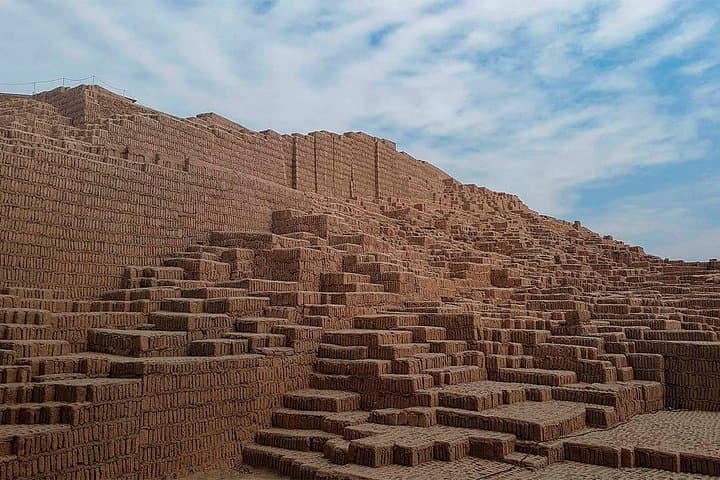
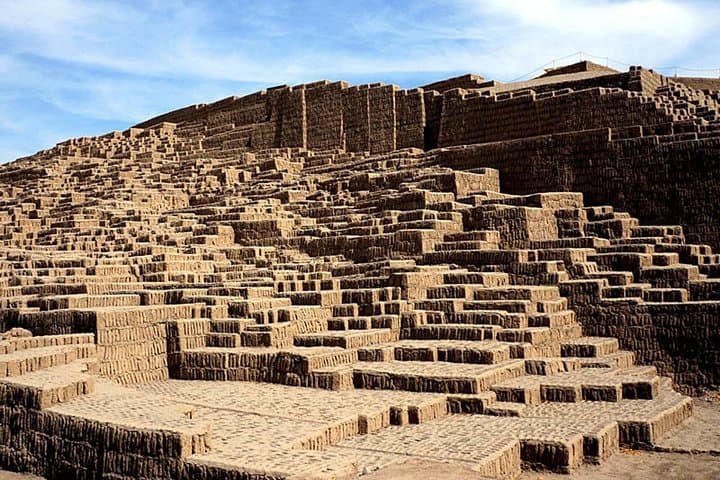
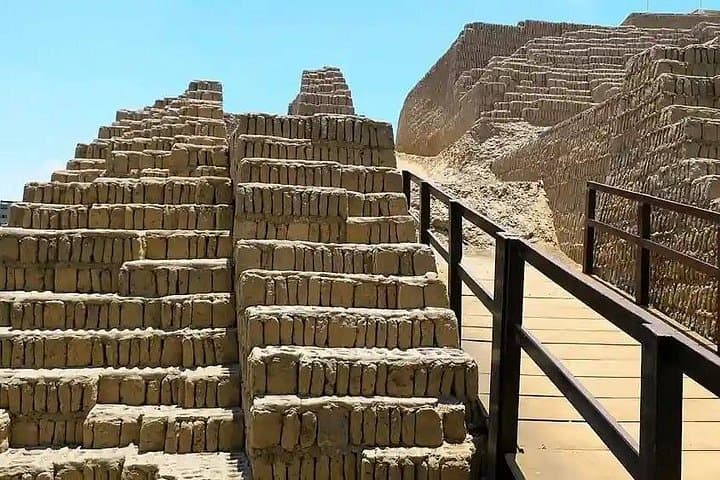

You step through the low adobe walls of Huaca Pucllana as the Pacific slides light over Miraflores’ cliffs—voices of the city mix with the hush of ancient earth. The guided visit moves deliberately across compacted plazas and terraced adobe platforms built by the Lima culture between the 4th and 7th centuries AD. The site’s sun-baked bricks and stone foundations read like a city plan frozen in time.
You step through the low adobe walls of Huaca Pucllana as the Pacific slides light over Miraflores’ cliffs—voices of the city mix with the hush of ancient earth. The guided visit moves deliberately across compacted plazas and terraced adobe platforms built by the Lima culture between the 4th and 7th centuries AD. The site’s sun-baked bricks and stone foundations read like a city plan frozen in time.
Huaca Pucllana was a ceremonial and administrative center; its architecture and burial contexts show a society organized around coastal trade and ritual. Miraflores, born from republican-era growth and seaside promenades, now unfurls with parks, cafés, and seaside cliffs. The walk continues through the neighborhood streets to Parque del Amor, where the famous sculpture El Beso presides over sweeping ocean views. Geologically, you’ll notice the abrupt drop from urban grid to coastal cliffs—sandstone and marine terraces carved by the Pacific’s persistent hand.
Practically: the tour runs about three hours, begins at the Huaca Pucllana entrance and finishes at Parque del Amor. Admission to the archaeological site is not included; guides speak English and Spanish and groups are small (up to 20). Expect mostly flat walking across paved paths—roughly 2–3 km total—so good walking shoes and sun protection matter. Carry local currency for entry and tips, hydrate before the coastal breeze cools you, and leave time afterward to explore Larco Avenue’s shops or a nearby museum. This is a compact, accessible urban archaeological experience that pairs history with sharp Pacific views.